
Key Takeaways:
- Proper planning prevents costly mistakes and keeps your project on time and on budget.
- Clearly defining remodeling goals helps prioritize which spaces and features matter most.
- Setting a realistic budget, including a contingency fund, ensures you can handle unexpected costs.
- Assessing your home’s structure and systems before starting avoids major issues during construction.
- A detailed design plan with materials, layouts, and technology choices streamlines the remodeling process.
- Effective communication with contractors and organized project tracking keeps the remodel running smoothly.
- Balancing style with functionality and maintaining your renovated spaces enhances both comfort and long-term value.
Modern home remodeling is more than just swapping out a few fixtures or repainting walls. It’s about creating spaces that are functional, stylish, and reflective of your personality. Whether you’re looking to update a single room or embark on a full-scale home transformation, planning is essential. Without proper preparation, projects can easily go over budget, take longer than expected, or result in a design that doesn’t meet your needs. This step-by-step guide will help you organize, plan, and execute your modern home remodeling project with confidence.
Why Planning is Crucial for a Remodel
Jumping into a remodel without a plan can lead to costly mistakes. Many homeowners underestimate the time, effort, and resources needed. Planning allows you to:
- Set a realistic budget and timeline
- Identify potential issues before construction begins
- Ensure your design choices are cohesive
- Maximize your home’s value
When you take the time to plan, the remodeling process becomes less stressful and more rewarding. Think of it as laying a solid foundation for your dream space before lifting a single wall.
How Do You Define Your Remodeling Goals?

The first step in any remodeling project is understanding what you want to achieve. Ask yourself:
- Are you remodeling for comfort, style, or resale value?
- Which rooms or areas need the most attention?
- Do you want to make energy-efficient upgrades or embrace smart home technology?
Creating a list of priorities will help you focus on what matters most. For example, a family might prioritize a functional kitchen and open-concept living space, while a couple might focus on luxurious bathroom upgrades or creating a home office. Clearly defined goals will guide your design and budgeting decisions.
How to Set a Realistic Budget
Budgeting is one of the most critical aspects of modern home remodeling. Overspending is a common pitfall, so it’s important to:
- Estimate the cost of materials, labor, and permits
- Include a contingency fund of 10-20% for unexpected expenses
- Compare quotes from multiple contractors
- Decide where you’re willing to splurge and where to save
Tracking your expenses throughout the remodel helps prevent overspending and ensures you can make informed choices about upgrades or design changes. Remember, your budget will shape your design, so it’s better to have a clear financial plan before starting construction.
What Should You Consider About Your Home’s Structure?
Before diving into design ideas, it’s crucial to assess your home’s structure. Ignoring structural limitations can lead to serious problems down the line. Consider these questions:
- Are your walls load-bearing?
- Is your foundation solid and free of cracks?
- Do your electrical and plumbing systems need updates?
- Is your HVAC system adequate for the spaces you plan to remodel?
Getting a professional assessment can save you from costly surprises later. This is also the perfect time to schedule roof inspections, plumbing checks, or electrical updates. Addressing these issues early ensures your remodel starts on a strong and safe foundation.
How to Create a Design Plan
A design plan serves as a blueprint for your remodel. It helps visualize the finished space and makes communication with contractors easier. Steps to create a design plan include:
- Gather Inspiration: Look at magazines, online platforms, and showrooms to see styles and layouts you like.
- Sketch Layouts: Even rough sketches can help you experiment with furniture placement and room flow.
- Select Materials: Decide on flooring, countertops, cabinetry, and paint colors. Modern remodels often favor clean lines, neutral tones, and mixed textures.
- Incorporate Technology: Consider adding smart lighting, automated shades, or home security upgrades.
A clear design plan ensures everyone involved in your remodel understands your vision and reduces the risk of costly changes during construction.
Should You Hire Professionals or DIY?
Deciding between hiring professionals or tackling parts of the remodel yourself depends on your skill level, budget, and time. Consider:
- Contractors: Essential for structural work, plumbing, electrical, or HVAC. They bring expertise and efficiency.
- Interior Designers: Helpful if you want cohesive aesthetics and professional guidance on color schemes, furniture, and materials.
- DIY Projects: Great for painting, minor cabinetry updates, or simple decorative changes.
A balanced approach often works best: hire professionals for critical tasks and handle smaller updates yourself. Keep in mind, the key is knowing your limits to prevent mistakes that could delay the project or increase costs.
What Permits Will You Need?
Many remodeling projects require permits, especially for structural changes, electrical work, plumbing, or additions. Failing to obtain permits can result in fines and issues when selling your home. To avoid problems:
- Contact your local building department to understand requirements
- Ensure contractors pull permits if necessary
- Keep documentation for future reference
This step may seem bureaucratic, but it ensures your remodel meets safety standards and is legally compliant.
How to Plan Your Timeline
A realistic timeline is essential for a smooth remodel. Consider the following:
- Break the project into phases (demolition, construction, finishing touches)
- Set deadlines for each phase
- Account for potential delays, like weather, supply chain issues, or contractor schedules
A well-planned timeline keeps the project organized and helps you manage expectations. Be flexible, but having a clear schedule prevents frustration and keeps momentum going.
How to Choose the Right Materials
Material selection impacts both the look and functionality of your remodel. When choosing materials, think about:
- Durability and maintenance
- Color and texture that match your design plan
- Cost and availability
- Environmental impact
Modern home remodeling often favors materials like engineered wood, quartz countertops, large-format tiles, and energy-efficient windows. Balancing aesthetics with practicality ensures your remodel remains stylish for years to come.
How to Organize Your Living Space During Construction
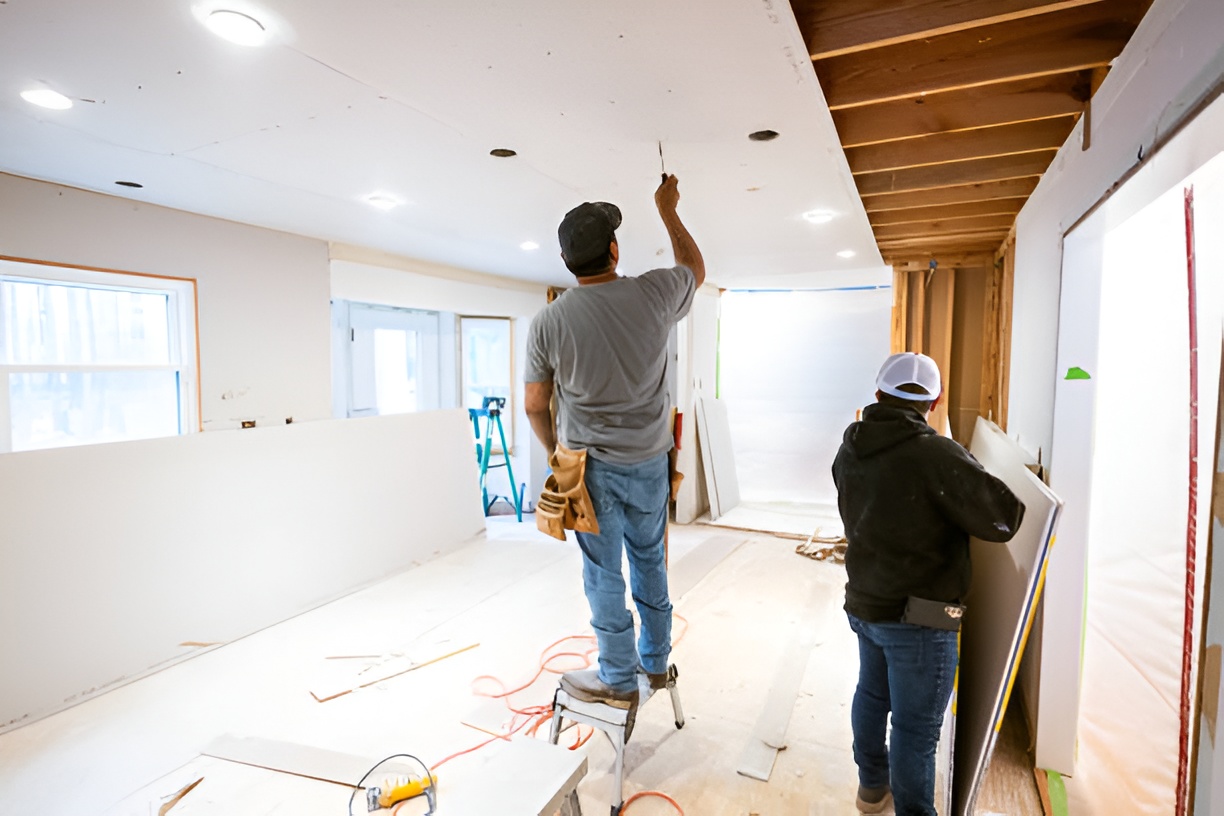
Living in your home during a remodel can be challenging. Consider strategies to minimize disruption:
- Set up temporary kitchens or bathrooms if key spaces are being renovated
- Use dust barriers to protect other areas
- Store valuables and fragile items safely
- Schedule noisy or messy work during the day
Planning how you live during construction makes the experience more manageable and reduces stress for your family.
How Do You Communicate Effectively With Contractors?
Clear communication with your contractors is crucial for a successful remodel. Tips include:
- Keep a written record of all agreements and changes
- Schedule regular check-ins to review progress
- Clarify expectations for quality, timelines, and budget
- Ask questions if something is unclear
Good communication prevents misunderstandings and ensures your project stays on track. Remember, you’re a team with a shared goal: transforming your home.
How to Handle Unexpected Challenges
Even the best plans can encounter surprises. Common issues include:
- Hidden structural damage
- Delays in material delivery
- Changes in design preferences
When problems arise, stay calm and adapt. Having a contingency budget and flexible timeline helps you navigate these challenges without derailing the entire project.
How to Prepare Before You Start a Remodel
Proper preparation is key to a successful home remodeling project. There are several steps to take before starting a home remodel that can save you time, money, and stress down the line:
- Inspect and address any structural or system issues, including plumbing, electrical, and HVAC.
- Gather inspiration and create a clear design plan that aligns with your goals.
- Set your budget and allocate a contingency fund for unexpected expenses.
- Decide on professional help versus DIY for different aspects of the project.
- Obtain permits and approvals if required by your local building department.
- Organize your living space and protect your belongings to minimize disruption.
Completing these steps upfront ensures your remodeling process is organized, efficient, and more enjoyable from start to finish.
How to Integrate Functionality With Style
Modern home remodeling is about balancing aesthetics with practicality. Consider:
- Open layouts for better flow and natural light
- Multipurpose furniture for small spaces
- Ample storage solutions that blend with the design
- Energy-efficient appliances and fixtures
This approach ensures your home is not only beautiful but also livable, practical, and tailored to your lifestyle.
How to Add Value With Your Remodel
Remodeling is an investment. To maximize value:
- Focus on high-impact areas like kitchens and bathrooms
- Choose neutral, timeless finishes that appeal to buyers
- Incorporate energy-saving upgrades
- Improve curb appeal with landscaping or exterior updates
A well-planned remodel not only enhances your daily life but also increases the resale value of your home.
How to Track Progress and Stay Organized
Keeping track of your project helps prevent mistakes and missed deadlines. Effective strategies include:
- Using project management apps or spreadsheets
- Maintaining a photo log of progress
- Keeping all invoices and receipts in one place
- Scheduling regular walkthroughs with your contractor
Organization ensures you remain in control and can quickly address any issues that arise.
How Long Should a Modern Remodel Take?
The duration depends on the scope of your project. Small updates may take a few weeks, while major renovations can last several months. Consider:
- Size of the project
- Availability of contractors and materials
- Complexity of structural changes
- Contingency for unexpected issues
Setting realistic expectations helps reduce stress and keeps your remodeling experience positive.
How to Celebrate and Maintain Your Renovated Space
Once your remodel is complete, it’s time to enjoy your new home. To maintain it:
- Schedule regular maintenance checks
- Keep up with essential home upkeep services like HVAC, plumbing, and roof inspections
- Clean and care for new materials to prolong their lifespan
- Periodically review storage and furniture layouts to ensure functionality
A remodeled home is a long-term investment. Regular care ensures it stays beautiful and efficient for years to come.
Final Thoughts
Planning a modern home remodeling project doesn’t have to be overwhelming. By defining your goals, budgeting carefully, assessing your home, and organizing the process step by step, you can achieve a space that is functional, stylish, and tailored to your lifestyle. Taking the time to plan and communicate with professionals—and knowing when to DIY—makes all the difference in achieving your dream home without unnecessary stress or expense.