Category: Career & Biz

Career & Biz

3 Things You Should Check Before Calling a Towing Service

Car troubles can be both stressful and unexpected. Whether it’s a flat tire or a dead battery, the thought of needing a towing service might arise. However, before picking up the phone and calling for assistance, there are essential checks and considerations to ensure you make the best decision.


Video Source

These proactive measures could save you time, money, and unnecessary stress. By following the advice in this article, you’ll be adequately prepared to assess your situation and decide whether a towing service is truly necessary. Let’s explore the five crucial aspects you should evaluate before opting for a tow.

1. Assess the Safety of Your Location

Your safety should be your top priority when encountering car issues. Assessing your environment is crucial, particularly if you’re on a busy highway or in a secluded area. Evaluate whether it’s safe to remain in your vehicle or if you should seek a safer spot while waiting for assistance. If your car is in a dangerous location, a towing service might be necessary sooner rather than later. Situational awareness will help you make this critical decision, considering factors like traffic speed, visibility, and proximity to a safe waiting area.

Besides your immediate safety, think about the duration you’ll be stranded at the location. If you believe assistance might take a while due to your remote location, weighing the cost of possible delays against safety concerns is vital. Long waits can be hazardous due to changing weather conditions or potential road hazards. In such cases, arranging for a towing service immediately could prevent further complications. It’s also worthwhile to inform a close contact of your whereabouts for added security and assurance.

Tow trucks equipped with GPS systems can often reach you faster, and they’re generally more adept at navigating to challenging locations. This is particularly vital if car troubles have left you in a hidden or hard-to-describe location. By accurately assessing the safety of your location and its accessibility to towing services, you’ll make a practical decision that weighs both cost and safety. Your responsiveness in assessing these parameters can greatly affect the outcome of your predicament.

2. Diagnose the Problem

Before contacting a towing service, take a moment to diagnose the problem if possible. Sometimes, what seems like a significant issue could have a simple solution. For instance, common problems like a dead battery can be temporarily resolved with jumper cables, provided another vehicle offers assistance. Likewise, a flat tire may be remedied if you have a spare tire and the tools to change it. Taking the time to identify these issues can save you the towing service fee and the wait time involved in getting towed.

If diagnosing the issue on your own isn’t yielding results, consider consulting online resources or your vehicle’s manual. Many straightforward problems have known fixes that are both time-efficient and cost-effective. Understanding a car issue—even on a superficial level—empowers you to make more informed decisions. If you understand what’s wrong, you can relay accurate information to the towing service, expediting their response time. It also helps clarify if on-the-spot repairs are viable, hence minimizing downtime.

Pinpointing the problem for towing service professionals can also reflect in the charges and services rendered. Emergency fixes might be more economical when accurate information is conveyed. Miscommunications can lead to unnecessary repairs or towing, driving up costs. A clear diagnosis helps streamline the assistance process by allowing towing providers to come equipped with the precise tools and knowledge necessary. This proactive step simplifies the entire service experience.

3. Check Your Car Insurance Policy

Before dialing a towing service, check whether your car insurance covers towing costs. Some policies include roadside assistance, which can significantly reduce or eliminate out-of-pocket expenses. Understanding your insurance coverage is crucial for making an economically sound decision. If roadside assistance is included, they often have a specific list of approved towing services with negotiated rates. Using these options translates to less financial burden and assures quality service.

Moreover, being aware of your policy details ensures you don’t face unexpected charges. Insurance companies frequently work with accredited partners, guaranteeing dependable services. Knowing your policy coverage means you can bypass the process of randomly choosing a service provider and use a vetted service instead. Researching this information ahead of time could be beneficial, as navigating policy terms in a stressful situation might be overwhelming. It’s a straightforward precaution that can save money and ensure peace of mind.

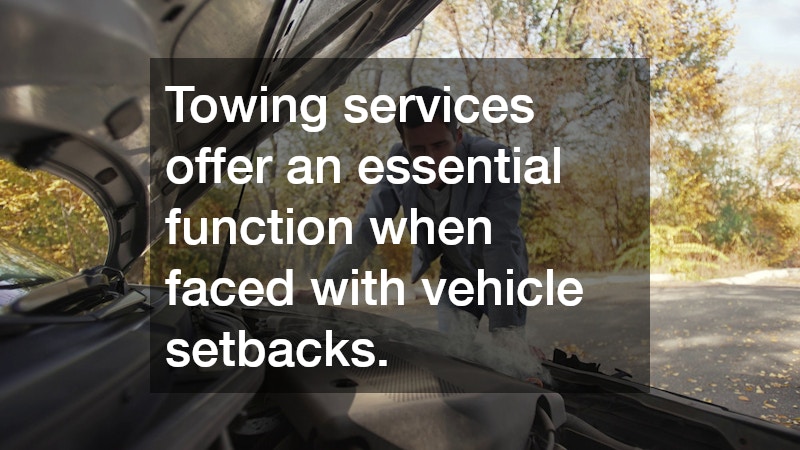
Towing services offer an essential function when faced with vehicle setbacks, but there are ample avenues to consider before seeking their assistance. By evaluating personal safety, problem diagnosis, insurance usage, and potential cost along with alternative solutions, your response to automotive troubles can be methodical and cost-effective. The decision-making process informed by the points checked can save not only finances but also valuable time, lessening the extent of the disruption. Therefore, being proactive and prepared makes all the difference in managing unforeseen automotive challenges. Hopefully, this guide equips you with the knowledge to handle such predicaments effectively.

Towing services offer an essential function when faced with vehicle setbacks.

Career & Biz

Why Multi-Language Classes in Singapore Are Becoming More Popular

In recent years, education trends in Singapore have shifted significantly toward preparing students for a more global and interconnected world. Parents are increasingly seeking learning opportunities that go beyond traditional single-language instruction, aiming to equip their children with communication skills that will serve them in the future. One major trend gaining momentum is multi-language classes in Singapore, which focus on helping students learn and use several languages within a structured educational environment. This approach is becoming more appealing because it aligns with Singapore’s multicultural society and its emphasis on bilingualism and global readiness. As students are exposed to multiple languages from an early age, they develop stronger cognitive abilities, better memory retention, and improved adaptability in learning.


Video Source

These benefits are driving more families and educators to explore multilingual education as a long-term investment in academic and personal development.

Growing Demand for Global Communication Skills

One of the key reasons multilingual education is gaining traction is the increasing importance of global communication skills. In today’s interconnected world, being able to speak and understand more than one language is no longer just an advantage—it is often a necessity. Students who are exposed to multiple languages early in life are better prepared for international opportunities, whether in higher education or future careers.

Singapore, as a global hub for business and education, naturally places strong emphasis on language proficiency. Families recognize that children who can communicate in several languages will have more flexibility in academic pathways and career choices. This has led to a growing interest in programs that expose learners to structured multilingual environments rather than focusing on just one additional language.

Another factor contributing to this demand is cultural awareness. Learning multiple languages helps students better understand different cultures, traditions, and ways of thinking. This fosters empathy and open-mindedness, which are essential skills in diverse societies. As a result, multilingual education is increasingly viewed not just as academic enrichment, but as a way to develop well-rounded individuals who can thrive in global environments.

How Learning Methods Are Evolving in Singapore

Education systems in Singapore have always been known for their adaptability and high standards. In recent years, teaching methods have evolved to include more interactive, immersive, and student-centered approaches. Instead of relying heavily on memorization, educators are focusing on practical application, communication, and real-world usage of languages.

This shift in methodology has made language learning more engaging and effective for students. Activities such as group discussions, storytelling, role-playing, and digital learning tools are now commonly used to reinforce language acquisition. These methods help students retain vocabulary more effectively and build confidence in speaking.

A significant part of this transformation is the integration of technology in classrooms. Digital platforms and language-learning applications allow students to practice outside of traditional lesson times, reinforcing what they learn in class. This continuous exposure helps improve fluency and comprehension at a faster rate.

In addition, smaller class sizes and personalized learning approaches have contributed to better outcomes. Teachers can focus on individual student progress and tailor lessons to meet specific needs. This ensures that learners are not left behind and can progress at a pace that suits their abilities.

Benefits of Early Multilingual Exposure

One of the most powerful advantages of multilingual education is its impact on early childhood development. Children who are exposed to multiple languages at a young age tend to develop stronger cognitive flexibility. This means they can switch between tasks more easily and adapt to new information more quickly.

Early exposure also improves memory and concentration. When children learn different languages simultaneously, their brains are constantly engaged in recognizing patterns, structures, and meanings. This mental exercise strengthens overall cognitive function and supports academic performance in other subjects as well.

In many cases, multi-language classes in Singapore also help children build confidence in communication. As they become more comfortable switching between languages, they are more willing to participate in conversations and express themselves clearly. This confidence extends beyond language learning and positively influences their social interactions and classroom participation.

Another important benefit is problem-solving ability. Multilingual learners often develop stronger analytical skills because they are used to interpreting and translating different linguistic systems. This enhances their ability to think critically and approach challenges from multiple perspectives.

The rise in popularity of multilingual education reflects a broader shift toward preparing students for a global future. Parents and educators increasingly recognize the long-term benefits of exposing children to multiple languages from an early age, including improved cognitive abilities, stronger communication skills, and greater cultural awareness.

As educational approaches continue to evolve, multi-language classes in Singapore are expected to play an even more significant role in shaping how students learn and interact with the world. These programs provide more than just language instruction—they build confidence, adaptability, and global readiness in young learners.

Ultimately, the growing interest in multilingual education highlights a clear understanding: the ability to communicate across languages is becoming one of the most valuable skills in today’s world. By embracing this approach, students are better prepared not only for academic success but also for meaningful participation in an increasingly connected global society.

Another important benefit is problem-solving ability.

Career & Biz

Essential Services Every Commercial Property Manager Needs on Speed Dial

In the high-stakes world of commercial property management, silence is rarely a sign that everything is perfect. Usually, it just means the next crisis hasn’t hit yet. One minute you are reviewing quarterly lease agreements or analyzing CAP rates, and the next you are fielding frantic calls about a flooded server room, a jammed loading dock, or a parking lot that has turned into an ice rink. The sheer variety of issues that can arise in a single day is staggering, and the pressure to resolve them immediately is immense.
For many facility managers, the default mode of operation is reactive. You wait for something to break, and then you scramble to find a vendor who can fix it. However, this “break-fix” mentality is a recipe for disaster. When you are desperate, you lose your leverage. You are forced to pay premium emergency rates, accept whatever scheduling availability you can get, and often settle for subpar workmanship simply because you need a warm body on-site immediately.
The most successful property managers operate differently. They understand that the difference between a minor inconvenience and a major operational catastrophe often comes down to one thing: preparation. They rely on the “Speed Dial Strategy.” This approach involves building strong, vetted relationships with critical service providers before an emergency occurs. It is about having a trusted partner for every aspect of your building’s anatomy, ready to deploy at a moment’s notice.
This guide explores the five critical categories of vendor partnerships you need to vet and secure today. By establishing these connections now, you ensure your building operates smoothly, maintains its value, and remains safe for tenants and visitors alike, regardless of what the day throws at you.
Protecting the Building Envelope: Weatherproofing and Safety

Protecting the Building Envelope: Weatherproofing and Safety

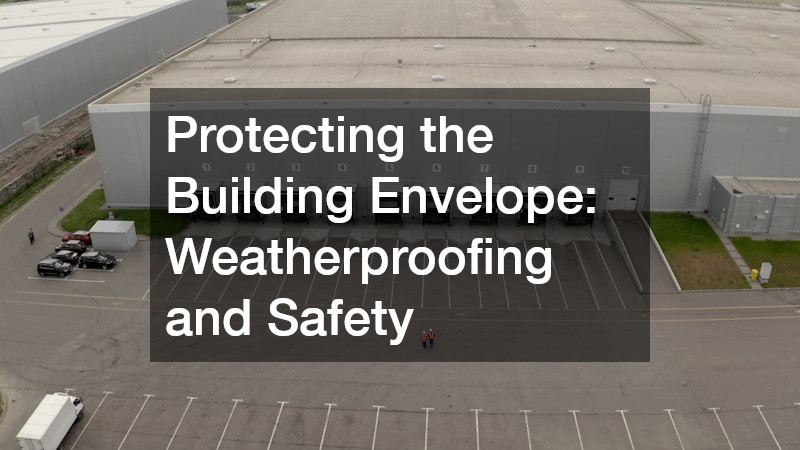
The “envelope” of your building—the roof, walls, and foundation—is the shield that protects your assets from the elements. If the envelope fails, everything inside is at risk. Two of the most critical, yet often overlooked, components of this shield are the roof overhead and the pavement underfoot. Neglecting either can lead to astronomical repair costs and significant liability issues.

Implement a “Top-Down” Preventive Maintenance Schedule

The roof is perhaps the single most expensive capital asset on your property, yet it is often “out of sight, out of mind” until water starts dripping onto a tenant’s desk. Water intrusion is insidious; by the time you see a stain on the ceiling tiles, the insulation above may already be saturated, and the decking could be rotting. This can lead to mold growth, electrical shorts, and structural compromise.
To combat this, you must shift from reactive repairs to a proactive maintenance schedule. This involves semi-annual inspections, ideally in the spring and fall. In the spring, you are checking for damage caused by winter freeze-thaw cycles or heavy snow loads. In the fall, you are clearing drains and gutters of leaves to prepare for winter storms.
A rigorous inspection should look for:
  • Ponding water: Areas where water sits for more than 48 hours, which can degrade membrane materials.
  • Blisters and bubbles: Signs that moisture has trapped itself beneath the membrane.
  • Flashed penetrations: Checking seals around HVAC units, vents, and skylights, which are the most common failure points.
Attempting to patch a commercial roof with general maintenance staff is rarely a good idea. Modern roofing systems—whether TPO, EPDM, or modified bitumen—require specific repair techniques. Using the wrong sealant can chemically degrade the membrane or void the manufacturer’s warranty. This is why having a relationship with a certified commercial roofing partner is essential. They will understand the specific warranty requirements of your system and can provide documentation that proves you have maintained the asset according to manufacturer standards, which is crucial for insurance claims.

Mitigate Trip Hazards and Liabilities in Your Parking Areas

Your parking lot is the first physical interaction a visitor has with your business. It sets the tone for their experience. A lot filled with potholes, faded lines, and crumbling asphalt suggests a lack of attention to detail. More importantly, it represents a massive liability risk. Trip-and-fall lawsuits are among the most common legal claims against property owners, and proving negligence is often as simple as photographing a pothole that was ignored.
Asphalt is a durable material, but it is not invincible. It suffers from oxidation caused by the sun, which makes it brittle, and water penetration, which causes base failure. In colder climates, the freeze-thaw cycle expands cracks, turning minor fissures into gaping holes.
To extend the life of your pavement, adopt a strict preventative care cycle:
  • Immediate Crack Filling: Seal cracks as soon as they appear to stop water from reaching the sub-base.
  • Sealcoating: Apply a protective sealcoat every 2-3 years. This acts as “sunblock” for the asphalt, preventing oxidation and restoring the rich black color that improves curb appeal.
  • Proper Drainage: Ensure catch basins are clear so water flows off the surface quickly.
When the damage goes beyond surface cracks, you need professional intervention. Partnering with professional commercial paving services allows you to address structural issues like “alligatoring” (interconnected cracks resembling reptile skin) or depressions that hold water. Furthermore, these experts ensure your lot remains compliant with the Americans with Disabilities Act (ADA). ADA regulations regarding slope, handicap stall dimensions, and access aisle striping are strict. A general handyman can fill a pothole, but they likely won’t know the precise grading requirements to prevent a lawsuit.
Maximizing Curb Appeal: Attracting and Retaining Tenants

Maximizing Curb Appeal: Attracting and Retaining Tenants

While structural integrity keeps the building standing, curb appeal keeps it leased. In a competitive real estate market, the visual presentation of your property is a direct reflection of your brand and the quality of your management. Tenants want to be proud of where they work, and customers judge a business by its cover.

Keep Your Brand Visibility High and Modern

Signage serves two purposes: wayfinding and marketing. A sign that is flickering, broken, or dirty sends a subconscious signal of neglect. It implies that if the management can’t be bothered to change a lightbulb, they probably won’t be bothered to fix an HVAC issue either. Conversely, crisp, bright, and modern signage projects stability and success.
You should audit your exterior lighting and signage quarterly. Look for:
  • Color uniformity: Ensure all letters are illuminated with the same brightness and color temperature.
  • Structural safety: Check for rust on mounting brackets or loose panels that could fall during high winds.
  • Daytime appearance: Ensure the sign looks clean and readable even when not illuminated.
Many property managers are now retrofitting older neon or fluorescent signs with LED technology. While the upfront cost is higher, the ROI is significant due to energy savings and longevity. However, signage is heavily regulated. Zoning laws dictate size, brightness, and placement. When you need to upgrade or repair your facade branding, rely on a specialist in commercial signs. They can navigate the complex permitting process, ensure wind-load engineering compliance, and handle the dangerous electrical work required for high-rise or pylon signage.

Maintain Pristine Grounds Without the Headache

Landscaping is the “soft” architecture of your property. Well-maintained greenery softens the harsh lines of concrete and steel, creating a welcoming environment. However, neglected grounds—overgrown grass, dead bushes, and weed-choked beds—create an eyesore that attracts pests and lowers property value.
Consistency is the key to effective groundskeeping. You cannot wait until the grass is a foot tall to cut it. You need a scope of work that dictates frequency, such as weekly mowing during peak growing seasons and bi-weekly detailing of flower beds.
For larger properties, some managers debate bringing groundskeeping in-house versus outsourcing it. If you choose the in-house route, you must consider the equipment costs. Purchasing a high-grade commercial lawn mower is a significant investment, but for sprawling corporate campuses, it can pay for itself by eliminating monthly vendor contracts. However, this is only viable if you have staff trained to operate and maintain the machinery safely. For most managers, outsourcing is the safer bet, provided you have a strict contract that outlines performance metrics.
Securing the Perimeter: Access Control and Safety

Securing the Perimeter: Access Control and Safety

Security is a top priority for every tenant. They need to know their employees and assets are safe. Your perimeter security—fences, gates, and locks—is the hardware that enforces your security policies. When this hardware fails, your building is vulnerable.

Fortify Your First Line of Defense

Automated gates and perimeter fencing are often the first checkpoints for security. They control traffic flow and prevent unauthorized vehicle access. A gate that is stuck in the open position renders your security patrols useless. A gate stuck in the closed position can halt shipping and receiving operations, costing your tenants thousands of dollars in delays.
Mechanical failure in gates is usually due to a lack of maintenance on the moving parts. You should seasonally lubricate hinges, chains, and rollers. In colder climates, hydraulic fluids can thicken, causing motors to strain and burn out.
Beyond mechanics, safety is paramount. Heavy rolling gates can crush vehicles or injure pedestrians if safety sensors fail. You must regularly test:
  • Loop Detectors: Sensors in the ground that detect a vehicle and prevent the gate from closing.
  • Photo Eyes: Infrared beams that reverse the gate if the beam is broken.
  • Edge Sensors: Pressure-sensitive strips on the edge of the gate that stop movement upon impact.
Because these systems involve high-voltage electricity, heavy metal, and complex access control integration, they are not DIY projects. You need a relationship with a vendor specializing in commercial fencing and gates. They can provide 24/7 emergency service if a truck backs into your fence or a chain snaps, ensuring your perimeter is never left unsecured overnight.

Manage Tenant Turnover and Access Rights Efficiently

The physical key is a centuries-old technology that is still the backbone of security for many buildings. However, it is also a logistical nightmare. Every time a tenant moves out or an employee is fired and fails to return a key, your building’s security is compromised. If you do not know who has a key, you do not have security.
Conduct an annual “Key Audit.” Review who holds master keys and sub-masters. If the number of unaccounted keys exceeds your risk tolerance, it is time to re-key the facility.
To mitigate this in the future, many modern facilities are moving toward electronic access control systems (fobs or mobile credentials). These allow you to grant and revoke access instantly without changing hardware. However, physical locks will always be part of the equation for interior offices and sensitive areas. Partnering with a professional commercial locksmith service is vital for setting up master key systems that are complex enough to offer different levels of access while remaining manageable. They also ensure that all locking hardware meets fire code requirements, such as single-motion egress, which prevents people from being trapped inside during an emergency.
Operational Infrastructure: Flow and Functionality

Operational Infrastructure: Flow and Functionality

A building is a machine. People flow in and out; water flows through pipes; air moves through ducts. When the flow stops, the building fails. Ensuring the reliability of your doors and plumbing is essential for day-to-day habitability.

Ensure Smooth Entry and Exit for High-Traffic Areas

Doors are the most abused mechanical components in any commercial building. They are kicked, shoved, slammed, and held open thousands of times a week. A front door that doesn’t close completely compromises your HVAC efficiency, letting expensive conditioned air escape. A door that slams shut too hard is a safety hazard for fingers and a liability risk.
Routine checks should focus on the hydraulic door closers. Look for leaking oil, which indicates a blown seal. Adjust the sweep speed and latch speed to ensure the door closes gently but firmly. Additionally, inspect the weather stripping. Worn seals allow moisture to enter, which can rot door frames and damage flooring.
Automatic doors add another layer of complexity. If sensors are misaligned, the door may refuse to open or open phantomly. Because entryways are critical for fire escape routes, you cannot cut corners here. Specialists in commercial door repairs are necessary to ensure that your entrances are not only functional but also compliant with fire codes and ADA accessibility standards. A jammed exit door is not just an inconvenience; it is a code violation that can result in heavy fines or facility closure.

Prevent the Disaster of Water Damage

Plumbing issues in commercial buildings are rarely small. A clogged toilet in a 20-story office building can cause backups on multiple floors. A burst pipe on a weekend can flood an entire level before anyone notices. Water damage is destructive, expensive, and leads to significant downtime.
Preventative plumbing maintenance is about avoiding the clog before it forms.
  • Hydro-jetting: For facilities with commercial kitchens (grease buildup) or high public restroom usage, schedule annual hydro-jetting to scour the interior of sewer lines.
  • Backflow Testing: Most municipalities require annual testing of backflow prevention devices to ensure contaminated water doesn’t reverse into the potable water supply.
  • Leak Detection: Install smart leak detectors in high-risk areas like server rooms, basements, and near water heaters. These devices can send alerts to your phone the moment moisture is detected.
Commercial systems operate at higher pressures and volumes than residential plumbing. You need a commercial plumbing partner who has the heavy-duty equipment required to snake main lines and the expertise to handle industrial boilers and complex pump systems. Relying on a residential plumber for a commercial high-rise issue is a gamble that often leads to prolonged outages.
Crisis Management and Transitions: Being Ready for Anything

Crisis Management and Transitions: Being Ready for Anything

No matter how much preventative maintenance you perform, emergencies will happen. Pipes burst, fires start, and tenants move. How you handle these high-stress transition periods defines your reputation as a manager.

Recover Quickly from Fire, Flood, or Mold

When disaster strikes—be it a flood, a fire, or a sewage backup—speed is the only metric that matters. The longer water sits, the more it wicks into drywall and carpet. The longer smoke residue remains, the harder it is to remove the odor. Every hour your building is offline translates to lost revenue for you and your tenants.
The worst time to look for a remediation company is when you are standing in ankle-deep water. By then, local companies may be booked up, especially if the damage is due to a regional storm. You need a “Master Service Agreement” (MSA) in place with a disaster recovery firm. This pre-negotiated contract ensures you are at the top of their priority list and that pricing is agreed upon beforehand, preventing price gouging during a crisis.
It is important to understand that standard janitorial staff are not equipped for this work. Effective recovery requires commercial restoration services. These professionals have industrial-grade dehumidifiers, air scrubbers, and thermal imaging cameras to find hidden moisture. They also possess the necessary certifications to handle hazardous materials like mold or asbestos, ensuring the building is biologically safe for re-occupancy.

Streamline Corporate Relocations and Internal Moves

Commercial property management also involves managing the ebb and flow of tenants. Whether you are welcoming a new company or helping an existing tenant expand to a different floor, the physical move is a logistical hurdle. It involves moving heavy furniture, sensitive IT equipment, and confidential files, often within a tight timeframe to minimize business downtime.
To facilitate smooth transitions, create a “Move Matrix” for your tenants. This document helps categorize items by fragility, department, and destination. Planning the IT infrastructure move is critical; servers and phone systems should be addressed weeks before the furniture moves.
While tenants often hire their own movers, having a preferred partner for commercial moving services is a value-add you can offer. These movers differ from residential movers; they are trained to break down and reassemble cubicles, move heavy filing cabinets without cracking tile floors, and use library carts to keep files in order. They also understand the importance of certificate of insurance (COI) requirements and after-hours scheduling to prevent disruption to other tenants in the building.

Conclusion

The role of a commercial property manager is one of constant vigilance. You are the conductor of a complex orchestra, ensuring that every section—from the roof to the plumbing—plays its part in harmony. When you are successful, your work goes largely unnoticed. Tenants simply enjoy a clean, safe, and functioning workspace.
However, that silence is hard-earned. It is the result of foresight, planning, and the strategic assembly of a team of experts. The “Speed Dial” list discussed here is more than just a phone book; it is your ultimate risk management tool. It turns potential disasters into manageable inconveniences and transforms chaotic reactions into calculated responses.
If you do not currently have a trusted partner for every category listed above, make it your mission to fill those gaps this week. Vet the vendors, check their references, and save their numbers. Building these relationships today is the best investment you can make for the security and success of your property tomorrow.

Career & Biz

Common Legal Problems People Face—and How the Right Lawyer Solves Them

Legal problems rarely announce themselves in advance. They tend to surface during moments of stress—after an accident, during a family conflict, when finances tighten, or when an unexpected allegation arises. Many people delay seeking help because they are unsure whether their issue is “serious enough” or because they do not know which type of legal professional handles their situation.

The reality is that legal issues often become more complicated—and more expensive—the longer they go unaddressed. Choosing the right lawyer early can reduce risk, preserve options, and prevent one problem from triggering several others. The sections below explore common legal challenges people face and explain how the right type of legal support helps resolve them effectively.

Addressing Immigration and Career Training Challenges Before They Escalate

h-3 visa lawyer

International training programs, internships, and specialized skill-development opportunities can provide valuable professional experience and open doors for career advancement, but they are often accompanied by complex immigration requirements that many participants overlook. Misunderstandings about the scope of the program, the permissible work, or compliance deadlines can lead to inadvertent violations that jeopardize current training and future visa opportunities. Many individuals assume the sponsoring organization or employer is responsible for managing compliance, but this is not always the case, and relying solely on an employer’s guidance can have serious consequences.

An h-3 visa lawyer provides essential guidance in navigating these complexities. They help participants understand the specific requirements of the visa, ensuring that the program truly qualifies as a training opportunity rather than productive employment. Some of the most common challenges they address include:

  • Misunderstanding the difference between training and productive employment: The h-3 visa is designed for structured training and skill development. Taking on tasks that contribute directly to a company’s productivity can violate visa conditions and result in status revocation. A lawyer can clarify permissible duties and structure the program to comply with regulations.

  • Accepting duties that fall outside approved program parameters: Even small deviations, such as performing unrelated work or exceeding the scope of training, can trigger legal issues. Legal review ensures that daily responsibilities, project assignments, and reporting structures align with immigration standards.

  • Staying beyond authorized time limits: Exceeding the visa’s authorized duration can create immediate legal risks, including the potential for future visa denials or bars to reentry. Lawyers provide guidance on timelines, extensions, and options for status adjustments to prevent unintentional overstays.

  • Failing to maintain proper documentation: Accurate records of training plans, evaluations, and employer certifications are critical for demonstrating compliance. An h-3 visa lawyer advises participants on what documentation to keep, how to organize it, and when it should be submitted to immigration authorities.

Legal guidance is particularly important before formally accepting a training offer. A lawyer can review the proposed training program to confirm eligibility, ensure the role complies with immigration rules, and advise on reporting requirements if the program changes. They also help participants anticipate potential issues, such as interruptions in the program, transitions to employment, or the need to adjust status after completion.

Proactive planning protects both current and future opportunities. Mistakes during a training program—whether due to misinterpreting permitted duties, failing to document activities, or exceeding time limits—can have lasting consequences, including visa denials, limited eligibility for future programs, or complications when applying for permanent residency or other visas. By securing expert legal advice from the outset, participants can focus on professional growth with confidence, knowing their training experience aligns fully with immigration requirements and preserves long-term career mobility.

Protecting Your Rights After an Accident or Physical Injury

Accidents can create ripple effects that extend far beyond immediate injuries. Physical harm often comes with emotional stress, disrupted routines, and financial burdens that may last for months or even years. Medical expenses accumulate quickly, and the inability to work can affect income stability, mortgage or rent payments, and long-term financial planning. Compounding these challenges, insurance companies frequently act quickly to minimize payouts, sometimes pressuring claimants into providing statements or signing agreements that undervalue the true cost of the injury. Without careful attention and guidance, individuals risk accepting settlements that fail to cover ongoing treatment, lost wages, or permanent limitations.

An injury lawyer serves as a critical advocate for injured individuals, helping to ensure that claims are accurate, comprehensive, and fairly evaluated. Their work typically begins with a detailed investigation into the accident, identifying exactly how it occurred and who bears legal responsibility. This may involve reviewing accident reports, interviewing witnesses, consulting experts on safety protocols, and gathering evidence that establishes fault. Injury lawyers also carefully review medical records and treatment plans to verify that the full extent of the injury is documented and understood. Beyond immediate costs, they assess long-term losses such as ongoing therapy, future surgeries, diminished earning capacity, and lifestyle limitations that result from the injury.

Early involvement of an injury lawyer is crucial because it prevents common errors that can undermine a claim. Many individuals unknowingly make mistakes by giving recorded statements too early, which can be misinterpreted or used to dispute the severity of the injury. Accepting early settlement offers without legal review is another frequent pitfall, as insurers often calculate payments based only on initial medical costs rather than long-term needs. A lawyer ensures that all aspects of the injury—including physical limitations, chronic pain, emotional distress, and disruptions to daily life—are documented and factored into compensation negotiations.

To strengthen a claim, individuals should take several practical steps immediately following an accident:

  • Seek prompt medical treatment: Immediate attention not only safeguards health but also creates a documented timeline linking the injury to the incident.

  • Follow prescribed care plans: Adherence to treatment recommendations demonstrates seriousness and helps prevent disputes over recovery efforts.

  • Keep detailed records of expenses and lost income: Maintaining receipts, invoices, and employment documentation provides clear evidence of financial impact.

  • Avoid informal agreements with insurers: Verbal agreements or signed documents without legal review may limit options or reduce potential compensation.

Legal support ensures that settlements reflect the actual impact of the injury, taking into account both visible and less obvious consequences. By partnering with an injury lawyer, individuals can navigate complex claims processes with confidence, protecting their rights and securing resources necessary for full recovery and long-term stability.

Responding Effectively to Criminal Charges and Legal Investigations

Criminal allegations can arise suddenly and carry consequences far beyond the courtroom. Even charges that seem minor can affect employment, housing eligibility, and professional licensing.

A criminal defense attorney helps clients understand the seriousness of the charges and the potential outcomes. This includes evaluating whether allegations are misdemeanors or felonies, what penalties apply, and how a conviction could affect future opportunities. Early representation allows a lawyer to assess evidence, identify procedural errors, and protect constitutional rights during questioning and investigation.

A criminal defense lawyer also develops a strategy tailored to the individual case. Depending on circumstances, this may involve:

  • Seeking dismissal based on insufficient evidence

  • Negotiating reduced charges or penalties

  • Exploring diversion or rehabilitation programs

  • Preparing for trial when necessary

Practical steps when facing criminal allegations include:

  • Avoiding discussion of the case with anyone except counsel

  • Complying with all court orders and deadlines

  • Preserving texts, emails, or other relevant records

Prompt legal guidance can significantly alter the trajectory of a case and reduce long-term damage.

Managing DUI Charges and Their Long-Term Consequences

dui attorney

Impaired driving cases involve both criminal charges and administrative penalties, creating a dual-track legal challenge that many people do not anticipate. Missing a single deadline can trigger automatic consequences, regardless of the criminal case outcome.

A dui attorney focuses on the technical and procedural aspects of these cases. Their work often includes reviewing the legality of traffic stops, examining how sobriety tests were conducted, and challenging chemical testing methods. They also address administrative matters such as license suspension, ignition interlock requirements, and reinstatement procedures.

Beyond court penalties, DUI charges can affect:

  • Employment, especially for drivers or licensed professionals

  • Insurance rates and coverage availability

  • Background checks for housing or education

Taking immediate action after an arrest is critical. Requesting hearings on time, understanding testing rights, and avoiding self-incriminating statements can preserve important defenses. Legal guidance helps individuals navigate a complex system where small procedural missteps carry lasting consequences.

Resolving Family Disputes and Protecting Personal Relationships

Family-related legal disputes are often emotionally charged and deeply personal. Divorce, custody disagreements, and support issues can quickly escalate when communication breaks down or expectations differ.

Family lawyers help clients navigate these situations with a focus on both legal rights and long-term stability. Their role may include:

  • Explaining custody and support standards

  • Facilitating negotiation and mediation

  • Drafting enforceable agreements

  • Representing clients in court when disputes cannot be resolved

Early legal guidance can reduce conflict by setting realistic expectations and establishing clear boundaries. Family lawyers also help clients prepare documentation related to finances, parenting arrangements, and living situations, which strengthens their position and reduces uncertainty.

When children are involved, legal strategy often prioritizes consistency, safety, and long-term well-being. Having informed representation helps families move through difficult transitions with less disruption and clearer outcomes.

Preventing and Addressing Abuse or Exploitation of Older Adults

Abuse and exploitation of older adults often go unnoticed, particularly when it involves trusted caregivers or family members. Financial manipulation, neglect, and emotional harm can escalate quickly if left unaddressed.

Elder abuse lawyers assist families and individuals by identifying warning signs and taking legal action to protect vulnerable adults. Their work may involve:

  • Investigating financial irregularities

  • Seeking protective orders

  • Recovering misappropriated assets

  • Coordinating with medical and social services

Common red flags include sudden changes in finances, unexplained injuries, isolation from family, or pressure to alter legal documents. Legal intervention can stop ongoing harm and establish safeguards that prevent future exploitation.

Acting promptly is essential. The longer abuse continues, the harder it can be to reverse its effects or recover losses. Legal guidance provides both accountability and protection during a sensitive and urgent situation.

Standing Up to Housing Violations and Unsafe Living Conditions

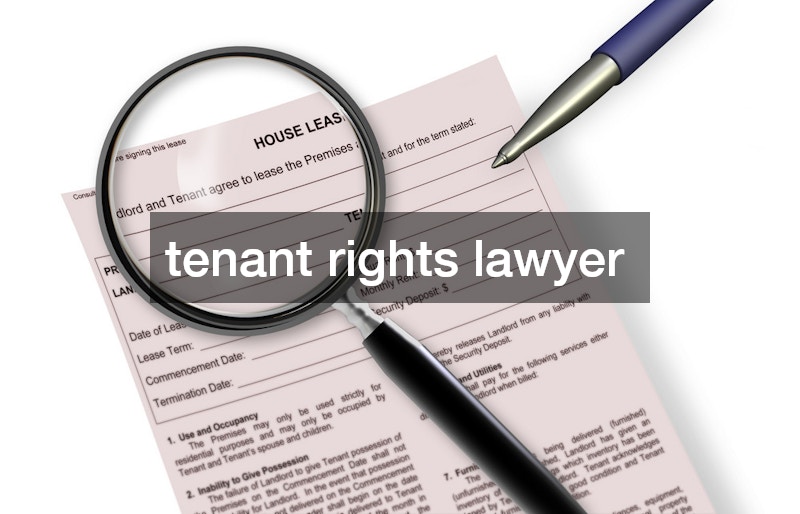
tenant rights lawyer

Housing issues affect health, safety, and financial stability. Many renters endure unsafe or uninhabitable conditions because they fear retaliation or eviction if they complain.

A tenant rights lawyer helps renters understand and enforce their legal protections. Common issues include:

  • Failure to address mold, leaks, or structural hazards

  • Lack of heat, water, or essential utilities

  • Unlawful eviction attempts

  • Retaliation after requesting repairs

Legal guidance ensures that complaints are properly documented and that tenants follow procedures that protect them from adverse action. A tenant rights lawyer can also pursue remedies such as rent abatement, repair orders, or damages when landlords fail to comply with the law.

Knowing when to seek legal help empowers tenants to assert their rights without jeopardizing their housing stability.

Navigating Business Disputes and Contractual Risks

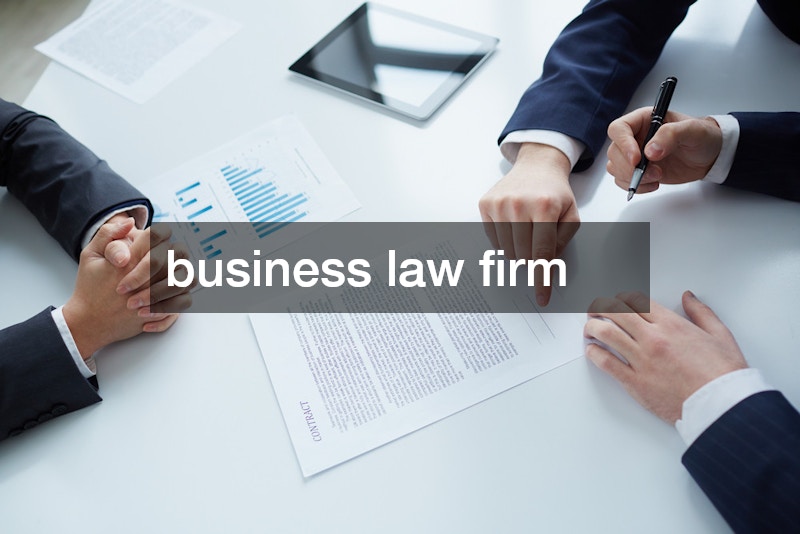
business law firm

Business owners often face legal challenges that stem from informal agreements, unclear contracts, or rapid growth without proper safeguards. These issues can escalate quickly, affecting operations and profitability.

A business law firm helps address risks by:

  • Drafting and reviewing contracts

  • Advising on compliance requirements

  • Resolving partnership or vendor disputes

  • Protecting intellectual property

Proactive legal review prevents misunderstandings that lead to litigation. When disputes do arise, having established legal counsel allows for faster, more strategic responses that protect both financial interests and reputation.

Small businesses in particular benefit from early legal planning, as limited resources make prolonged disputes especially damaging.

Managing Estates, Inheritance, and Legal Responsibilities After a Death

The death of a loved one often brings legal responsibilities that many families feel unprepared to handle. Estate administration involves strict procedures and deadlines that vary depending on assets and documentation.

A probate lawyer guides executors and beneficiaries through the legal process, helping them:

  • Validate wills and estate documents

  • Identify and value assets

  • Resolve debts and taxes

  • Distribute property according to the law

Legal guidance reduces the risk of disputes, personal liability, and costly delays. Probate lawyers also help families understand when formal court involvement is required and when alternative approaches may be available.

Handling an estate properly protects both family relationships and the wishes of the person who passed away.

Recognizing When Legal Issues Overlap and Require Multiple Professionals

Many legal problems do not exist in isolation. A single event—such as an accident, arrest, or family dispute—can trigger additional legal concerns involving finances, housing, or employment.

Examples of overlapping issues include:

  • Injuries that lead to income loss and housing instability

  • Criminal charges affecting professional licensing

  • Family disputes involving shared property or business interests

In these situations, coordination matters. Keeping organized records, sharing relevant information between professionals, and understanding each lawyer’s role helps prevent conflicting advice and overlooked risks. Strategic legal coordination ensures that solutions in one area do not create problems in another.

Legal challenges are a part of life, but they do not have to define it. The most effective solutions begin with recognizing when a problem requires professional guidance and choosing someone with the right focus and experience.

Acting early, staying informed, and seeking appropriate legal support can reduce stress, protect opportunities, and lead to more favorable outcomes. With the right help at the right time, even complex legal problems become manageable steps forward rather than lasting setbacks.

Career & Biz

How Commercial Kitchen Equipment Can Boost Restaurant Efficiency and Profitability

Running a successful restaurant requires more than just great food and service. Behind the scenes, efficient operations and smart investments play a critical role in profitability and long-term sustainability. One key factor that can significantly impact a restaurant’s performance is the quality and functionality of its kitchen tools. Commercial kitchen equipment is designed to meet the demands of busy foodservice environments, and when chosen thoughtfully, it can improve workflow, reduce costs, and ultimately boost the bottom line.

Enhancing Operational Efficiency

Efficiency in the kitchen translates directly into faster service and better customer experiences. Commercial kitchen equipment is specifically engineered to handle large volumes, withstand heavy use, and operate consistently throughout busy service hours. This reliability reduces downtime caused by equipment failure, allowing restaurants to meet customer demand without disruption.


Video Source

High-performance appliances like convection ovens, commercial fryers, and industrial mixers help speed up food preparation and cooking processes. For example, convection ovens circulate hot air evenly, reducing cooking times and ensuring consistent results, while commercial fryers can handle multiple batches simultaneously, making popular fried dishes more efficient.

Moreover, modern commercial kitchen equipment often incorporates programmable features and automation. These technologies minimize human error by allowing chefs to set precise cooking times and temperatures. The result is a streamlined workflow where kitchen staff can focus on plating and quality control rather than constant monitoring, enhancing overall productivity.

Supporting Staff Productivity and Safety

A well-equipped kitchen empowers staff to perform their tasks effectively and safely. Commercial kitchen equipment designed with ergonomics and user-friendly interfaces reduces physical strain and fatigue, which can improve morale and reduce absenteeism. For instance, lightweight utensils, adjustable workstations, and easy-to-clean surfaces make day-to-day tasks less cumbersome.

In addition to comfort, safety features integrated into commercial kitchen equipment help prevent accidents. Automated shut-off valves, cool-touch handles, and splash guards protect employees from burns, cuts, and other hazards. Training staff on the proper use of these tools further decreases workplace injuries and helps maintain a positive work environment.

By investing in reliable and efficient equipment, restaurants also reduce the chances of workflow bottlenecks caused by equipment malfunction or inadequate capacity. When employees have the right tools, they can maintain steady production rates, which leads to quicker order fulfillment and higher customer satisfaction.

Improving Food Quality and Consistency

Consistency in food quality is vital for building customer loyalty and maintaining a strong brand reputation. Commercial kitchen equipment plays a crucial role in achieving this by providing precise control over cooking conditions and standardizing preparation methods.

For example, temperature-controlled ovens and grills ensure that dishes are cooked evenly and thoroughly every time. Consistent cooking helps preserve the intended flavors, textures, and appearance of menu items, making dining experiences predictable and enjoyable for patrons.

Additionally, equipment such as food processors and slicers allows chefs to prepare ingredients uniformly, which contributes to balanced flavors and professional presentation. Automated timers and programmable settings reduce the risk of overcooking or undercooking, maintaining the integrity of each dish.

Reducing Operational Costs and Waste

Though commercial kitchen equipment often requires a significant upfront investment, it can generate substantial cost savings over time. Energy-efficient models lower utility bills by using less electricity, gas, or water without compromising performance. Many manufacturers offer Energy Star-rated appliances designed to minimize environmental impact and operating expenses.

In addition to energy savings, commercial kitchen equipment reduces food waste by optimizing portion control and cooking accuracy. Precision scales, portion dispensers, and programmable cooking functions ensure ingredients are used efficiently and meals are prepared correctly, limiting overproduction and spoilage.

Preventive maintenance features and durable construction extend equipment lifespan, decreasing repair costs and the frequency of replacements. Reliable appliances minimize downtime that can lead to lost sales and increased labor expenses.

Adapting to Changing Trends and Demands

The foodservice industry is dynamic, with evolving customer preferences and technological advancements shaping how restaurants operate. Commercial kitchen equipment that offers flexibility and adaptability helps businesses stay competitive and meet changing market demands.

For instance, multifunctional appliances allow kitchens to prepare a variety of dishes without the need for multiple specialized tools. This adaptability supports menu innovation, enabling restaurants to respond quickly to dietary trends like plant-based options or international cuisines.

Smart kitchen equipment that integrates with digital ordering systems, inventory management, and real-time analytics enhances operational control and decision-making. These technologies improve efficiency, reduce errors, and provide insights that drive profitability.

Restaurants that embrace innovative commercial kitchen equipment position themselves to capitalize on emerging opportunities and maintain relevance in a fast-paced industry.

Investing in the right commercial kitchen equipment is essential for boosting restaurant efficiency and profitability. From enhancing operational workflows and supporting staff productivity to ensuring consistent food quality and reducing costs, these tools play a pivotal role in a successful foodservice operation. By choosing equipment that aligns with their unique needs and staying attuned to industry innovations, restaurant owners can create a competitive edge that leads to sustained growth and customer satisfaction.

Smart investment in commercial kitchen equipment not only improves daily operations but also lays the foundation for a thriving and profitable restaurant business.

Investing in the right commercial kitchen equipment is essential

Career & Biz

Finding The Right Legal Services for Your Situation

Legal services are essential in various aspects of life, from handling car accidents to navigating complex business laws. In this article, we will explore the different types of legal services available to individuals and businesses, such as car accident attorneys, slip and fall lawyers, and more. Understanding these services is crucial for protecting one’s rights and seeking justice in legal matters. Finding the right legal services for your situation begins with understanding the specific type of issue you’re facing. Every legal matter—whether it involves personal injury, family concerns, financial struggles, or criminal charges—requires a lawyer with focused experience in that area. Start by identifying your primary need and researching professionals who specialize in that field. Look for attorneys with strong reputations, clear communication styles, and a track record of success in cases similar to yours. Consultations are especially valuable, as they allow you to ask questions, understand potential outcomes, and determine whether the attorney is a good fit. With the right legal guidance, you can navigate challenges more confidently and protect your best interests.

Choose Car Counsel

car accident attorney

A car accident attorney specializes in helping individuals who have been injured in auto accidents. They provide expert legal guidance to clients, helping them navigate insurance claims and seek compensation for their injuries. These attorneys work diligently to ensure their clients receive the justice they deserve.

With a car accident attorney by your side, you can rest assured that your rights will be protected throughout the legal process. These professionals have the experience and knowledge necessary to represent you effectively in negotiations and court proceedings. By hiring a car accident attorney, you are taking the first step towards securing the compensation you are entitled to.

If you have been involved in a car accident, don’t hesitate to seek the assistance of a car accident attorney. They will guide you through the complexities of the legal system and work tirelessly to achieve a favorable outcome for your case.

Hire Slip-Fall Aid

A slip and fall lawyer specializes in representing individuals who have been injured in slip and fall accidents. These attorneys are well-versed in premises liability laws and can help you hold property owners accountable for your injuries. Whether you slipped in a store or fell on a poorly maintained sidewalk, a slip and fall lawyer can help you seek compensation for your damages.

When you hire a slip and fall lawyer, you are enlisting the expertise of a legal professional who knows how to navigate the complexities of slip and fall cases. They will investigate the circumstances of your accident, gather evidence to support your claim, and negotiate with insurance companies on your behalf. With a slip and fall lawyer on your side, you can focus on recovering from your injuries while they handle the legal aspects of your case.

Don’t underestimate the importance of hiring a slip and fall lawyer if you have been injured in a slip and fall accident. These attorneys have the skills and experience needed to pursue the compensation you deserve for your injuries and losses.

Fight Traffic Fines

A traffic violation lawyer specializes in representing individuals who have been charged with traffic offenses. Whether you are facing a speeding ticket, DUI charge, or reckless driving accusation, a traffic violation lawyer can help you navigate the legal system and protect your rights. These attorneys have the knowledge and experience to advocate for you in court and seek a favorable resolution to your case.

When you hire a traffic violation lawyer, you are taking proactive steps to defend yourself against the consequences of traffic violations. These attorneys understand the nuances of traffic laws and can identify potential defenses to help mitigate the impact of the charges against you. By working with a traffic violation lawyer, you increase your chances of achieving a positive outcome in your case.

If you are facing traffic violations, do not hesitate to contact a traffic violation lawyer for assistance. They will guide you through the legal process, protect your rights, and work towards minimizing the consequences of the charges against you.

Seek SSDI Support

ssdi lawyers

SSDI lawyers specialize in assisting individuals seeking Social Security Disability Insurance benefits. These attorneys help clients navigate the complex SSDI application process, gather the necessary medical evidence, and represent them in appeals if their initial claim is denied. SSDI lawyers provide crucial support to individuals with disabilities who are unable to work and rely on SSDI benefits for financial assistance.

By hiring an SSDI lawyer, you are increasing your chances of a successful SSDI application or appeal. These attorneys have a deep understanding of the SSDI system and can ensure that your case is presented in the best possible light. They will advocate for your rights and work tirelessly to secure the benefits you are entitled to.

If you are considering applying for SSDI benefits or have been denied benefits, it is in your best interest to consult with an experienced SSDI lawyer. They will guide you through the process, handle the complex paperwork, and represent you in any hearings or appeals that may be necessary.

Call Criminal Pros

Criminal attorneys specialize in defending individuals who have been accused of criminal offenses. These legal professionals have expertise in criminal law and can provide aggressive representation to clients facing charges ranging from misdemeanors to felonies. Criminal attorneys work diligently to protect their clients’ rights, ensure a fair trial, and seek the best possible outcome in their cases.

When you hire a criminal attorney, you are enlisting the services of a skilled advocate who will fight for your innocence and rights. These attorneys have the knowledge and experience to challenge the prosecution’s evidence, negotiate plea deals when appropriate, and represent you in court proceedings. By working with a criminal attorney, you are taking steps to protect your future and defend yourself against criminal charges.

If you are facing criminal charges, do not hesitate to seek legal representation from a qualified criminal attorney. These professionals will work tirelessly to defend your rights, ensure a fair trial, and pursue the best possible outcome for your case.

Use Business Help

Business law encompasses a wide range of legal matters that pertain to businesses, including contracts, intellectual property, employment law, and more. Business lawyers specialize in providing legal guidance to companies of all sizes, ensuring compliance with regulations, and resolving disputes that may arise. Whether you are starting a new business or facing legal issues with an existing one, a business lawyer can help you navigate the complex landscape of business law.

By working with a business lawyer, you can protect your business interests and make informed decisions that comply with the law. These attorneys can draft contracts, negotiate agreements, and provide guidance on compliance issues to help your business operate smoothly. With a business lawyer on your side, you can focus on the growth and success of your business while they handle the legal aspects of running a company.

If you are a business owner or entrepreneur, consider consulting with a business lawyer to ensure that your business is in compliance with the law and your interests are protected. These legal professionals are invaluable resources for navigating the complexities of business law and securing the longevity of your enterprise.

Get Workers Comp

workers comp attorneys

Workers comp attorneys specialize in representing employees who have been injured on the job and are seeking workers’ compensation benefits. These attorneys understand the nuances of workers’ compensation laws and can help injured workers navigate the claims process, gather evidence to support their cases, and appeal denials of benefits. Workers’ comp attorneys provide vital support to individuals who have been injured in the workplace and are unable to work.

By hiring a workers’ comp attorney, you are taking proactive steps to protect your rights and secure the benefits you are entitled to under workers’ compensation laws. These attorneys will advocate for you in negotiations with insurance companies, hearings before administrative law judges, and appeals if your claim is denied. With a workers’ comp attorney on your side, you can focus on your recovery while they handle the legal aspects of your case.

If you have been injured at work and are seeking workers’ compensation benefits, do not hesitate to seek the assistance of a workers’ comp attorney. These legal professionals can guide you through the complex claims process, ensure that your rights are protected, and work towards securing the benefits you need to recover from your injuries.

File Bankruptcy

A bankruptcy attorney specializes in assisting individuals and businesses in filing for bankruptcy protection. These attorneys help clients understand their options under bankruptcy law, navigate the bankruptcy process, and represent them in court proceedings. Bankruptcy attorneys provide essential guidance to individuals and businesses facing overwhelming debt and seeking a fresh start.

When you hire a bankruptcy attorney, you are enlisting the expertise of a legal professional who can help you navigate the complexities of bankruptcy laws. These attorneys will evaluate your financial situation, advise you on the best course of action, and guide you through the bankruptcy process. By working with a bankruptcy attorney, you can achieve debt relief and a new financial beginning.

If you are considering filing for bankruptcy or are facing financial difficulties, consult with a bankruptcy attorney to explore your options. These legal professionals can help you understand your rights, navigate the bankruptcy process, and work towards a fresh start free from overwhelming debt.

Contact Accident Firm

A car accident law firm specializes in representing individuals who have been injured in car accidents. These firms have a team of skilled attorneys who can handle all aspects of car accident cases, from investigating the accident to negotiating with insurance companies and representing clients in court. By hiring a car accident law firm, you are securing the resources and expertise needed to pursue maximum compensation for your injuries.

With a car accident law firm on your side, you can trust that your case will be handled with care and diligence. These firms have the experience and resources necessary to build a strong case on your behalf, gather evidence to support your claim, and advocate for your rights in negotiations and court proceedings. By working with a car accident law firm, you increase your chances of receiving the compensation you deserve for your injuries.

If you have been injured in a car accident, consider seeking representation from a reputable car accident law firm. These firms have the knowledge and experience to navigate the complexities of car accident cases and fight for the justice and compensation you are entitled to.

Trust Criminal Firm

criminal law firms

Criminal law firms specialize in representing individuals and businesses facing criminal charges. These firms have a team of experienced criminal attorneys who can handle a wide range of criminal cases, from drug offenses to white-collar crimes. Criminal law firms provide aggressive representation to clients, protecting their rights and seeking the best possible outcome in their cases.

When you hire a criminal law firm, you are enlisting the services of a team of legal professionals who will work together to build a strong defense on your behalf. These firms have the resources and knowledge to thoroughly investigate your case, challenge the prosecution’s evidence, and represent you in court proceedings. By working with a criminal law firm, you are taking steps to defend yourself against criminal charges and protect your future.

If you are facing criminal charges, do not hesitate to seek legal representation from a reputable criminal law firm. These firms have the expertise and dedication to defend your rights, ensure a fair trial, and pursue the best possible outcome for your case.

In conclusion, legal services play a crucial role in protecting individuals’ rights and seeking justice in various legal matters. Whether you need a car accident attorney, a slip and fall lawyer, or assistance with business law issues, consulting with legal professionals is essential for navigating the complexities of the legal system. By understanding the different types of legal services available and seeking expert guidance when needed, you can ensure that your rights are protected and that you receive the justice and compensation you deserve.