Category: Career & Biz

Career & Biz

Understanding What Rbs Certification Is and Why It Matters

Responsible Beverage Service (RBS) Certification is a crucial credential in the hospitality and retail industries, designed to promote responsible alcohol consumption. This certification originated as a response to growing concerns about alcohol-related incidents and aims to equip professionals with the knowledge to minimize risks.

Over time, RBS Certification has become a benchmark for businesses that serve alcohol, underscoring the importance of legal compliance and social responsibility. By understanding its significance, businesses can enhance their operations and contribute positively to their communities.


Video Source

This article delves into the intricacies of RBS Certification, exploring its history, importance, and the processes involved in obtaining it. Furthermore, it examines the challenges faced by establishments and offers tips for successful certification.

What is RBS Certification?

Definition and Purpose

RBS Certification is a formal acknowledgment that an individual or establishment has completed training to serve alcohol responsibly. Its primary objective is to reduce the negative impacts of alcohol consumption, such as drunk driving and underage drinking.

The certification ensures that staff are educated on identifying signs of intoxication and how to handle difficult situations. By promoting these standards, RBS Certification helps create a safer environment for patrons and the wider community.

Beyond safety, the certification aims to uplift the industry by promoting professionalism and accountability. Establishments that prioritize RBS Certification demonstrate a commitment to high ethical standards and customer care.

History and Evolution

The journey of RBS Certification began several decades ago, driven by societal demands for safer alcohol consumption practices. Public awareness campaigns highlighted the dangers associated with alcohol, prompting legislative changes that supported the creation of RBS programs.

Over the years, RBS Certification has evolved to include comprehensive training modules that address contemporary issues in alcohol service. These programs have expanded in scope to cover topics such as cultural sensitivity and mental health awareness, reflecting an understanding of diverse customer needs.

Technological advancements further transformed RBS training, making it accessible online and thus more flexible for busy professionals. This evolution signifies the industry’s dedication to maintaining high standards amidst changing societal norms.

Why is RBS Certification Important?

Benefits to Businesses

Obtaining RBS Certification can greatly enhance a business’s reputation by exhibiting a strong commitment to customer safety and legal compliance. Certified establishments are often viewed more favorably by patrons, which can lead to increased customer loyalty and satisfaction.

Additionally, businesses with RBS Certification may experience a decrease in alcohol-related incidents, reducing liability and potential legal issues. Staff equipped with RBS training are better prepared to manage challenging situations, fostering a more positive and professional environment.

Investing in RBS Certification can also lead to financial benefits through reduced insurance premiums and operational efficiencies. As a marker of responsibility, it can differentiate a business in a competitive market, attracting clients seeking a safe and enjoyable experience.

Social and Legal Implications

RBS Certification plays a pivotal role in upholding legal requirements regarding alcohol service, including verifying customer age and managing customer behavior. By adhering to these legal standards, businesses contribute to a reduction in alcohol-related harm in the community.

Socially, RBS Certification encourages a culture of responsible drinking, educating both staff and patrons on the importance of moderation. This proactive approach can help shift societal attitudes towards alcohol, promoting healthier and more responsible consumption patterns.

Ultimately, RBS Certification is an important tool in creating safe public spaces and reducing the strain on community resources, such as law enforcement and healthcare services. Its adoption signifies a proactive effort to address the broader impacts of alcohol consumption on society.

Who Needs RBS Certification?

Industries and Professionals

RBS Certification is commonly required in the hospitality sector, particularly for roles such as bartenders, servers, and managers. Retail environments, like liquor stores, may also mandate certification for staff involved in the sale of alcohol.

Beyond immediate alcohol-serving roles, supervisors and security personnel at venues like nightclubs and stadiums also benefit from RBS training. This comprehensive coverage ensures that all staff involved in alcohol service are equipped to manage potential risks effectively.

Furthermore, event organizers and catering companies increasingly recognize the value of RBS Certification, ensuring their teams are prepared for responsible service at a variety of functions. This widespread adoption across industries reflects the growing recognition of RBS’s benefits.

Mandates and Voluntary Certifications

In many regions, obtaining RBS Certification is legally mandated for specific roles and establishments, ensuring uniform adherence to safety standards. These mandates are often enforced at the state or municipal level, with varying requirements depending on local laws.

However, even in areas where RBS Certification is not mandated, many businesses choose to implement it voluntarily as a best practice. This proactive approach demonstrates a commitment to excellence and safety, often yielding positive business returns.

The duality of mandated versus voluntary certification allows flexibility while still advocating for a baseline standard across the industry. This balance helps maintain a consistent level of knowledge and professionalism among alcohol-serving professionals.

How to Obtain RBS Certification?

Training Programs

RBS training programs are widely available through various providers, offering courses both in-person and online to accommodate different learning preferences. These programs cover essential topics such as legal regulations, effects of alcohol, and customer safety.

Providers often tailor their courses to meet regional compliance requirements, ensuring that participants receive relevant and updated information. Training sessions typically involve interactive modules and case studies, enhancing retention and practical application of knowledge.

Exam and Certification Process

After completing the training, participants must pass an exam to obtain their RBS Certification. The exam assesses knowledge of the core principles covered in training, including identifying intoxication and handling difficult situations.

Certification exams are generally offered online, providing the flexibility to complete them at the participant’s convenience. Upon passing the exam, individuals receive an official RBS Certification, valid for a set period before renewal is required.

.

How to Obtain RBS Certification?

Career & Biz

Should Law Firms Consider Investing In Provision Of New Services?

A law firm, like any other type of business, needs to generate revenue to be used in running the affairs of the law firm and providing funds for expansion. The growth of any legal service provider can come from investing in other services. It should not be about representing clients in contractual disputes, intellectual property cases, personal injury litigation, or patent disputes and then relying on attorney fees only. Law firms can also venture into other new services such as offering litigation consulting. But what is litigation consulting? A litigation consultant can assist you to thoroughly assess your regulatory case, and identify the strengths and weaknesses. Such analysis will lead to a fresh perspective on the case, proper strategies for witness preparation, and the development of a reliable strategy. However, such benefits will only come by seeking reliable legal consulting services, which are some of the new streams of income for law firms.


Besides, litigation consulting and other new services are beneficial to law firms. They include crisis management, cross-industry consulting, and behavioral science. These additional services come with several benefits. They include:

Creating A New Client Base

Once a law firm ventures into a new service, the aim is to penetrate new customer territory. More clients mean more money will be coming in from payment for services. To increase the customer base, any business has to establish relationships with new customers. That can happen through the provision of new services. Through crisis management, a law firm can tap new clients that can be great ambassadors for marketing. With reviews, more people will learn about the new services, which is good for business.

Strengthen The Current Client Base

Existing clients can develop an interest in the new services the law firm is introducing and not opt to seek them from another company. That will only promote loyalty through strengthening relationships with existing clients. It is a sign that the law firm is aware of other problems people are facing and is providing solutions.

It is fundamental that every organization strives to maintain its customers. Losing customers is likely to lead to a dip in revenue. Even as law firms strive to get new clients, the existing ones are equally important. And that nonlegal support service in governance is what might keep a client who is in the space of governing people. So, diversifying for law firms is ideal and necessary to spur growth.

Become A Guru In New Areas

A lawyer who wants to become flexible, while generating additional income can start offering nonlegal services. The services can range from disaster management to corporate consulting. Customer satisfaction becomes the greatest currency for the law firm. If clients get value for money for your new services, then you become the go-to person for such a solution you are now offering. That will improve the reputation of your law firm. The reputation will also bring in more clients who will boost the income generation. And that is great for your law firm that intends to grow and expand to other areas.

Keeping The Law Firm Afloat

If the clients seeking legal services diminish, revenue generation in the law firm is bound to go down. With less money coming in, it might become hard to maintain normal operations. That is likely to lead to the collapse of a law firm. Fortunately, any firm can avoid such an instance by offering nonlegal services. These extra services will act as new streams of income. So, the law firm will have money to keep it afloat in case of a reduction in clients who have legal cases.

Conclusion

A law firm should not restrict itself to legal services. Despite being one of the greatest revenue generation schemes for many firms, there are still other avenues to make money. Venturing into nonlegal services and litigation consulting can boost the revenue generation capacity of the law firm. New clients and retention of existing ones become the norm. With many people accessing services, more income goes to the law firm. However, the new ventures need proper planning to become profitable. Since lawyers might not be trained in some of the new services in the offing, having experts on board will instill confidence in potential clients.

Career & Biz

How Your Car Accident Lawyer Gets a Good Result

When you’ve been in a car accident, hiring an experienced car accident lawyer can significantly increase your chances of obtaining a favorable outcome. A good lawyer not only understands the complexities of the law but also employs effective strategies to ensure you receive the compensation you deserve. Here’s how a skilled car accident lawyer works to get the best result for your case.


Video Source

1. Thorough Investigation and Evidence Gathering
One of the first steps a car accident lawyer takes is conducting a thorough investigation. They collect evidence, including accident reports, witness statements, photographs, video footage, and any other relevant materials to build a strong case. They may also work with accident reconstruction experts to determine exactly how the collision occurred. Gathering solid evidence is key to proving liability and supporting your claim for damages.

Additionally, your lawyer will obtain medical records and consult with healthcare providers to document the extent of your injuries. This ensures that the compensation sought reflects your medical expenses, lost wages, and any ongoing rehabilitation or long-term impacts from the accident.

2. Determining Liability
A car accident lawyer carefully examines the facts of your case to identify all liable parties. While it may seem that only the other driver is at fault, liability can sometimes be shared by multiple parties. For instance, in commercial vehicle accidents, the driver’s employer may be responsible, or in cases involving faulty vehicle parts, manufacturers could be liable. Identifying all parties involved helps your lawyer maximize the potential compensation.

3. Negotiating with Insurance Companies
Insurance companies often try to minimize the amount they pay in settlements. An experienced car accident lawyer knows how to handle insurance adjusters and negotiate aggressively on your behalf. They present the facts of the case, supported by evidence, and argue for fair compensation that covers all damages, including medical bills, property damage, lost income, and pain and suffering.

Lawyers are skilled in dealing with common tactics used by insurers, such as lowball offers or attempts to blame the victim, and will not accept an offer that falls short of what you deserve.

4. Litigating the Case When Necessary
If a fair settlement cannot be reached through negotiations, a competent car accident lawyer will not hesitate to take the case to court. By preparing a strong case for trial, your lawyer demonstrates to the opposing party that you are serious about pursuing full compensation. While most car accident cases settle out of court, the willingness to litigate can pressure insurance companies to offer better settlements to avoid the risk of losing in trial.

5. Maximizing Compensation
A good car accident lawyer considers all possible damages when seeking compensation. This includes economic damages, such as medical bills, lost wages, and property damage, as well as non-economic damages like pain and suffering, emotional distress, and loss of enjoyment of life. They work closely with experts to calculate a fair and comprehensive settlement, ensuring that no aspect of your losses is overlooked.

.

Career & Biz

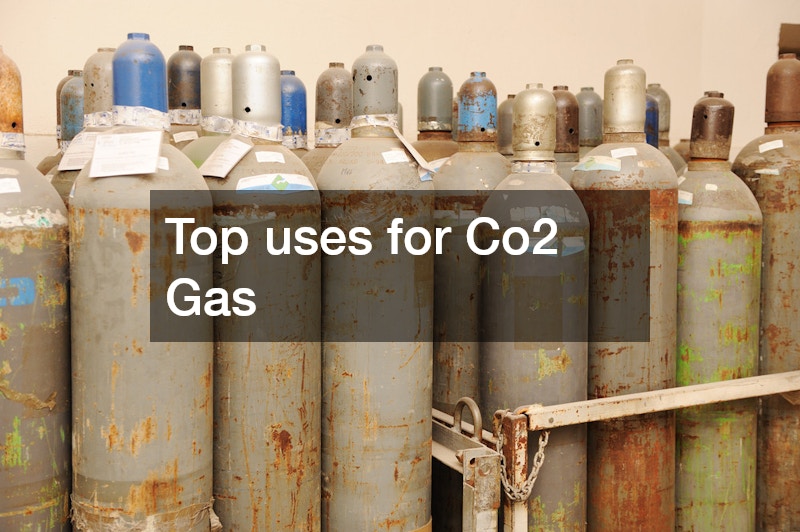
Top uses for Co2 Gas

Carbon dioxide (CO2) gas is a versatile substance that plays a crucial role in various industries, from food and beverage production to healthcare and manufacturing. While most people associate CO2 with carbonated drinks, its applications go far beyond that. Whether you’re a business owner or simply curious about this essential gas, understanding the top uses for CO2 can provide valuable insights. If you need CO2 for any of these purposes, consider seeking out reliable CO2 gas services to ensure a steady and safe supply. Here are some of the top uses for CO2 gas.


Video Source

1. Beverage Carbonation

One of the most well-known uses of CO2 gas is in the beverage industry. CO2 is responsible for the fizz in sodas, sparkling water, beer, and other carbonated drinks. The gas is dissolved into the liquid under pressure, creating the bubbles that make these beverages refreshing and enjoyable. If you own a restaurant, bar, or beverage production facility, CO2 gas services are essential to maintaining consistent carbonation levels and ensuring product quality.

2. Food Preservation and Packaging

CO2 gas also plays a vital role in food preservation and packaging. Modified atmosphere packaging (MAP) is a technique used to extend the shelf life of perishable foods, such as meats, fruits, and vegetables. In this process, CO2 is used to replace oxygen in the packaging, slowing down spoilage and maintaining freshness. CO2 gas services can help food manufacturers and processors keep their products fresh for longer, reducing waste and improving profitability.

3. Medical Applications

In the healthcare industry, CO2 gas is used for various medical applications. One common use is in minimally invasive surgeries, where CO2 is used to inflate body cavities, allowing surgeons better visibility and access to the surgical site. Additionally, CO2 is used in cryotherapy to freeze and remove abnormal tissue, such as warts and skin lesions. Reliable CO2 gas services are crucial for healthcare providers to ensure the availability and safety of medical-grade CO2.

4. Fire Suppression Systems

CO2 gas is an effective fire suppressant, particularly in environments where water-based systems would cause damage or be ineffective, such as data centers, electrical rooms, and industrial facilities. CO2 extinguishes fires by displacing oxygen, which is essential for combustion. It’s a fast-acting solution that minimizes damage to equipment and property. Businesses that rely on CO2-based fire suppression systems need dependable CO2 gas services to maintain their fire safety protocols.

5. Greenhouse Enhancement

In agriculture, CO2 gas is used to enhance plant growth in greenhouses. By increasing the concentration of CO2 in the air, plants can photosynthesize more efficiently, leading to faster growth and higher yields. This practice is particularly beneficial for commercial growers who need to optimize production. CO2 gas services can provide the necessary supply of CO2 to maintain optimal conditions for plant growth in greenhouses.

.

One of the most well-known uses of CO2 gas is in the beverage industry.

Career & Biz

Why Are There OSHA Fall Protection Guidelines?

Fall protection is one of the most critical aspects of workplace safety, especially in industries where employees are exposed to heights, such as construction, manufacturing, and maintenance. The Occupational Safety and Health Administration (OSHA) has established fall protection guidelines to prevent injuries and fatalities associated with falls, which are among the leading causes of workplace accidents. Understanding why these guidelines exist underscores their importance in maintaining a safe work environment.

Preventing Fatalities and Injuries
The primary reason OSHA fall protection guidelines exist is to prevent fatalities and injuries caused by falls. According to OSHA, falls are the leading cause of death in the construction industry, accounting for a significant percentage of all occupational fatalities each year.


Video Source

Falls from ladders, scaffolding, roofs, and other elevated surfaces can result in serious injuries or death, even from relatively low heights. By implementing fall protection measures, such as guardrails, safety nets, and personal fall arrest systems, employers can significantly reduce the risk of falls and protect their workers from harm.

Legal and Regulatory Compliance
OSHA fall protection guidelines are not just recommendations; they are legal requirements that employers must follow to comply with federal workplace safety regulations. Failure to adhere to these guidelines can result in severe penalties, including fines, citations, and even the suspension of operations. By establishing clear fall protection standards, OSHA ensures that all employers are held accountable for maintaining safe working conditions. These guidelines provide a consistent framework for evaluating and mitigating fall hazards, helping to create a level playing field for businesses while prioritizing worker safety.

Enhancing Workplace Productivity
While safety is the foremost concern, adhering to OSHA fall protection guidelines also contributes to increased workplace productivity. A safe work environment fosters confidence among employees, enabling them to perform their tasks efficiently without the constant fear of injury. When workers are protected from fall hazards, they can focus on their jobs with fewer distractions, leading to better performance and higher morale. Additionally, by preventing accidents, employers can avoid costly disruptions, such as lost workdays, medical expenses, and workers’ compensation claims, which can impact overall productivity.

Promoting a Safety Culture
OSHA fall protection guidelines are instrumental in promoting a culture of safety within organizations. By emphasizing the importance of fall protection, employers demonstrate their commitment to the well-being of their employees. This commitment not only improves compliance with regulations but also encourages workers to take safety seriously and adhere to best practices. A strong safety culture leads to fewer accidents, better teamwork, and a more positive work environment, ultimately benefiting both employees and employers.

Adapting to Evolving Work Environments
Workplaces are constantly evolving, with new technologies, methods, and materials being introduced regularly. OSHA fall protection guidelines are designed to adapt to these changes, ensuring that safety measures remain relevant and effective. By staying current with OSHA standards, employers can address emerging hazards and protect workers in a variety of settings, from traditional construction sites to modern industrial facilities.

Career & Biz

Service and Maintenance: Looking at the Most Common Auto Services and Repairs

Vehicle service and maintenance are critical aspects to ensure the longevity and efficiency of any automobile. Whether you own a Detroit diesel truck, an Audi, or any other vehicle, regular maintenance is key to avoiding costly repairs and ensuring your vehicle runs smoothly. This article will cover various common vehicle issues and the necessary service and maintenance practices to resolve them. From worn bearings in diesel trucks to electrical problems in luxury cars, we’ll delve into each issue, offering insights and advice on how to handle them efficiently. Additionally, we’ll explore topics such as transmission damage, truck bed damage, windshield replacement, AC issues, check engine light warnings, paint wear and tear, collision repair, and damaged locks. By the end of this article, you will have a comprehensive understanding of the importance of vehicle service and maintenance, and how to address specific issues using expert advice and practical solutions.

Worn Bearings

Worn Bearings

Worn bearings are a common issue in Detroit diesel truck repair. Bearings play a crucial role in reducing friction between the moving parts of an engine, and when they become worn, it can lead to severe engine damage. To prevent this, regular service and maintenance are essential. Checking the bearings for signs of wear during routine inspections can mitigate the risk of a complete engine failure.

In the context of service and maintenance for worn bearings, it is vital to keep the bearings well-lubricated and free of debris. Proper lubrication not only extends the life of the bearings but also ensures the smooth operation of the engine. Regular oil changes and using high-quality lubricants can help achieve this goal.

Moreover, service and maintenance should include a thorough inspection of associated components such as the crankshaft and connecting rods. Identifying issues early on can prevent further damage and save you from costly repairs. In conclusion, proactive service and maintenance in Detroit diesel truck repair are critical for the longevity of your engine’s bearings and overall performance.

Electrical Problems

Electrical problems in vehicles, especially in luxury brands like Audi, can be particularly challenging to diagnose and repair. Audi repair services often encounter issues such as faulty wiring, malfunctioning sensors, and dead batteries. Electrical problems can lead to a host of other issues if not addressed promptly, making regular service and maintenance imperative.

Service and maintenance for electrical systems should include checking the battery, alternator, and wiring for any signs of wear or damage. Ensuring that these components are in good working condition can prevent electrical failures and improve overall vehicle performance. Routine inspections can help identify potential issues before they escalate.

Additionally, it is crucial to stay updated with software diagnostics and updates for modern vehicles like Audis. Using advanced diagnostic tools can help pinpoint the exact source of an electrical malfunction, making the repair process more efficient. Thus, service and maintenance not only address existing problems but also help in preventing future issues in Audi repair scenarios.

Transmission Damage

Transmission Damage

Transmission damage is a significant concern for any vehicle owner because it affects the car’s ability to transfer power from the engine to the wheels. Transmission repair requires specialized knowledge and tools, making it essential to seek professional service and maintenance. Common symptoms of transmission problems include slipping gears, unusual noises, and difficulty shifting.

Regular service and maintenance can help prevent transmission damage by ensuring that the transmission fluid is clean and at the correct level. Contaminated or low transmission fluid can lead to increased friction and heat, causing wear and tear on transmission components. Regularly checking and replacing the transmission fluid as needed can extend the life of your transmission.

Additionally, service and maintenance should include inspecting the transmission for leaks and other potential issues. A small leak can quickly become a significant problem if not addressed promptly. By conducting thorough inspections and addressing minor issues early, you can avoid costly transmission repair and ensure your vehicle runs smoothly for years to come.

Truck Bed Damage

Truck bed damage is a common issue for truck owners, especially those who use their vehicles for heavy-duty tasks. Whether it’s scratches, dents, or rust, truck bed damage can be both unsightly and functionally compromising. Service and maintenance practices, including installing a truck bed cover, can help protect your truck bed from damage and extend its lifespan.

A truck bed cover provides a barrier against the elements, preventing rain, snow, and UV rays from causing rust and fading. Additionally, it can protect your truck bed from debris and heavy loads, reducing the likelihood of dents and scratches. Regular cleaning and inspection of the truck bed can also prevent rust and other forms of damage.

For ongoing service and maintenance, it is essential to use high-quality protective coatings and liners. These can provide an extra layer of protection against physical damage and corrosion. By taking these preventive measures, you can ensure that your truck bed remains in excellent condition, even with rigorous use.

Windshield Replacement

Windshield Replacement

Windshield damage is a common occurrence due to road debris, accidents, and extreme weather conditions. Windshield repairs and replacements are critical for maintaining the structural integrity and safety of your vehicle. Cracks and chips can obstruct your view and compromise the effectiveness of airbags in the event of a collision.

Regular service and maintenance can help identify small cracks and chips before they expand into larger issues. Addressing minor windshield damage promptly can often allow for repairs rather than a full replacement, saving time and money. Professional windshield repairs use advanced technology to restore the structural integrity of the glass.

When a windshield replacement is necessary, it is crucial to use high-quality materials and ensure proper installation. Incorrectly installed windshields can lead to leaks, wind noise, and reduced safety. Therefore, regular inspections and timely repairs or replacements are essential components of vehicle service and maintenance. If your windshield has a scratch or crack in it, bring your vehicle to a professional as soon as possible. One small bump can cause serious damage to your window.

AC Issues

Auto AC repairs are essential for maintaining a comfortable driving environment, especially in extreme weather conditions. Common AC issues include refrigerant leaks, faulty compressors, and clogged filters. Addressing these problems promptly through regular service and maintenance can ensure your AC system functions efficiently.

Service and maintenance for auto AC systems should include checking the refrigerant levels, inspecting the compressor and condenser, and replacing any worn-out components. Regularly cleaning or replacing the cabin air filter can also improve the AC system’s performance and air quality. These practices can prevent minor issues from escalating into major repairs.

Moreover, it is essential to run your AC system periodically, even during colder months, to keep the components lubricated and in good working condition. Regular inspections and timely repairs can extend the life of your AC system and ensure a comfortable driving experience year-round. Thus, consistent service and maintenance are crucial for avoiding costly auto AC repairs. If you vehicle is experiencing AC issues, make sure you are visiting a professional immediately.

Check Engine Light

The check engine light is a warning indicator that something is amiss with your vehicle. It could signify a range of issues, from minor sensor malfunctions to serious engine problems. Ignoring this warning can lead to more severe damage and expensive auto repair bills. Regular service and maintenance can help diagnose and address the underlying issues promptly.

When the check engine light comes on, it is essential to use diagnostic tools to read the error codes and identify the problem. Many auto repair shops have advanced diagnostic equipment that can pinpoint the exact issue, allowing for targeted repairs. Regular diagnostic checks as part of routine service and maintenance can catch problems early.

Additionally, service and maintenance practices such as timely oil changes, replacing spark plugs, and checking the fuel system can prevent many issues that trigger the check engine light. By adhering to a consistent service and maintenance schedule, you can ensure your vehicle remains reliable and performs at its best, minimizing the risk of unexpected breakdowns.

Paint Wear and Tear

Paint wear and tear are common issues that can affect the aesthetics and value of your vehicle. Factors such as UV rays, weather conditions, and road debris can cause paint to fade, chip, or scratch over time. Auto detailing is a crucial service and maintenance practice to address these issues and keep your vehicle looking its best.

Regular auto detailing not only enhances the appearance of your vehicle but also provides a protective layer against environmental factors. Waxing and polishing can restore the shine and protect the paint from UV damage and oxidation. Detailing also includes cleaning and treating the interior, preserving both the exterior and interior of your vehicle.

Incorporating auto detailing into your service and maintenance routine can prevent minor paint damage from becoming a significant issue. By addressing scratches and chips promptly, you can avoid rust and corrosion. Regularly maintaining your vehicle’s paint can extend its lifespan and maintain its resale value, making auto detailing an essential aspect of vehicle care.

Collision Repair

Auto body collision repair is a specialized service that addresses damage resulting from accidents and collisions. This type of repair involves restoring the vehicle’s structural integrity, appearance, and functionality. Service and maintenance practices post-collision repair are essential to ensure the vehicle is safe to drive and maintains its value.

Service and maintenance after a collision should include a thorough inspection of the repaired areas to ensure all damage has been addressed correctly. This includes checking for any hidden damage that may not be immediately visible. Regularly inspecting the repaired areas can prevent future issues and maintain the vehicle’s structural integrity.

Additionally, it is vital to follow up with routine maintenance such as wheel alignments, suspension checks, and paint touch-ups. Ensuring that all systems are functioning correctly and the vehicle’s appearance is restored can provide peace of mind and prolong the vehicle’s lifespan. Proper service and maintenance post-collision are crucial for safety and longevity.

Damaged Locks

Damaged Locks

Damaged locks can be a significant inconvenience and security risk for vehicle owners. Issues such as broken keys, jammed locks, and malfunctioning electronic systems can prevent you from accessing your vehicle. Auto lockout service is a crucial aspect of service and maintenance that addresses these problems and ensures your vehicle remains secure.

Regular service and maintenance for your vehicle’s locking system should include lubrication of mechanical locks, inspection of electronic components, and timely replacement of worn-out parts. This can prevent lockouts and ensure your vehicle’s security. Professional auto lockout service can quickly resolve issues and provide solutions to prevent future problems.

Moreover, staying updated with the latest security features and technologies can enhance your vehicle’s protection. Implementing advanced locking systems and regularly checking their functionality as part of your service and maintenance routine can safeguard your vehicle against theft and unauthorized access. Thus, maintaining the integrity of your vehicle’s locks is crucial for both convenience and security.

Hydraulic Repair

Hydraulic systems play a crucial role in modern vehicles, powering everything from brake systems to power steering. Over time, these systems can experience wear and tear, making hydraulic repair a key aspect of vehicle maintenance. Addressing hydraulic issues promptly ensures your car operates safely and efficiently.

One common problem in automotive hydraulic systems is leaking brake fluid. Brake fluid leaks can compromise braking performance, posing a serious safety risk. Regular inspections and timely hydraulic repair can prevent such issues from escalating. Another frequent concern is the deterioration of power steering fluid. Leaks or contamination in the power steering system can lead to difficult steering and increased wear on the steering components.

Hydraulic pumps and cylinders also play a significant role in automotive systems. For instance, a malfunctioning hydraulic pump can affect power steering or brake performance. Ensuring these components are regularly checked and repaired as needed can prevent more severe problems down the road.

To keep your vehicle’s hydraulic systems in top condition, it’s essential to work with a professional who specializes in hydraulic repair for cars. They can provide accurate diagnostics and effective solutions, helping to maintain optimal performance and safety. Investing in regular maintenance and quality repair services not only extends the lifespan of your vehicle but also supports overall driving reliability.

In conclusion, regular vehicle service and maintenance are essential for addressing common issues and ensuring the longevity and performance of your automobile. From worn bearings in Detroit diesel truck repair to complex electrical problems in Audi repair, each aspect requires careful attention and timely intervention. Transmission repair, truck bed cover protection, windshield repairs, and auto AC repairs all contribute to the overall health of your vehicle.

Consistent service and maintenance practices such as auto detailing, check engine light diagnostics, collision repair, and maintaining the integrity of locks are crucial for both the appearance and functionality of your car. By adhering to a comprehensive service and maintenance schedule, you can prevent minor problems from escalating into major issues, saving time and money in the long run.

Ultimately, service and maintenance are about more than just fixing problems; they are about preserving the value, safety, and reliability of your vehicle. Whether it’s addressing paint wear and tear or ensuring your truck bed remains undamaged, proactive care is the key to a hassle-free driving experience. By following the guidelines and tips provided in this article, you can keep your vehicle in optimal condition for years to come.