Category: Home

FeaturedHome

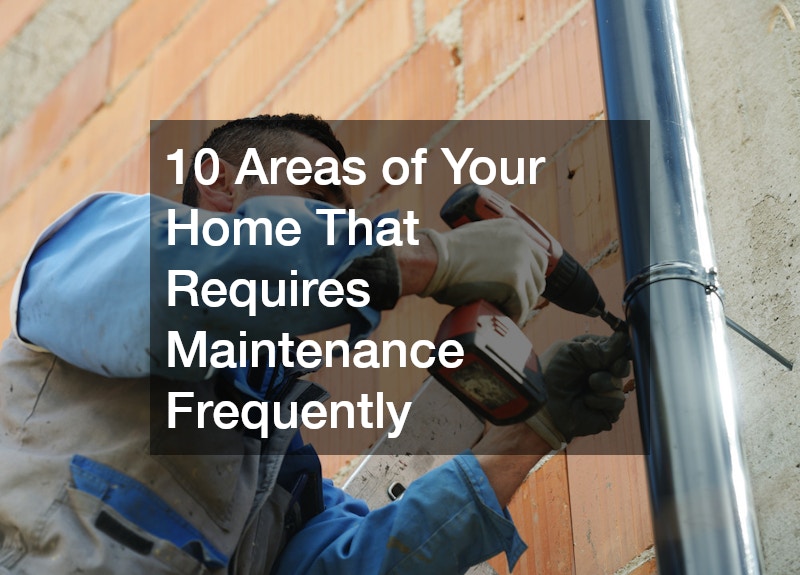
10 Areas of Your Home That Requires Maintenance Frequently

Maintaining a home is a continuous process that requires vigilance and timely interventions. Regular upkeep not only ensures the longevity of your property but also safeguards the health and comfort of its inhabitants. From air conditioning systems to exterior gutters, every component of a house requires maintenance. In this extensive guide, we will delve into various crucial areas of home maintenance, highlighting their importance and offering insights into how homeowners can proactively address potential issues. Whether it’s ensuring your water heater is functional or scheduling routine inspections for your roof, understanding the ins and outs of home maintenance can save you time, money, and stress in the long run. With the right knowledge and resources, anyone can keep their home in optimal condition. Let’s explore each category in detail to understand the importance and specific requirements of proper home maintenance.

Air Conditioning

Air Conditioning

Air conditioning systems are vital in maintaining a comfortable indoor climate, particularly during hot seasons. However, air conditioning repairs can be quite costly if regular maintenance is not carried out. It’s essential to keep track of routine service schedules to prevent unexpected breakdowns. Timely filter replacements, cleaning of coils, and checking refrigerant levels are all part of ensuring that your air conditioner runs efficiently.

Undertaking periodic maintenance helps in identifying minor issues before they turn into significant problems. Components like the compressor, fans, and motors can wear out over time, significantly affecting performance. Scheduling preventive maintenance can extend the life of your air conditioning system and help in maintaining energy efficiency. This not only reduces energy bills but also lessens the frequency of major air conditioning repairs.

Employing qualified technicians for regular inspections is highly recommended. These experts have the necessary tools and knowledge to detect and fix issues that might be overlooked by homeowners. Having a well-maintained air conditioning system ensures comfort and enhances indoor air quality. Remember, air conditioning repairs are much less stressful and cheaper when routine maintenance is prioritized.

Water Heaters

Water heaters are another essential component of any household, providing hot water for daily activities such as bathing, cooking, and cleaning. However, they too require maintenance to operate efficiently. Over time, sediments can build up in the tank, affecting its performance and lifespan. Regular flushing of the tank is necessary to remove these deposits and ensure the efficient functioning of the water heater.

Neglecting maintenance can lead to several issues, including inconsistent water temperatures and increased energy consumption. Periodic inspections to check for leaks, corrosion, and the condition of the anode rod are critical. These maintenance activities can stave off the need for a complete water heater replacement, which can be an expensive proposition. Always consult your water heater’s manual for specific maintenance guidelines.

Unfortunately, even with regular maintenance, water heaters won’t last forever. There will come a time when water heater replacement becomes necessary. However, recognizing the signs early, such as frequent breakdowns or a noticeable decline in performance, can make the replacement process smoother. A properly maintained water heater provides reliable service and contributes to the household’s overall comfort and efficiency.

Roofing

The roof is one of the most critical parts of a house, protecting it from the elements and contributing to its structural integrity. Regular maintenance is essential to ensure it performs its function effectively. Engaging a local roof repair company for periodic inspections is a wise decision. These professionals can identify and repair minor issues such as missing or damaged shingles, leaks, or worn-out flashing before they escalate into more significant problems.

A well-maintained roof not only enhances the aesthetic appeal of a home but also improves its resale value. It requires maintenance to keep it in top condition, which involves cleaning gutters, removing debris, and fixing any minor damages promptly. In regions with extreme weather conditions, more frequent checks may be necessary to address and mitigate wear and tear caused by wind, rain, snow, or sun.

When choosing a local roof repair company, look for those with a good reputation and appropriate certifications. These companies have the expertise to offer tailored maintenance plans that cater to the specific needs of your roof. It requires maintenance to ensure longevity and functionality, and professional care can go a long way in providing that security and peace of mind.

Gutters

Gutters play a crucial role in diverting rainwater away from the foundation of a house, thus preventing water damage. Over time, they can become clogged with leaves, dirt, and other debris, necessitating regular maintenance. Gutter repair is often required when blockages are not addressed promptly, leading to overflow and potential damage to the roof, siding, and foundation.

Regular cleaning and inspection of gutters are essential to ensure they function correctly. It requires maintenance to keep gutters free of obstructions and in good working order. This includes checking for leaks, ensuring the downspouts are clear, and verifying that the gutters are securely attached to the house. Regular upkeep prevents water-related damage and extends the life of your gutters.

Employing professional services for gutter repair and maintenance can save you time and effort. Experts can identify potential issues such as sagging gutters, improper slopes, or structural damage that might not be immediately visible to the untrained eye. Proper maintenance ensures that gutters perform their role efficiently, protecting your home from water damage and maintaining its structural integrity.

Plumbing

Plumbing

Plumbing issues can range from minor annoyances like dripping faucets to major concerns like burst pipes. Regular maintenance is key to preventing these issues from escalating. Plumbing repair often involves addressing leaks, unclogging drains, and fixing broken pipes. Regular inspections and timely repairs are essential to maintain the overall health of the plumbing system.

Preventive measures can save homeowners from costly repairs and inconveniences. It requires maintenance to keep a plumbing system functioning optimally. Regularly checking for leaks, inspecting pipes for corrosion, and ensuring that all fixtures are in good working condition can prevent significant problems down the line. Even minor drips can lead to substantial water wastage if left unattended.

Involving a professional for regular inspections can help catch issues early. Experts can perform thorough inspections, using advanced tools to detect hidden leaks or potential problem areas. Plumbing repair is often more manageable and less costly when problems are identified and addressed before they become severe. Maintaining your plumbing system is crucial for the health, safety, and comfort of your household.

Boilers

Boilers are essential for providing heating and hot water in many homes. Regular maintenance is necessary to ensure they function efficiently and safely. Boiler repairs can be costly and inconvenient, making preventive maintenance all the more critical. Regularly checking the pressure, bleeding radiators, and ensuring there are no leaks can help maintain your boiler’s efficiency.

A well-maintained boiler operates more efficiently, reducing energy consumption and lowering utility bills. It requires maintenance to address potential issues before they escalate. Annual servicing by a qualified technician is recommended to check for safety concerns, such as gas leaks, and to clean components that can affect performance. Keeping your boiler in good condition ensures reliable heating and hot water supply.

Even with regular maintenance, boilers can occasionally break down. Being proactive by scheduling routine inspections can help identify minor issues that could lead to significant problems. Professional technicians have the expertise to perform comprehensive checks and boiler repairs, ensuring your system runs smoothly and efficiently. Regular maintenance extends the life of your boiler and ensures it operates safely and effectively.

Appliances

Appliances

Household appliances such as refrigerators, washing machines, and ovens are indispensable in our daily lives. However, they require maintenance to function efficiently. Appliance repair can often be avoided through regular upkeep and timely interventions. Cleaning filters, checking for wear and tear, and ensuring proper connections can extend the lifespan of these devices.

Regular inspections can identify potential issues before they result in a complete breakdown. It requires maintenance to keep appliances running at their best. This includes tasks such as defrosting the freezer, cleaning the dishwasher filter, and checking the oven’s heating elements. Consistent care and maintenance prevent small problems from becoming costly repairs.

Hiring professional services for appliance repair and maintenance can be beneficial, especially for complex devices. Experts can perform thorough checks, diagnose issues accurately, and make necessary repairs effectively. Maintaining your appliances ensures they operate efficiently, reducing energy consumption and prolonging their lifespan. A well-maintained appliance is both cost-effective and reliable.

Furnace

A furnace is essential for keeping your home warm during the colder months. Regular maintenance ensures it operates efficiently and reliably. Furnace repair can be costly and inconvenient, making preventive maintenance crucial. Checking the thermostat, cleaning the filters, and inspecting the blower motor are all part of keeping a furnace in good working order.

Regular maintenance helps in identifying and addressing minor issues before they escalate. It requires maintenance to ensure the furnace runs smoothly without unexpected breakdowns. Annual inspections by professional technicians are recommended to check for potential issues such as gas leaks, carbon monoxide emissions, and wear and tear on components.

A well-maintained furnace operates more efficiently, reducing energy consumption and heating costs. Scheduling routine checks and addressing issues promptly extends the life of the furnace. Furnace repair is often more manageable and less costly when problems are identified early. Ensuring your furnace is in good condition provides peace of mind and consistent, reliable warmth during winter.

Exterior

Exterior

The exterior of a home, including the siding, windows, and doors, requires maintenance to preserve its appearance and functionality. Metal roofing services are particularly important for homes with metal roofs. Regular inspections and maintenance ensure the roof remains in good condition, protecting the house from the elements and enhancing its overall look.

It requires maintenance to keep metal roofs free from rust, leaks, and other potential problems. Regular cleaning, applying protective coatings, and addressing minor damages promptly prevent more extensive and costly repairs. Metal roofing services often include inspections, repairs, and maintenance plans tailored to the specific needs of metal roofs.

Besides the roof, other exterior elements like siding and windows also need regular care. Checking for cracks, water damage, and proper sealing ensures the exterior remains in good condition. Regular upkeep enhances the home’s aesthetic appeal and protects it from weather-related damage, contributing to its overall durability and value. Your exterior is important, which is why it is important to have repair services for your home.

Garage Doors

Garage doors are a crucial part of a home’s security and functionality. Regular maintenance is necessary to ensure they operate smoothly and safely. Engaging a garage door repair company for routine inspections and maintenance can prevent unexpected breakdowns and extend the life of the door. This includes checking the springs, cables, and door panels for any signs of wear or damage.

It requires maintenance to keep garage doors in optimal working condition. Lubricating moving parts, tightening hardware, and ensuring the door is balanced are all essential tasks. Regular upkeep prevents minor issues from becoming major repairs and ensures the door operates efficiently and safely.

Professional services from a garage door repair company can provide comprehensive maintenance plans. Experts can identify potential problems and address them promptly, ensuring the door functions reliably. Maintaining your garage door enhances home security, improves convenience, and prolongs the door’s operational life. Regular maintenance ensures smooth and safe operation, providing peace of mind for homeowners. Garages regularly breakdown, making it important to keep a handyman or repair service handy.

Conclusion

Maintaining a home requires a proactive approach and regular attention to various components. From air conditioning repairs to metal roofing services, each aspect requires maintenance to ensure optimal functioning and longevity. Regular upkeep not only prevents costly repairs but also enhances the comfort, safety, and value of your home. Engaging professional services for inspections and maintenance can be beneficial, providing expert care and timely interventions. Recognizing the importance of regular maintenance and acting on it ensures a well-maintained, efficient, and comfortable living environment. By dedicating time and resources to home maintenance, homeowners can enjoy the benefits of a safe, efficient, and beautiful home for years to come. If you are looking to get reliable renovation services, look to your local home remodeling and maintenance companies to restore your home.

Home

Your Ultimate Moving Out of Home for the First Time Checklist

Moving out of your parents’ home and starting your life on your own is super exciting but also a little bit scary. For the first time, you’ll be on your own and you’ll be the one responsible for everything around the house or apartment. Getting a good headstart will make a difference to your experience on your own, so having a moving out of home for the first time checklist is essential.

That’s exactly what we offer you in this article. You’ll have a thorough ‘moving out of home for the first time checklist’ that will help you prepare for the exciting big day and ensure everything goes smoothly.

Let’s get right into it, shall we?

Hire a Moving Company

One of the first things to add to your big moving out of home for the first time checklist is finding the right moving company to move all your belongings from your parents’ home to your new living space. It’s best not to settle for the first option you find because the company may not be exactly what you need.

You should check out all the local moving companies and get to know them a little bit better. Learn more about how they handle your possessions, if they have insurance, if anything breaks, how far they’re willing to travel, what the costs are, and so on. Knowing as much as possible will make it much easier for you to choose the right company and rest assured that everything will be okay on moving day.

Also, make sure you work with a residential mover because companies that typically work with bigger loads may not be suitable for your needs. They may offer more affordable moving services but work on specific schedules, for example. Spend as much time as you need finding the right company because using the wrong one can ruin your moving experience.

Paperwork You Need to Gather

Moving out is about far more than just moving everything you own to a new location and settling there. Surprisingly, there is a lot of paperwork you’ll need to sort out as well. You’ll need to update your insurance information and your driver’s license if you have one, change your address info at your bank and other companies, and ensure that any mail you receive will go to the right address. Remember to update your subscriptions as well, and update your car registration.

Things You Need to Do for the Government

In addition to changing the information that companies have about you and ensuring your mail reaches the right address, you also need to consider that there are government-related matters to sort out when you move. You’ll have to deal with your tax records as soon as possible so you don’t risk getting into legal trouble. You’ll have to make sure your passport shows the correct address if you’ve added it. Your address should be changed with the US Post Office, but chances are you did that already if you followed the instructions in the previous item on this ‘moving out of home for the first time checklist’.

If you’re still waiting for your driver’s license to be changed, you may have to hire a towing company to move your car. You don’t want to be caught driving without your license, do you?

Utilities you Need to Arrange

Before you can spend even a day in your new place, you have to ensure that all the relevant utilities have been sorted out. It would really suck to arrive at your new home only to find that there is no electricity or gas because you didn’t make the relevant arrangements. You’ll have to contact all the right providers at least a few weeks before you move so everything can be taken care of ahead of your big day.

Here are some of the utilities you need to sort out:

  • Water
  • Gas
  • Electricity
  • Internet/Wi-Fi
  • Garbage
  • Cable TV

Bedroom Furniture and Accessories

Your bedroom will be the place where you rest and find peace after a hard day’s work, so it should be taken care of as soon as possible after you’ve started moving out. You may have to consider working with lease moving truck services so you can move your bed and other big furniture items if you don’t find a moving company with vehicles that are big enough.

In addition to getting storage moving trucks for your bed, wardrobe, and other big items, you’ll have to make sure there’s enough space for other essential accessories and items like your sheets, blankets, pillows, bedside tables, rugs, lamps, and decorations.

Laundry Essentials

If you’re moving into an apartment or house without in-unit washers and dryers, you’ll have to get your own or find a nearby laundromat. If you’re planning on visiting a laundromat often, make sure you’ve got coins for the laundry machines. Laundry essentials you need to own include laundry baskets or sacks, laundry detergent (liquid or pods), and drying racks. You may also need to buy an iron and ironing board and learn how to iron your clothes without burning them—some fabrics should never be ironed, so keep that in mind.

Kitchen Must-Haves

The kitchen is meant to be the heart of a home, so it’s only natural to focus on kitchen essentials for our ‘moving out of home for the first time checklist’. Although most homes and apartments offer basic cabinets and appliances, you need to be prepared and have everything else.

You must have your own cooking utensils, pots and pans, measuring cups, spice sets, bakeware, a strainer, silverware, dishes, drinkware, and food storage items. It’s also a good idea to stock up on paper towels, napkins, dish soap, dishwashing sponges, and dishwasher detergent if you’ve got a dishwasher.

Living Room Furniture and Accessories

Your living room is probably going to be the place where you spend most of your time, at least when you’ve got company. If you already have furniture for your living room bought and waiting in storage, that’s awesome! If not, you’ll have to buy everything you need and safely store it in storage facilities that are secure and won’t let any harm come to your possessions.

If you’re unsure of what your living room will need, just look at your parents’ space and make your own list. You’ll need sofas or couches, a coffee table, area rugs, lighting, a TV, curtains, and any other decorations you want for your own place.

Cleaning Supplies

No ‘moving out of home for the first time checklist’ could be considered thorough without listing the cleaning supplies you’ll need for your own home. There are many to consider, but the most important items and supplies include, but are not limited to:

  • Broom and dustpan
  • Vacuum cleaner
  • Rubber gloves
  • Window cleaner
  • Carpet cleaner
  • Detergent/dish soap
  • Garbage bags
  • Garbage can
  • Mop
  • Cleaning solutions
  • Tile cleaner
  • Multipurpose wipes
  • Air freshener/diffuser

Bathroom Essentials

Your bathroom needs to be ready for all your messes (bathrooms can become super messy even when you try your best to keep them clean, so you’ll need to have all the essentials prepared when you move in. You’ll have to have soap, toothpaste and a toothbrush, shower products, cleaning products, toilet paper, a shower curtain, and non-slip bath mats. Don’t forget to add all the lovely decorations that make bathrooms feel like sanctuaries!

Basic Maintenance

Your home won’t be perfect, so you need to be prepared for maintenance and tasks that require special tools or equipment. You should make sure your new home has all the extension cords you’ll ever need, you have extra batteries, a snow shovel and ice melt, a few flashlights, paint brushes, industrial cleaners, and the contact numbers of local professional services if you ever need them.

Tool Kit/Toolbox

What would a moving out of home for the first time checklist be without the mention of a toolbox? Incomplete, that’s what! You may not consider yourself a handyman, but it’s important that you have all the basic tools a standard toolbox comes with, so you won’t be lost if something needs your attention in your new place.

You’ll need a sturdy toolbox with items like measuring tape, spare screws and nails, screwdrivers, nails, hooks, an electric drill, a level, a socket wrench, pliers, masking tape, electrical tape, industrial scissors, a multimeter, and cable ties/zip ties.

Safety Items

You can’t move into your new home without making sure that you’ll be safe and that anyone who visits your home won’t be in any danger or at risk. It’s not a pleasant thought, but you need to be prepared to react to emergency situations. You’ll need to ensure that your home has fully-functional smoke detectors, a working carbon monoxide alarm, a fire extinguisher, and a security alarm. You may also have to add a doorbell camera and other cameras around the property to deter criminals.

Pet Care Essentials

If you have pets or plan to have pets once you’ve moved out of your parents’ home, you need to be fully prepared. Having a pet and not having all the essentials to deal with it can lead to disastrous situations. It should go without saying that you need food, relevant medication, toys, blankets, bowls, and treats for your pets, but there are other considerations to keep in mind as well.

Add to your ‘moving out of home for the first time checklist’ a note to make sure that your home and yard are safe for your pet. You don’t want your beloved furry friend to end up loose in the streets or falling from a high balcony because you failed to plan appropriately.

First Aid

It’s really important that you have a fully stocked first aid kit so you can deal with medical emergencies appropriately and quickly. Running around looking for bandages or disinfectant while you’re bleeding is just asking for trouble. Accidents can happen quite easily, so make sure you won’t be ill-prepared for an unexpected incident.

Your first aid kit should have bandages, bandaids, an antiseptic ointment, a thermometer, painkillers, hydrogen peroxide, cold medicine, an ice pack, tweezers, burn ointment, and medical/first aid scissors at the very least. Adding allergy medicine, an EpiPen, and similar items will make your first aid kit ready for any emergency.

Miscellaneous

There are some things you will need that don’t really fall into specific categories but are still necessary for any person moving into their own place. These items are often overlooked and only noticed when they’re needed, which is then too late to plan for. This includes power strips, clothing hangers, candles and matches, an alarm clock, adapters for plugs and appliances, and similar items. Be sure that you’ve got everything you’ll need by making your own ‘moving out of home for the first time checklist’ with all the things you use now and may need when on your own.

Health Insurance

Make sure you have your own health insurance so you can truly live independently. You can stay on your parents’ life insurance until you’ve worked out the details and arranged your own insurance.

Renters’ Insurance

Settling into your own place is awesome, but you need to make sure the prized possessions you adore so much are insured. Getting renters’ insurance isn’t very expensive and will help you be prepared if anything goes wrong.

Community Connections

Even if you’re not a social person, it’s a good idea to befriend your neighbors and community. These folks can prove to be reliable when you’re not home and keep you informed of dangers and check your place for suspicious activity, and you can do the same for them.

Clean First

Living in a dirty environment is bad for your health as well as your state of mind. Before moving into your new place, give it a complete and deep clean so you don’t have to face any dirty messes, and just enjoy your new independence and freedom.

There you have it—the ultimate moving out of home for the first time checklist that will help you make sure moving out is fun and doesn’t go wrong. Thanks to this list (which you can copy and adjust as you see fit), you’ll be ready and properly prepared for your life on your own and enjoy the many perks of being an independent person!

Home

Can You Rent To Yourself Equipment Guide

Can you rent to yourself? Yes, you can rent equipment to yourself for personal or business use. Renting equipment can be a great way to save money and have access to the tools and vehicles you need without the commitment of purchasing them outright. However, it’s important to consider a few things before renting, such as the age and condition of the equipment, the size and type of vehicle needed, and any specific features or requirements you may have. In this guide, we’ll cover some of the different types of equipment you can rent and provide tips for making the most of your rentals.

Before You Rent

Renting equipment can be a convenient and cost-effective solution for individuals and businesses alike. Whether you need a vehicle for a short-term project, RV towing, towing services in general, scissor lift rentals, specialized equipment for a construction job, or a temporary power source for an event, there are many options available for rent.

Before renting equipment, it’s important to consider a few factors. First, think about the age and condition of the equipment. Older equipment may be more affordable, but it may also require more maintenance and may not be as reliable as newer models. Make sure to check the condition of the equipment before you rent it to ensure it is in good working order.

Next, consider the size and type of vehicle or equipment you need. Be sure to consider the weight and size of the items you’ll be transporting, as well as any towing requirements or restrictions. If you’re not comfortable driving a large vehicle or operating specialized equipment, you may want to consider hiring a driver or operator.

Finally, think about any specific features or requirements you may have. Do you need a dumpster with multiple pickups per week? Do you need a trailer with a ramp for easy loading? Do you need a generator with a specific power output? Make a list of your needs and compare rental options to find the best fit for your project or event.

Once you’ve found the right equipment for your needs, be sure to follow any safety guidelines provided by the rental company. Properly maintaining and operating the equipment will help ensure a successful project or event and may also help you avoid additional charges for damages.

Overall, renting equipment can be a cost-effective and convenient solution for individuals and businesses. By considering the age and condition of the equipment, the size and type of vehicle needed, and any specific features or requirements, you can find the right equipment for your project or event and make the most of your rental.

Renting Older Vehicles

Can you rent to yourself? Yes, you can rent older vehicles to yourself for a short-term project or event. These vehicles may not have all the latest features, but they can be more affordable and still get the job done. Keep in mind that older vehicles may require more maintenance and may not be as reliable as newer models, so be sure to check the condition of the vehicle before renting.

This can be a good option if you need a vehicle for a short-term project or event and don’t want to commit to purchasing a vehicle or leasing one long-term. Renting a vehicle can also be a good option if you need a specific type of vehicle that you don’t own, such as a pickup truck or a van.

There are several rental companies that offer vehicles for rent, including traditional rental companies as well as peer-to-peer rental platforms. When renting a vehicle, you will typically need to provide a valid driver’s license and a credit card for the rental. The rental company will also likely require you to have insurance coverage for the vehicle, either through your own auto insurance policy or through a policy provided by the rental company.

It’s important to keep in mind that older vehicles may not be as reliable as newer models, and they may require more maintenance. Be sure to carefully inspect the vehicle before renting to ensure that it is in good condition and suitable for your needs. Additionally, be sure to familiarize yourself with the terms of the rental agreement, including any restrictions on how you can use the vehicle and any fees that may be charged for damages or late returns.

Renting Large Vehicles

Can you rent to yourself? Yes, you can rent large vehicles such as trailers, RVs, or trucks to yourself for larger projects or events. When renting these types of vehicles, be sure to consider the weight and size of the items you’ll be transporting, as well as any towing requirements or restrictions. If you’re not comfortable driving a large vehicle, you may want to consider hiring a towing service or hiring a driver.

Dumpster Business Rentals

Can you rent to yourself? Yes, you can rent a trash dumpster to yourself for a dumpster business or construction project. Trash dumpster rentals are available in your area. When looking for dumpster rentals, consider the size of the dumpster, the frequency of pickups, and any additional fees or services that may be included in the rental.

If you are running a dumpster business, you may need to rent dumpsters to store and transport waste materials. You may also need to rent a dumpster if you are working on a construction project and need a place to dispose of debris.

When looking for dumpster rentals, there are a few key factors to consider. First, you will want to choose a dumpster that is the right size for your needs. This will depend on the amount of debris you need to dispose of and the space you have available to store the dumpster. You will also want to consider the frequency of pickups and whether the rental company offers on-demand pickup or only schedules pickups at specific intervals.

Additionally, you may want to consider any additional fees or services that are included in the rental. Some dumpster rental companies may charge extra for certain types of waste materials, such as hazardous chemicals or electronics. Other companies may offer additional services, such as loading the dumpster for you or providing a roll-off truck for transportation. Be sure to carefully review the terms of the rental agreement to understand all the costs and services that are included in the rental.

Car Rental

Can you rent to yourself? Yes, you can rent a car to yourself for personal or business travel. When looking for car rentals, consider the size and type of car you need, as well as any additional features or insurance options. Be sure to compare prices and read reviews before choosing a rental company.

There are many car rental companies that offer a wide range of vehicles, from compact cars to full-size SUVs, so you can choose the size and type of car that best meets your needs.

When looking for car rentals, there are a few key factors to consider. First, you will want to choose a car that is the right size and type for your needs. This will depend on factors such as the number of people you are traveling with, the amount of luggage you have, and the type of roads or terrain you will be driving on. You may also want to consider any additional features or amenities that you may want, such as GPS navigation, a sunroof, or a child safety seat.

It’s also important to consider the insurance options that are available with the rental. Most rental companies will offer various insurance options, such as collision damage waiver and personal accident insurance, that can provide additional protection in case of an accident or other unexpected event. Be sure to carefully review the terms and conditions of any insurance policies to understand what is and is not covered.

Finally, be sure to compare prices and read reviews before choosing a rental company. Look for a company that offers competitive rates and has a good reputation for customer service. This will help ensure that you have a smooth and enjoyable rental experience.

Trailer Unit Rentals

Can you rent to yourself? Yes, you can rent a trailer unit to yourself for transporting large items or equipment. These rentals come in a variety of sizes and can be towed by a truck or SUV. When looking for trailer rentals, consider the weight and size of the items you’ll be transporting, as well as any towing requirements or restrictions.

Making Equipment Rentals

Can you rent to yourself? Yes, you can rent specialized equipment such as scissor lifts, bobcat rentals, or commercial log splitters to yourself for construction or landscaping projects. When looking for equipment rentals, consider the size and type of equipment you need, as well as any additional features or attachments. Be sure to compare prices and read reviews before choosing a rental company.

Commercial Rentals

Can you rent to yourself? Yes, you can rent specialized equipment such as industrial generators or HDD hammers to yourself for business use. When looking for commercial rentals, consider the size and type of equipment you need, as well as any additional features or attachments. Be sure to compare prices and read reviews before choosing a rental company.

Renting Out Generators

Can you rent to yourself? Yes, you can rent a generator to yourself as a temporary power solution. These rentals come in a variety of sizes and can be used for events, construction projects, or emergency situations. When looking for generator rentals, consider the size and type of generator you need, as well as any additional features or services that may be included in the rental.

Tip for Renting Tools

Can you rent to yourself? Yes. When renting tools, be sure to check the condition of the equipment before you take it home. Make sure all the parts are in working order and that there are no missing pieces or damage. You may also want to consider purchasing insurance or a damage waiver to protect yourself in case of any accidents or malfunctions.

There are many rental companies that offer a wide range of tools and equipment, from power tools and hand tools to heavy machinery and specialized equipment.

When renting tools, it’s important to carefully inspect the equipment before you take it home to ensure that it is in good working condition. Make sure that all the parts are present and functioning properly, and that there is no visible damage or wear. If you notice any issues, be sure to bring them to the attention of the rental company so that they can be addressed before you start using the equipment.

It’s also a good idea to consider purchasing insurance or a damage waiver to protect yourself in case of any accidents or malfunctions. This can help cover the cost of repairs or replacements if something goes wrong with the equipment while you are using it. Be sure to carefully review the terms of any insurance or damage waiver policies to understand what is and is not covered.

Renting Large Vehicle Parts

Can you rent to yourself? Yes. If you own a large vehicle such as a truck or RV and need to replace a part, you may want to consider renting the part rather than purchasing it outright. Restroom trailer rentals might also be included here. This can be a more affordable option, especially if you only need the part for a short period of time. When looking for large vehicle parts rentals, consider the size and type of part you need, as well as any compatibility or installation requirements. Be sure to compare prices and read reviews before choosing a rental company.

If you need to rent a specialized piece of equipment, such as an HDD hammer or local trailer parts, be sure to do your research and choose a reputable rental company. Renting the right tools and equipment can make your project or event a success, so be sure to consider all your options before making a decision.

Home

Guide to Brake Controllers

Brake controllers are devices that can control the electric brakes of a trailer. The device can send power down to the electromagnets to the brakes of a trailer and apply the brakes to the trailer. Electric brake controllers are needed for large vehicles, particularly vehicles that are 2000 kilos and up.


Video Source

If you are looking to purchase brake controllers for your vehicle transports, stay here to learn more about brake controller basics.

When power is sent to the electromagnet, you can actually choose how much power to send, which will dictate how much the trailer brakes. Different types of controllers have different capabilities. Figuring out which controller is right for you will take consulting with online forums, reviews, or one-on-ones with people who own controllers as well. Comparing their vehicle needs to yours will help you decide which brand of controller is right for you.

Installing a brake controller requires a qualified professional. However, if you were to install one on your own car, there are vehicle-specific kits that help you install a brake controller. It’s recommended that you go to your local auto electrician for proper installation.

For more in-depth info on electric brake controllers, check out the video we have linked above.

.

Home

What Is Cloud Connectivity?

If you own a small software development firm and are looking to grow your business, factors like a small team size, limited resources, and unpredictable demand can get in the way. You may be wondering if cloud connectivity provides the solution that you’re looking for. In order to answer that question, you’ll need to take a look at what sets cloud connectivity apart from on-premise computing.


Video Source

An on-premise setup costs more money and doesn’t offer as many different options. It’s also often difficult to scale down once you’ve scaled it up, which can lead to your business losing money in infrastructure and maintenance costs. Plus, servers take up a lot of space and come with many security risks.

Cloud computing, conversely, enables you to pay only for what you use and scale up and down as needed. The servers are hosted by service providers, so you won’t need to have them taking up space on the premises. As an additional benefit, cloud computing offers better security than an on-premise setup.

As you can see, cloud computing offers many benefits compared to on-premise computing. You should definitely consider investing in cloud connectivity for your business if you haven’t done so already.

.

Home

10 Questions You Should Ask a Local Roofing Company Before Hiring Them

Although the number of DIY home improvement projects has increased since 2020, the professional roofing industry has maintained steady, generating roughly 45 billion dollars in revenue, according to IBIS World.

Given the state of the economy, that sum of money seems excessive, but it makes sense given that placing asphalt, shingles, and the like on one’s roof is often not at the top of anyone’s DIY to-do list.

If you’re considering hiring roofing professionals to fix the roofing of your house, you should be aware that not all roofers are made equal. How can you be sure you choose wisely before signing a contract? After all, repairing a roof has a lot of potential for error, which could lead to more problems later.

The best course of action is to arrange a meeting with the contractor to learn more about their skill set, working methods, and promised deliverables. If you are planning to replace or repair your roof, be armed with the following questions to ask a local roofing company.

1. Are You Licensed?

This question is one of several to ask a local roofing company. In most American counties, you need a license to perform roofing services contracting work.

Before a contractor can start working, the local government issues them a license to ensure they are legitimate. Therefore, the first thing you should find out from a potential roofing contractor is if they have obtained a permit to operate.

The roofing contractor should be able to provide you with the license information for your state, city, and county since local laws differ. Request some specifics, such as the license holder’s name. The National Roofing Contractor Association enables you to check a company’s license

To confirm that the contractor is licensed in your area, you should also contact the city building department in your neighborhood. Names, addresses, and phone numbers provided by contractors must correspond to those on the NRCA website. If this doesn’t work, check the provider in the Better Business Bureau and Chamber of Commerce databases.

2. Are You Insured?

Due to how roofing labor is inherently risky, you must be protected against all risks by asking these questions to ask a local roofing company. To safeguard the homeowner in the event of an accident, any roofing contractor business should be covered by workers’ compensation and liability insurance. Suppose a contractor is hurt while working on your house. In that case, workers’ compensation will cover it, and liability insurance will cover any damage the roofers make while doing maintenance or replacement work.

Imagine one of your contractor’s workers fractures their leg while doing roof maintenance. They might go after you if they can’t get their employer to pay for a worker’s compensation. Additionally, a roofing contractor can cause damage to your property while working. Without the necessary insurance to pay for it, you would be responsible for the harm, or you would have to launch drawn-out, frequently pointless litigation.

3. What Services Do You Offer?

From contractor to contractor, roofing services differ. Ensure the roofers you are interested in working with offer the needed services by asking them this question from the list of questions to ask a local roofing company. Typical roofing services consist of the following:

  • Leaks
  • Damage
  • Roof maintenance and repairs
  • Replacement or installation
  • Weatherproofing
  • Insulating
  • Ventilating
  • Shoveling
  • Roof cleaning (pressure washing away mildew, moss, and buildup)
  • Painting, treating, or sealing (especially for wood or metal roofs)
  • Cleanup of debris

Checking your gutters is an excellent idea while replacing your roof. You might come across roofers who provide siding, gutter, and window repairs. Ask the roofing experts if they offer other services. In the long run, you can save money by tackling roofing and gutter repairs simultaneously.

4. How Much Experience Do You Have?

This question is another among the several questions to ask a local roofing company. Many rogue roofers frequently open and shut their businesses to clear their names and restore their reputations. Based on a contractor’s website, you could infer how long they’ve been in operation. Ask your potential residential roofer during the interview how long they have been contracting for and how long their business has been operating.

You might discover that a contractor who claims to have 20 years of experience has only been operating independently for a few months. They may be trying to flee responsibility after doing poorly, which is a warning sign because they haven’t invested much in their company’s reputation. In an ideal situation, you should deal with a contractor with at least five years of experience in their field.

5. Do You Offer Free Estimates?

Although many local roofing contractors still operate on a ‘handshake’ basis, you’ll need more than that to have confidence in your chosen company when such a significant investment is at stake. IKO.com reports that it is possible to recoup 109% of your investment when you sell your house with a new roof.

Make sure you ask these questions to ask a local roofing company, so you can get a thorough estimate. Make sure to do so before revealing your budget because you might be selecting a provider based on the quote. You risk headaches if a company refuses to provide you with the job’s details, including the project estimate, in writing.

A documented estimate might offer some protection against price increases and hidden fees for your roof’s repairs or complete replacement. Since it is uncommon for a construction project to proceed exactly as planned from the start, a written estimate could provide a solid indication of what you can expect to pay in various situations. No matter how fantastic a contractor’s bargain sounds, only sign a contract if you have the estimate.

You want to avoid any expensive surprises when paying the bill, right? Therefore, the local roofing company should offer a documented estimate for labor, supplies, and any additional costs that might arise. And remember that by documenting any damage with photos, noting the dimensions of your roof, and keeping track of the project’s materials, you can make this estimate more accurate.

6. Are You Local to the Area?

Asking a roofing contractor if they are local might be a good method to determine their experience level and dependability. Some people might not think having a local business residence matters, but it should. A contractor with a problematic past might have just relocated to your neighborhood and might need to be made aware of the local challenges when working on your roof.

Additionally, replacing a roof might seem like a one-time task, but it is usually not. Consider a scenario where you have a problem and need further repairs, but you cannot reach the company you chose. Are you at ease pursuing a warranty with a business thousands of kilometers away?

Some out-of-state businesses will enter the area, undercut the costs of local roofing companies, take the money, and leave for the next town. None of these businesses are concerned with following local regulations or installing roofs correctly. But a local company will be aware of the installation regulations that must be followed in the area, the paperwork that must be submitted, and the steps necessary for a proper installation.

7. Can I See Past Projects?

Request to see the prior work of a contractor you consider employing for roof replacement services. If you can’t find a gallery on their website, you should request to visit their previous projects. A roofing contractor can demonstrate their caliber of work and what a home or business owner might anticipate by showing prospective clients their portfolio of previous roofing projects.

Every skilled and reliable roofing contractor will be able to provide you with examples of their prior work. You may visit the completed sites to verify the work and speak with individuals who have previously collaborated with your prospective contractor. Contrary to popular belief, no two roofs are the same. Can a certain business handle all the special features of your roof? Checking out their past projects is the only way to find out.

8. Do You Have Any Referrals?

Don’t just trust the words of a potential roofer. In fact, take their word with a pinch of salt. Make sure you can read reviews of prior clients before selecting them. The value of word-of-mouth promotion can’t be overstated. The best approach to judge a roofing contractor’s roof maintenance work is to personally examine their work and speak with other homeowners who have hired them.

Any reputable contractor should be able to give you local references so you can learn more about what they can do. Contractors will only want to give you great feedback on their job, so you must do a little independent research to ensure you get an unbiased review. You can look online for customer reviews or enlist the help of your friends and family by asking them about their experiences.

It doesn’t matter if it’s Yelp, Angie’s List, Google, or one of the many other websites that allow user reviews. Check the reviews. Were any complaints made by previous clients that should be cause for concern? If so, go to the next roofing contractor and research them.

9. What Materials Do You Use?

You should be familiar with the range of roofing materials available and your preferred choice. But, your roofing contractor should also be well-versed in the options and understand which shingles or metal roofing services are ideal for your house, location, and requirements.

If you need clarification on the material to use, the best course of action would be to inquire about the materials they suggest for your roofing project. Pick the material that best suits your requirements. Inquire as to why a contractor suggests one kind of roofing system over another. For instance, why would they prefer asphalt shingles over metal roofing? Find out their opinion on various roofing materials, including tiles, membranes, and solar.

Additionally, keep an eye out for manufacturer identifiers. Is the roofing contractor a go-to supplier for the best shingles and roofing materials? Manufacturers of roofing materials only cooperate with firms with a reputation for providing installations of the highest caliber.

10. How Long Will the Project Take?

Among the many questions to ask a local roofing company is how long it will take to complete the project. The time it would take to acquire your new, upgraded roof is a crucial factor to consider. There are standards dependent on the size of the roof surface when it comes to timing. Here is an illustration to help you estimate how long it would take to replace the roof of your house.

Let’s imagine you need to repair the average architectural roof on your 2,000-square-foot home. In this instance, the roof replacement project may be finished in just two days. When determining the projected completion date, you must account for particular circumstances and unanticipated events.

There could be roadblocks that delay the project’s completion. Any potential challenges that could cause the roofing project to take longer should be addressed in the roofing contractor’s contingency plans by the residential roofing contractor.

Do they have sufficient personnel to pick up the slack in an emergency? Do they have extra supplies, equipment, and materials? What are they going to do in case of bad weather? Even worse, some contracts could have a “no later than” condition that makes them void if the task takes too long to finish.

The Bottom Line

When looking for roofing contractors around, you don’t want to take any chances, so be sure you know what to look for before you sign a contract. You can be sure you are receiving the best value for your money in this way. Armed with these questions, we’re sure you’ll be able to cut through the clutter and find a great choice that will serve your house (or business) well. Remember to request a written estimate, read it carefully, and feel free to ask any further questions you may have.

Working efficiently with a certified roofing contractor requires open communication, so even after hiring a pro, stay in touch with them as they do their work. So, as they fix the roof, there are no unpleasant surprises.

You want to ensure that every home’s roof will survive as long as possible because it is your most important possession. Therefore, don’t take your roof for granted. Find a contractor who offers local roofing services who can handle the job well by doing your research. Make sure you use these questions to ask a local roofing company before hiring any professional service for your home.