In the high-stakes world of commercial property management, silence is rarely a sign that everything is perfect. Usually, it just means the next crisis hasn’t hit yet. One minute you are reviewing quarterly lease agreements or analyzing CAP rates, and the next you are fielding frantic calls about a flooded server room, a jammed loading dock, or a parking lot that has turned into an ice rink. The sheer variety of issues that can arise in a single day is staggering, and the pressure to resolve them immediately is immense.
For many facility managers, the default mode of operation is reactive. You wait for something to break, and then you scramble to find a vendor who can fix it. However, this “break-fix” mentality is a recipe for disaster. When you are desperate, you lose your leverage. You are forced to pay premium emergency rates, accept whatever scheduling availability you can get, and often settle for subpar workmanship simply because you need a warm body on-site immediately.
The most successful property managers operate differently. They understand that the difference between a minor inconvenience and a major operational catastrophe often comes down to one thing: preparation. They rely on the “Speed Dial Strategy.” This approach involves building strong, vetted relationships with critical service providers before an emergency occurs. It is about having a trusted partner for every aspect of your building’s anatomy, ready to deploy at a moment’s notice.
This guide explores the five critical categories of vendor partnerships you need to vet and secure today. By establishing these connections now, you ensure your building operates smoothly, maintains its value, and remains safe for tenants and visitors alike, regardless of what the day throws at you.
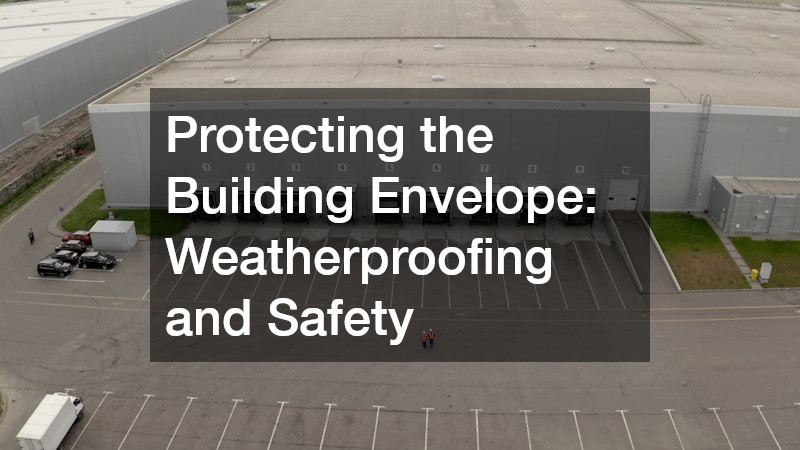
Protecting the Building Envelope: Weatherproofing and Safety
The “envelope” of your building—the roof, walls, and foundation—is the shield that protects your assets from the elements. If the envelope fails, everything inside is at risk. Two of the most critical, yet often overlooked, components of this shield are the roof overhead and the pavement underfoot. Neglecting either can lead to astronomical repair costs and significant liability issues.
Implement a “Top-Down” Preventive Maintenance Schedule
The roof is perhaps the single most expensive capital asset on your property, yet it is often “out of sight, out of mind” until water starts dripping onto a tenant’s desk. Water intrusion is insidious; by the time you see a stain on the ceiling tiles, the insulation above may already be saturated, and the decking could be rotting. This can lead to mold growth, electrical shorts, and structural compromise.
To combat this, you must shift from reactive repairs to a proactive maintenance schedule. This involves semi-annual inspections, ideally in the spring and fall. In the spring, you are checking for damage caused by winter freeze-thaw cycles or heavy snow loads. In the fall, you are clearing drains and gutters of leaves to prepare for winter storms.
A rigorous inspection should look for:
- Ponding water: Areas where water sits for more than 48 hours, which can degrade membrane materials.
- Blisters and bubbles: Signs that moisture has trapped itself beneath the membrane.
- Flashed penetrations: Checking seals around HVAC units, vents, and skylights, which are the most common failure points.
Attempting to patch a commercial roof with general maintenance staff is rarely a good idea. Modern roofing systems—whether TPO, EPDM, or modified bitumen—require specific repair techniques. Using the wrong sealant can chemically degrade the membrane or void the manufacturer’s warranty. This is why having a relationship with a certified commercial roofing partner is essential. They will understand the specific warranty requirements of your system and can provide documentation that proves you have maintained the asset according to manufacturer standards, which is crucial for insurance claims.
Mitigate Trip Hazards and Liabilities in Your Parking Areas
Your parking lot is the first physical interaction a visitor has with your business. It sets the tone for their experience. A lot filled with potholes, faded lines, and crumbling asphalt suggests a lack of attention to detail. More importantly, it represents a massive liability risk. Trip-and-fall lawsuits are among the most common legal claims against property owners, and proving negligence is often as simple as photographing a pothole that was ignored.
Asphalt is a durable material, but it is not invincible. It suffers from oxidation caused by the sun, which makes it brittle, and water penetration, which causes base failure. In colder climates, the freeze-thaw cycle expands cracks, turning minor fissures into gaping holes.
To extend the life of your pavement, adopt a strict preventative care cycle:
- Immediate Crack Filling: Seal cracks as soon as they appear to stop water from reaching the sub-base.
- Sealcoating: Apply a protective sealcoat every 2-3 years. This acts as “sunblock” for the asphalt, preventing oxidation and restoring the rich black color that improves curb appeal.
- Proper Drainage: Ensure catch basins are clear so water flows off the surface quickly.
When the damage goes beyond surface cracks, you need professional intervention. Partnering with professional commercial paving services allows you to address structural issues like “alligatoring” (interconnected cracks resembling reptile skin) or depressions that hold water. Furthermore, these experts ensure your lot remains compliant with the Americans with Disabilities Act (ADA). ADA regulations regarding slope, handicap stall dimensions, and access aisle striping are strict. A general handyman can fill a pothole, but they likely won’t know the precise grading requirements to prevent a lawsuit.
Maximizing Curb Appeal: Attracting and Retaining Tenants
While structural integrity keeps the building standing, curb appeal keeps it leased. In a competitive real estate market, the visual presentation of your property is a direct reflection of your brand and the quality of your management. Tenants want to be proud of where they work, and customers judge a business by its cover.
Keep Your Brand Visibility High and Modern
Signage serves two purposes: wayfinding and marketing. A sign that is flickering, broken, or dirty sends a subconscious signal of neglect. It implies that if the management can’t be bothered to change a lightbulb, they probably won’t be bothered to fix an HVAC issue either. Conversely, crisp, bright, and modern signage projects stability and success.
You should audit your exterior lighting and signage quarterly. Look for:
- Color uniformity: Ensure all letters are illuminated with the same brightness and color temperature.
- Structural safety: Check for rust on mounting brackets or loose panels that could fall during high winds.
- Daytime appearance: Ensure the sign looks clean and readable even when not illuminated.
Many property managers are now retrofitting older neon or fluorescent signs with LED technology. While the upfront cost is higher, the ROI is significant due to energy savings and longevity. However, signage is heavily regulated. Zoning laws dictate size, brightness, and placement. When you need to upgrade or repair your facade branding, rely on a specialist in commercial signs. They can navigate the complex permitting process, ensure wind-load engineering compliance, and handle the dangerous electrical work required for high-rise or pylon signage.
Maintain Pristine Grounds Without the Headache
Landscaping is the “soft” architecture of your property. Well-maintained greenery softens the harsh lines of concrete and steel, creating a welcoming environment. However, neglected grounds—overgrown grass, dead bushes, and weed-choked beds—create an eyesore that attracts pests and lowers property value.
Consistency is the key to effective groundskeeping. You cannot wait until the grass is a foot tall to cut it. You need a scope of work that dictates frequency, such as weekly mowing during peak growing seasons and bi-weekly detailing of flower beds.
For larger properties, some managers debate bringing groundskeeping in-house versus outsourcing it. If you choose the in-house route, you must consider the equipment costs. Purchasing a high-grade commercial lawn mower is a significant investment, but for sprawling corporate campuses, it can pay for itself by eliminating monthly vendor contracts. However, this is only viable if you have staff trained to operate and maintain the machinery safely. For most managers, outsourcing is the safer bet, provided you have a strict contract that outlines performance metrics.
Securing the Perimeter: Access Control and Safety
Security is a top priority for every tenant. They need to know their employees and assets are safe. Your perimeter security—fences, gates, and locks—is the hardware that enforces your security policies. When this hardware fails, your building is vulnerable.
Fortify Your First Line of Defense
Automated gates and perimeter fencing are often the first checkpoints for security. They control traffic flow and prevent unauthorized vehicle access. A gate that is stuck in the open position renders your security patrols useless. A gate stuck in the closed position can halt shipping and receiving operations, costing your tenants thousands of dollars in delays.
Mechanical failure in gates is usually due to a lack of maintenance on the moving parts. You should seasonally lubricate hinges, chains, and rollers. In colder climates, hydraulic fluids can thicken, causing motors to strain and burn out.
Beyond mechanics, safety is paramount. Heavy rolling gates can crush vehicles or injure pedestrians if safety sensors fail. You must regularly test:
- Loop Detectors: Sensors in the ground that detect a vehicle and prevent the gate from closing.
- Photo Eyes: Infrared beams that reverse the gate if the beam is broken.
- Edge Sensors: Pressure-sensitive strips on the edge of the gate that stop movement upon impact.
Because these systems involve high-voltage electricity, heavy metal, and complex access control integration, they are not DIY projects. You need a relationship with a vendor specializing in commercial fencing and gates. They can provide 24/7 emergency service if a truck backs into your fence or a chain snaps, ensuring your perimeter is never left unsecured overnight.
Manage Tenant Turnover and Access Rights Efficiently
The physical key is a centuries-old technology that is still the backbone of security for many buildings. However, it is also a logistical nightmare. Every time a tenant moves out or an employee is fired and fails to return a key, your building’s security is compromised. If you do not know who has a key, you do not have security.
Conduct an annual “Key Audit.” Review who holds master keys and sub-masters. If the number of unaccounted keys exceeds your risk tolerance, it is time to re-key the facility.
To mitigate this in the future, many modern facilities are moving toward electronic access control systems (fobs or mobile credentials). These allow you to grant and revoke access instantly without changing hardware. However, physical locks will always be part of the equation for interior offices and sensitive areas. Partnering with a professional commercial locksmith service is vital for setting up master key systems that are complex enough to offer different levels of access while remaining manageable. They also ensure that all locking hardware meets fire code requirements, such as single-motion egress, which prevents people from being trapped inside during an emergency.
Operational Infrastructure: Flow and Functionality
A building is a machine. People flow in and out; water flows through pipes; air moves through ducts. When the flow stops, the building fails. Ensuring the reliability of your doors and plumbing is essential for day-to-day habitability.
Ensure Smooth Entry and Exit for High-Traffic Areas
Doors are the most abused mechanical components in any commercial building. They are kicked, shoved, slammed, and held open thousands of times a week. A front door that doesn’t close completely compromises your HVAC efficiency, letting expensive conditioned air escape. A door that slams shut too hard is a safety hazard for fingers and a liability risk.
Routine checks should focus on the hydraulic door closers. Look for leaking oil, which indicates a blown seal. Adjust the sweep speed and latch speed to ensure the door closes gently but firmly. Additionally, inspect the weather stripping. Worn seals allow moisture to enter, which can rot door frames and damage flooring.
Automatic doors add another layer of complexity. If sensors are misaligned, the door may refuse to open or open phantomly. Because entryways are critical for fire escape routes, you cannot cut corners here. Specialists in commercial door repairs are necessary to ensure that your entrances are not only functional but also compliant with fire codes and ADA accessibility standards. A jammed exit door is not just an inconvenience; it is a code violation that can result in heavy fines or facility closure.
Prevent the Disaster of Water Damage
Plumbing issues in commercial buildings are rarely small. A clogged toilet in a 20-story office building can cause backups on multiple floors. A burst pipe on a weekend can flood an entire level before anyone notices. Water damage is destructive, expensive, and leads to significant downtime.
Preventative plumbing maintenance is about avoiding the clog before it forms.
- Hydro-jetting: For facilities with commercial kitchens (grease buildup) or high public restroom usage, schedule annual hydro-jetting to scour the interior of sewer lines.
- Backflow Testing: Most municipalities require annual testing of backflow prevention devices to ensure contaminated water doesn’t reverse into the potable water supply.
- Leak Detection: Install smart leak detectors in high-risk areas like server rooms, basements, and near water heaters. These devices can send alerts to your phone the moment moisture is detected.
Commercial systems operate at higher pressures and volumes than residential plumbing. You need a commercial plumbing partner who has the heavy-duty equipment required to snake main lines and the expertise to handle industrial boilers and complex pump systems. Relying on a residential plumber for a commercial high-rise issue is a gamble that often leads to prolonged outages.
Crisis Management and Transitions: Being Ready for Anything
No matter how much preventative maintenance you perform, emergencies will happen. Pipes burst, fires start, and tenants move. How you handle these high-stress transition periods defines your reputation as a manager.
Recover Quickly from Fire, Flood, or Mold
When disaster strikes—be it a flood, a fire, or a sewage backup—speed is the only metric that matters. The longer water sits, the more it wicks into drywall and carpet. The longer smoke residue remains, the harder it is to remove the odor. Every hour your building is offline translates to lost revenue for you and your tenants.
The worst time to look for a remediation company is when you are standing in ankle-deep water. By then, local companies may be booked up, especially if the damage is due to a regional storm. You need a “Master Service Agreement” (MSA) in place with a disaster recovery firm. This pre-negotiated contract ensures you are at the top of their priority list and that pricing is agreed upon beforehand, preventing price gouging during a crisis.
It is important to understand that standard janitorial staff are not equipped for this work. Effective recovery requires commercial restoration services. These professionals have industrial-grade dehumidifiers, air scrubbers, and thermal imaging cameras to find hidden moisture. They also possess the necessary certifications to handle hazardous materials like mold or asbestos, ensuring the building is biologically safe for re-occupancy.
Streamline Corporate Relocations and Internal Moves
Commercial property management also involves managing the ebb and flow of tenants. Whether you are welcoming a new company or helping an existing tenant expand to a different floor, the physical move is a logistical hurdle. It involves moving heavy furniture, sensitive IT equipment, and confidential files, often within a tight timeframe to minimize business downtime.
To facilitate smooth transitions, create a “Move Matrix” for your tenants. This document helps categorize items by fragility, department, and destination. Planning the IT infrastructure move is critical; servers and phone systems should be addressed weeks before the furniture moves.
While tenants often hire their own movers, having a preferred partner for commercial moving services is a value-add you can offer. These movers differ from residential movers; they are trained to break down and reassemble cubicles, move heavy filing cabinets without cracking tile floors, and use library carts to keep files in order. They also understand the importance of certificate of insurance (COI) requirements and after-hours scheduling to prevent disruption to other tenants in the building.
Conclusion
The role of a commercial property manager is one of constant vigilance. You are the conductor of a complex orchestra, ensuring that every section—from the roof to the plumbing—plays its part in harmony. When you are successful, your work goes largely unnoticed. Tenants simply enjoy a clean, safe, and functioning workspace.
However, that silence is hard-earned. It is the result of foresight, planning, and the strategic assembly of a team of experts. The “Speed Dial” list discussed here is more than just a phone book; it is your ultimate risk management tool. It turns potential disasters into manageable inconveniences and transforms chaotic reactions into calculated responses.
If you do not currently have a trusted partner for every category listed above, make it your mission to fill those gaps this week. Vet the vendors, check their references, and save their numbers. Building these relationships today is the best investment you can make for the security and success of your property tomorrow.