
Category: Home & Garden

Home & Garden

How to Maintain Your Property’s Complete Roofing System

Your property is an intricate system of interconnected parts, but none play quite as vital a role as the barrier standing between your interior spaces and the open sky. The roof is the ultimate first line of defense. It tirelessly bears the brunt of scorching summer heat, freezing winter precipitation, high-velocity winds, and the constant barrage of ultraviolet radiation. Despite its monumental importance, it is often the most neglected component of a property until an obvious failure occurs. By the time water is dripping onto your living room floor or staining office ceiling tiles, the structural damage behind the walls has likely already begun, bringing with it the threat of rotting wood, compromised electrical systems, and hazardous mold growth.

The high cost of this neglect cannot be overstated. A proactive approach to maintenance is not merely about preserving aesthetics; it is a financial strategy designed to protect the foundation, the walls, and the valuable assets housed within. Ignoring minor vulnerabilities inevitably leads to catastrophic structural decay, forcing property owners to spend thousands of dollars on premature overhauls that could have been delayed by years, if not decades, with proper care.

The purpose of this guide is to shift your perspective from reactive panic to proactive management. In the following sections, you will learn a comprehensive, step-by-step methodology for inspecting, cleaning, maintaining, and eventually upgrading your overhead systems. By adopting these smart strategies, you will maximize the lifespan of your materials, improve your property’s energy efficiency, and secure an incredible return on investment.

Conduct Thorough Bi-Annual Visual Inspections

Conduct Thorough Bi-Annual Visual Inspections

The foundation of any successful property maintenance strategy is observation. Homeowners and property managers should commit to conducting a thorough visual inspection twice a year, ideally during the transitional seasons of spring and fall. These bi-annual checks are designed to evaluate how well the structure survived the extremes of the previous season and to prepare it for the weather challenges ahead.

To execute a proper inspection, start with the drainage systems. Clogged gutters and downspouts are among the leading causes of preventable water damage. When leaves, twigs, and sediment block the flow of water, it backs up and pools. Eventually, this standing water is pushed upward under the roof deck, soaking the wooden fascia boards and the soffit.

  • Clean and Clear: Put on heavy-duty gloves, safely position your ladder, and manually remove decaying organic matter from the gutters.

  • Flush the System: Once the bulk of the debris is gone, use a garden hose to flush the remaining dirt. Watch the downspouts closely; the water should exit freely. If it trickles, you have a blockage in the vertical pipe that must be cleared with a plumber’s snake or high-pressure nozzle.

  • Check the Alignment: Ensure the gutters are still pitched slightly toward the downspouts. Standing water in a clean gutter indicates a sagging channel that needs to be re-secured.

Next, you must assess the situation from the inside. Grab a powerful flashlight and venture into the attic during daylight hours. Turn off the lights and look for any tiny pinpricks of sunlight piercing through the wooden decking; where light can enter, water can enter. Furthermore, pay close attention to the temperature and the smell. If the attic feels like a sauna or smells like mildew, you have a critical ventilation issue. Poor ventilation traps heat and moisture, which essentially bakes the materials from the inside out, causing early degradation of the decking and underlayment.

Back outside, carefully assess the surface materials from the ground or a sturdy ladder. If you have an asphalt system, look inside your gutters for an accumulation of tiny, sand-like granules. Excessive granule loss exposes the underlying asphalt to the sun, accelerating its breakdown. If you notice your surface is aging but still structurally sound, you might research the application of shingle roof coatings. These specialized layers can be strategically applied to extend the life of an aging surface, block harmful UV rays, and significantly improve the material’s water resistance for a few extra years.

Finally, document your findings meticulously. Use a digital camera with a good zoom lens or even a consumer drone to take high-resolution pictures of suspected damage rather than attempting to walk on steep pitches yourself. Walking on high inclines without proper training can cause further damage to the materials and poses a severe physical risk. When you identify areas of concern that require closer physical evaluation, it is always safer and more economical to hand your inspection notes over to local roofers. These professionals have the specialized safety harnesses, footwear, and experience necessary to navigate steep surfaces without risking their lives or your property.

Address Minor Wear and Tear Immediately

Address Minor Wear and Tear Immediately

When a bi-annual inspection reveals minor wear and tear, the clock begins ticking. Actionable, immediate steps must be taken to address small vulnerabilities before they evolve into active leaks. The key to cost-effective management is realizing that small problems never remain small when exposed to the elements.

One of the most critical areas to evaluate and immediately address is the flashing. Flashing consists of thin pieces of impermeable material, usually galvanized steel or aluminum, installed to prevent water passage into a structure from a joint or an angle. It is typically found around chimneys, vent pipes, skylights, and in the valleys where two slopes meet.

  • Inspect the Seals: Look for flashing that has rusted, lifted, or separated from the main structure.

  • Re-caulk Carefully: If the metal is intact but the sealant has dried and cracked, gently scrape away the old caulking and apply a fresh bead of high-grade, exterior polyurethane sealant.

  • Secure Loose Metal: If a piece of step flashing has pulled away from a chimney, it must be properly nailed back into place and resealed immediately to prevent water from running down the masonry into your living space.

Another crucial step before winter arrives is replacing cracked, broken, or severely curled shingles. Understanding the mechanics of wind uplift highlights why this is so important. When a shingle curls at the edges, it acts like a sail. High winds catch that curled edge, pulling it backward and eventually snapping it off entirely. A single missing shingle creates a direct pathway for water to reach the vulnerable underlayment. If left exposed through a season of rain or snow, that single missing piece will inevitably lead to rot in the wooden decking below.

If you are already noticing a small water stain spreading across your bedroom ceiling, you must assess the leak rapidly. Tracing a water stain back to its origin point can be tricky because water rarely drips straight down; it usually travels along rafters and pipes before dropping onto the ceiling. You must get into the attic and trace the moisture path upwards. Executing a prompt local roof repair on a minor drip is one of the smartest financial moves a property owner can make. Fixing a small patch on the surface might cost a few hundred dollars, but ignoring it will eventually cost thousands in drywall replacement, framing restoration, and mold remediation.

While it might be tempting to hire a cheap, general handyman to patch a small section, it is highly advised to partner with trusted professionals for even routine fixes. Structural barrier work requires a deep understanding of how water flows and how different materials interact. You should take the time to vet established residential roofing companies in your area. Look for organizations that can provide workmanship guarantees on their patching jobs, ensuring that the small fix holds up just as well as the rest of the surrounding structure.

Navigate Severe Weather and Post-Storm Protocols

Navigate Severe Weather and Post-Storm Protocols

Even the most meticulously maintained property can fall victim to the chaotic fury of severe weather. High winds, massive hail, and heavy snowfall can cause sudden, catastrophic damage. Having a rigid, procedural response plan in place for the moments immediately following a storm is essential to mitigating further loss.

Your primary objective immediately following structural damage is to stop water from entering the building. If a heavy tree limb snaps during a gale and punctures your decking, water will pour into the home, destroying insulation, drywall, and flooring in minutes.

  • Assess Safety First: Never attempt to climb onto your property while a storm is still raging or if lightning is present. Wait until the immediate danger has passed.

  • Deploy a Tarp: If it is safe to do so, secure a heavy-duty waterproof tarp over the damaged area. This can sometimes be done from the interior attic by tacking plastic sheeting over the exposed hole, or from the outside if you can safely reach the area from a ladder.

  • Secure the Perimeter: Use wooden furring strips and nails to secure the edges of the tarp so the wind does not blow it away.

  • Call for Backup: Understand that a tarp is a highly temporary measure. Once the water ingress is paused, you must immediately arrange for a local emergency roof repair to permanently restore the structural integrity of the barrier.

Once the property is temporarily secured, your next step is to document the surface damage from the ground for your insurance claim. Insurance adjusters require clear, timestamped evidence to process claims efficiently.

Create a documentation checklist: snap wide-angle shots of the entire property from all four sides, zoom in on impact craters from hail or missing sections of material, and catalog any fallen debris, such as branches or displaced metal. Keep an organized digital folder of these photos, alongside the date and time of the storm event.

After documenting the obvious damage, you must schedule a comprehensive post-storm structural evaluation. It is a common misconception that if a roof looks fine from the driveway after a hail storm, it survived unscathed. Hail damage is notoriously difficult for the untrained eye to spot. Large hailstones can strike an asphalt surface and bruise the fiberglass matting beneath the granules without tearing the surface. Over the next year, that bruised area will degrade rapidly, leading to a massive, unexpected leak.

Because of the hidden nature of storm impact, it is crucial to bring in certified roofing specialists. These highly trained experts know exactly what physical markers to look for to identify deep, invisible hail and wind damage. Furthermore, they can compile detailed, professional reports that are invaluable when advocating on your behalf during a contentious insurance claims process.

Manage the Unique Maintenance Demands of Business Properties

Manage the Unique Maintenance Demands of Business Properties

While residential structures typically utilize steep-sloped systems to shed water quickly, commercial properties often feature flat or low-slope designs. These architectural differences create an entirely unique set of maintenance demands for business owners and property managers. The primary enemy of a flat system is not wind uplift, but rather gravity and standing water.

The most critical maintenance task for a flat surface is clearing debris from the drains to prevent ponding. “Ponding water” is defined as any water that remains on a flat membrane, such as TPO or EPDM, for more than 48 hours after precipitation has stopped.

  • Clear the Scuppers: Scuppers are the openings in the parapet walls that allow water to drain off the side of the building. These easily become choked with leaves and trash.

  • Check Internal Drains: Many large buildings have drains located in the center of the surface that run through the interior of the building. The protective domes over these drains must be kept entirely free of debris.

  • Sweep the Surface: Debris accumulation can dam up water flow, creating artificial ponds. Regular sweeping prevents dirt and grime from degrading the synthetic rubber or plastic membranes.

Another unique challenge for commercial buildings is the presence of roof-mounted HVAC equipment. Heating and cooling units are massive, vibrating machines that require frequent servicing by mechanical technicians. Heavy foot traffic from mechanics carrying toolboxes, combined with the constant vibration of the heavy machinery, can easily tear or loosen the protective membranes wrapped around the HVAC curbs. Property managers must inspect these seals frequently for breaches. It is highly recommended to install heavy-duty, protective walkway pads leading from the access hatch to the HVAC units to shield the primary membrane from boots and dropped tools.

Because commercial maintenance is so specialized and the surface area is often immense, establishing a preventative maintenance contract is a wise financial decision. Rather than relying on internal staff who may not know what to look for, setting up an annual or bi-annual service agreement with commercial roofing contractors ensures the job is done correctly. These professionals will visit the property on a set schedule, handle routine sealing, clean the drains, and provide a detailed condition report, allowing you to budget for repairs predictably rather than dealing with surprise emergencies.

Furthermore, building a relationship with a reliable regional partner before a disaster strikes is essential. Property managers should never wait until there is an active leak pouring over a tenant’s expensive computer equipment to start frantically searching for a contractor. You need the peace of mind that comes from having a dedicated local roofing company on speed dial—a team that already has your building’s blueprints on file, understands the specific architectural layout, and knows exactly how to access the property safely and quickly in a crisis.

Know When to Stop Patching and Start Upgrading

Know When to Stop Patching and Start Upgrading

Every property owner eventually faces a difficult crossroad: deciding whether to continue spending money on patching an aging system or to bite the bullet and invest in a complete replacement. Making this decision requires a careful calculation of the tipping point between temporary maintenance and long-term capital investment.

The first step in this calculation is tracking your materials’ expected lifespan and understanding your warranty limits. Different materials degrade at vastly different rates.

  • 3-Tab Asphalt: Typically lasts 15 to 20 years before the granules wash away and the edges curl.

  • Architectural Asphalt: Thicker and more durable, often lasting 25 to 30 years.

  • Metal (Standing Seam): Highly resilient, capable of lasting 50 to 70 years with minimal maintenance.

  • Slate or Tile: Can easily last over a century, though the underlayment will need replacement sooner.

Locate your original installation paperwork to check your warranty status. If you are approaching the final years of the expected lifespan and issues are becoming frequent, it is a strong indicator that patching is no longer financially viable.

Next, you must calculate the true cost of endless patching versus a system overhaul. Industry professionals often refer to the “Rule of 25%.” If the cost of an upcoming repair exceeds 25% of the total cost of a brand new system, or if more than 25% of the total surface area is actively failing, it is time to upgrade. Pouring thousands of dollars into a decaying structure is a poor investment, as the surrounding old materials will simply fail next. Investing in modern roof replacements, while a larger upfront cost, halts the endless stream of repair bills, instantly boosts the resale value of the property, and can dramatically lower monthly heating and cooling bills due to improved insulation and ventilation technologies.

When the time comes for the next phase of your property’s life, you have the opportunity to choose highly durable, energy-efficient materials. Modern engineering has provided options like “cool roofs” that reflect solar heat, and Class 4 impact-resistant architectural shingles designed to withstand massive hail strikes. Do not simply choose the cheapest bid for the job. Interview multiple providers to ensure you secure top-tier roof installation services. A high-quality installation prioritizes the things you cannot see from the street, such as laying down premium synthetic underlayment, applying heavy-duty ice and water shields at the eaves and valleys, and properly calculating the intake and exhaust requirements for optimal ridge ventilation.

Conclusion

Maintaining a property’s overhead structural barrier is an active, ongoing responsibility, not a passive one. It is easy to take the shelter above your head for granted when the sun is shining, but as outlined in the strategies above, the secret to long-term property health is vigilance. Gutters that flow freely, attic spaces that breathe properly, and the willingness to execute prompt minor fixes are the true pillars of structural longevity.

The cost-benefit reality of property ownership is stark but simple: every single dollar spent on routine visual inspections and minor maintenance saves exponential amounts of money on structural interior damage down the line. A proactive mindset transforms an unpredictable, terrifying expense into a manageable, predictable part of property management.

Do not wait for the next severe storm or the first sign of a water stain on your ceiling to start caring for your property. Pull out your calendar right now and schedule your next bi-annual inspection. If you do not have the time, the equipment, or the physical ability to safely perform the inspection yourself, call a trusted professional today to establish an accurate baseline of your structure’s current health. Taking action today ensures that your property remains safe, secure, and valuable for decades to come.


Home & Garden

A Homeowner’s Checklist for Major Repairs and Renovations

Taking the keys to a new house is one of the most exciting moments of your life. However, once the moving boxes are unpacked and the initial thrill settles, the true reality of homeownership sets in: a house is a living, breathing system that requires constant attention, maintenance, and eventually, major overhauls. It is completely normal to feel a wave of anxiety when looking around your property and calculating the potential costs of upkeep. Many new and experienced homeowners alike feel overwhelmed by the sheer volume of potential projects, which often leads to deferred maintenance. Unfortunately, ignoring a small issue today almost always guarantees a massive, expensive crisis tomorrow.

The most effective way to protect your investment and maintain your peace of mind is through strategic planning. A comprehensive, prioritized checklist is your best tool for separating urgent, structural repairs from cosmetic, nice-to-have upgrades. By understanding how the different systems in your home interact—from the highest peak of your roofline to the deepest pipes under your foundation—you can make informed decisions about where to allocate your budget.

This in-depth guide is designed to walk you through the most critical aspects of home maintenance and renovation. We will systematically evaluate your home’s exterior defenses, functional curb appeal, internal climate control, subterranean spaces, and perimeter security. By approaching these categories with a critical eye and a realistic plan, you can improve your home’s energy efficiency, increase its market value, and ensure it remains a safe, comfortable haven for years to come.


Evaluating the Exterior Envelope and Drainage

Evaluating the Exterior Envelope and Drainage

Your home’s exterior envelope is its first and most important line of defense against the elements. If water, wind, or pests breach this barrier, the integrity of your entire house is at risk. Prioritizing the roof and drainage systems is not just about aesthetics; it is about preserving the structural framing and interior finishes of your property.

Assess Shingle Integrity and Flashings

The top of your house takes the brunt of extreme weather, from blistering summer sun to freezing winter ice. A failure here can lead to insidious water damage that rots attic framing, ruins insulation, and destroys drywall long before you ever see a drip on your ceiling.

  • Perform Ground-Level Inspections: Twice a year (spring and fall), use a pair of binoculars to safely inspect your roof from the ground. Look for missing, cracked, or curling shingles. Pay close attention to areas where different roof planes meet (valleys) and where the roof intersects with vertical surfaces like chimneys or dormers.

  • Check the Attic: On a bright, sunny day, go into your attic with the lights off. Look for pinpricks of daylight showing through the decking. Also, check for dark water stains on the wood, which indicate slow, persistent leaks.

  • Evaluate Flashing: Flashing is the metal sheeting used to waterproof joints and edges. It is often the first thing to fail. Ensure the rubber boots around plumbing vents are not cracked or brittle.

  • Granule Loss: Check your downspout splash blocks. If you see a heavy accumulation of asphalt granules, your shingles are nearing the end of their lifespan and losing their UV protection.

While minor patching can extend the life of your home’s cap, eventually, complete roof installations become the only financially sound option to prevent catastrophic water damage. Knowing the age of your current materials helps you anticipate when this major capital expense will be necessary, allowing you to save accordingly rather than relying on emergency financing.

Clear and Inspect Water Diversion Channels

Water is a home’s worst enemy. If rain is not actively directed away from your foundation, it will inevitably find its way inside, causing structural settlement, mold, and basement flooding.

  • Active Rain Observations: The absolute best time to check your drainage is during a heavy rainstorm. Put on a raincoat and walk your property. Are gutters overflowing? Are downspouts shooting water directly against the foundation?

  • Clear the Debris: At least twice a year, ensure channels are completely free of leaves, pine needles, and asphalt granules. Even a small blockage can cause water to back up under your eaves, rotting your fascia boards.

  • Check for Pitch and Sagging: Gutters must be perfectly pitched toward the downspouts to work. If you notice standing water in the channels days after a rainstorm, the pitch needs adjusting or the hangers need reinforcing.

  • Downspout Extensions: Ensure that all downspouts deposit water a minimum of six feet away from the base of your house. Consider burying extensions or using splash blocks to prevent soil erosion.

If your current system is constantly failing, sagging, or proving impossible to maintain safely, consulting a specialized gutter contractor can help you design a seamless system with integrated leaf guards that is custom-fitted to your roof’s specific water-shedding volume.


Upgrading Curb Appeal and Access Routes

Upgrading Curb Appeal and Access Routes

Curb appeal is often mistakenly categorized as purely cosmetic. In reality, the surfaces and access routes on the exterior of your home are functional assets that require rigorous maintenance. Allowing driveways or siding to deteriorate doesn’t just look bad; it invites moisture and structural degradation.

Resurface and Seal Deteriorating Driveways

Your driveway is subjected to incredible daily stress from the sheer weight of vehicles, leaking automotive fluids, and the relentless expansion and contraction caused by temperature fluctuations.

  • Address the Freeze-Thaw Cycle: If you live in a climate with cold winters, water entering small cracks will freeze, expand, and shatter the surrounding material. What starts as a hairline fracture in October can become a massive pothole by March.

  • Fill Cracks Promptly: Measure the width of any surface cracks. Anything wider than a quarter-inch requires immediate cleaning and filling with a specialized flexible sealant to prevent water infiltration.

  • Check the Grading: The slope of your driveway is critical. Water must naturally flow away from your garage doors and foundation. If the driveway has sunk and is funneling water toward your house, simple patching will not solve the problem.

  • Sealcoating: Applying a sealant every few years protects the surface from UV rays and chemical spills, extending its life significantly.

When an access route is beyond patching, or if the sub-base has failed entirely, hiring an experienced asphalt contractor is essential for tearing out the old material, re-grading the soil for proper drainage, and laying a load-bearing surface that will survive decades of use.

Refresh Exterior Surfaces for Weather Protection

Whether your home is clad in wood, stucco, brick, or composite siding, the exterior finish is your home’s skin. It seals out drafts, deflects rain, and prevents pests from entering your wall cavities.

  • The Tape Test: To check the adhesion of your current finish, press a piece of strong tape firmly onto the siding and rip it off. If flakes of color come off with the tape, the bond has failed, and the surface is vulnerable.

  • Probe for Rot: Walk around your house with a flathead screwdriver and gently probe wood trim around doors, windows, and fascia. If the wood feels soft or spongy, it is rotting and must be replaced entirely, not just painted over.

  • Inspect Caulking: Check the seals around all exterior penetrations, including windows, doors, hose bibs, and dryer vents. Dried, cracked, or missing caulk allows wind-driven rain right into your framing.

  • Proper Preparation: A lasting exterior refresh is 90% preparation and 10% application. Scraping, sanding, power-washing, and priming are non-negotiable steps.

Because the stakes for exterior protection are so high, bringing in a professional painting contractor will ensure that the extensive preparation work is done correctly and that high-performance, weather-resistant elastomeric coatings are applied evenly to protect your investment.


Optimizing Climate Control and Energy Efficiency

Optimizing Climate Control and Energy Efficiency

A home should be a sanctuary of comfort, regardless of the weather outside. However, aging components and poorly maintained systems can turn your house into an energy sieve, costing you thousands of dollars in wasted utility bills while leaving you shivering in the winter and sweating in the summer.

Seal Drafts and Upgrade Glazing

The openings in your home’s envelope—the windows and doors—are the primary culprits for energy loss. Upgrading these components provides one of the most noticeable improvements in daily living comfort.

  • Pinpoint the Leaks: You do not need expensive equipment to find drafts. On a windy day, carefully hold a lit incense stick around the perimeters of your window sashes and door frames. A flickering smoke trail will instantly highlight invisible air leaks.

  • Evaluate Glass Performance: Touch the glass on a cold day. If it feels freezing, or if you regularly see condensation (or ice) building up on the inside of the pane, your glazing is failing to insulate. Furthermore, if you see fogginess trapped between double panes, the vacuum seal has broken, rendering the insulation properties useless.

  • Weatherstripping and Caulking: Before committing to massive renovations, try replacing the rubber weatherstripping around doors and adding fresh silicone caulk to the interior and exterior trim of your windows.

  • Understand Energy Ratings: If you are considering upgrades, educate yourself on U-factors (how well a product prevents heat from escaping) and Solar Heat Gain Coefficients (how well a product resists unwanted heat gain from the sun).

When repairs are no longer viable, investing in comprehensive window replacement services can drastically reduce your monthly energy expenditures by outfitting your home with customized, multi-pane, argon-filled glass tailored exactly to your regional climate zone.

Audit and Service Heating and Cooling Systems

Your home’s mechanical lungs work tirelessly to filter air and maintain temperatures. Neglecting these complex systems not only shortens their lifespan but can also pose serious health and safety risks, such as carbon monoxide leaks.

  • Filter Discipline: The simplest, most effective maintenance task you can perform is changing your air filters. Establish a strict routine to replace standard 1-inch filters every 30 to 90 days. A clogged filter suffocates the system, forcing the blower motor to work harder, consume more electricity, and eventually burn out.

  • Clear the Condenser: Walk outside to your air conditioning unit. Cut back any bushes, tall grass, or branches to ensure at least two feet of clear space around the entire unit. It needs unobstructed airflow to exhaust heat efficiently.

  • Listen and Observe: Pay attention to your systems. Are there new rattling noises? Is the air blowing out of the vents noticeably weaker or less cold than it used to be? Does the furnace cycle on and off rapidly? These are signs of impending failure.

  • Ductwork Integrity: Inspect any visible ductwork in your basement or attic. Unsealed joints can leak up to 30% of your conditioned air into unlivable spaces before it ever reaches your bedroom. Use aluminum foil tape (not standard duct tape) to seal these gaps.

Because mechanical systems involve combustible fuels, high-voltage electricity, and pressurized refrigerants, scheduling annual tune-ups with licensed HVAC contractors is non-negotiable for ensuring safe operation, calibrating thermostats, and keeping warranties valid.


Reclaiming Lower Levels and Hidden Systems

Reclaiming Lower Levels and Hidden Systems

The spaces below our feet often hold the most untapped potential and the most significant hidden liabilities. Basements offer a blank canvas for increasing livable square footage, while the ground surrounding your home conceals the vital lifelines that keep modern conveniences running.

Waterproof and Finish Subterranean Spaces

Finishing a lower level is a fantastic way to add bedrooms, a home gym, or an entertainment room, but the unique subterranean environment requires specialized construction techniques.

  • The Moisture Test: Never install flooring or drywall over concrete without testing for moisture. Tape a two-foot square of clear plastic tightly to the concrete floor and walls. Check it after 48 hours. If condensation forms underneath the plastic, moisture is migrating up through the concrete. If it forms on top, you have high indoor humidity. Both must be mitigated.

  • Identify Efflorescence: Look for white, chalky powder on your cinderblock or poured concrete walls. This is efflorescence—mineral deposits left behind when water seeps through the foundation and evaporates. It is a clear indicator of active water intrusion.

  • Address Exterior Grading First: Before spending a dime inside, ensure your gutters are working and the soil outside slopes away from the foundation. Internal waterproofing systems manage water after it enters; exterior grading stops it from entering in the first place.

  • Prioritize Sump Pumps and Egress: If you are adding a bedroom, building codes mandate an egress window for emergency escape. Additionally, investing in a reliable sump pump with a battery backup is mandatory insurance against flooded finished floors.

Because standard above-ground building practices will quickly succumb to mold and rot in a subterranean environment, partnering with experienced basement remodeling contractors is critical because they understand how to properly install vapor barriers, rigid foam insulation, and moisture-resistant materials.

Map and Inspect Underground Infrastructure

Out of sight should never mean out of mind. The buried pipes and wires running through your yard are your responsibility from the property line to the house, and a failure here can be incredibly disruptive and expensive.

  • Understand Your Sewer Line: The pipe carrying wastewater away from your home is prone to settling, belly formation, and root intrusion. If you live in an older home with large, mature trees in the front yard, the chances of tree roots aggressively seeking out and crushing your clay or cast-iron sewer pipes are high. Look out for slow drains across the entire house or gurgling sounds in toilets.

  • Monitor Water Pressure: A sudden, inexplicable drop in water pressure or an unexplained spike in your water bill could indicate a leak in your main water supply line hidden deep underground.

  • Always Call Before You Dig: Whether you are building an addition, sinking posts for a deck, or simply planting a large tree, striking an underground gas line or high-voltage electrical cable is a fatal hazard. Always dial your local underground utility locator service (like 811 in the US) well before breaking ground.

  • Video Inspections: If you are purchasing an older home or experiencing drainage issues, pay for a specialized camera inspection of your sewer main to assess its condition without digging up the yard.

When these hidden lifelines degrade or need to be rerouted for a major addition, engaging certified utility contractors to locate, excavate, repair, and safely tie back into municipal grids is a legally mandated requirement that protects your property and your neighborhood.


Securing Property Lines and Privacy

Securing Property Lines and Privacy

Defining the edges of your property is essential for security, privacy, and maintaining good relationships with your neighbors. Establishing clear, physical boundaries requires careful planning, adherence to local laws, and selecting materials that can withstand local weather conditions.

Establish Clear Boundaries and Containment

Building an enclosure is rarely as simple as just digging holes in the ground. It requires navigating legal boundaries, municipal codes, and neighborhood diplomacy.

  • Obtain a Fresh Survey: Never rely on old property pins, a neighbor’s word, or the location of existing landscaping to determine your property lines. Building an enclosure even a few inches onto your neighbor’s land can result in costly legal battles and the forced removal of the structure. Always pay for an official, updated land survey.

  • Check Local Regulations: Municipalities have strict rules regarding maximum heights, setback requirements from sidewalks, and corner visibility requirements to prevent traffic hazards.

  • Review HOA Guidelines: If you live in a Homeowners Association, their rules often supersede municipal codes. They can dictate everything from the exact style and color to the approved construction materials you are allowed to use.

  • Practice Good Neighbor Etiquette: Before construction begins, have a polite conversation with your adjoining neighbors. Share your plans and the survey. This proactive communication goes a long way in preventing disputes.

Working alongside a knowledgeable fence contractor will help you navigate this bureaucratic maze smoothly, assisting with permit acquisitions, ensuring compliance with local covenants, and guaranteeing that the physical structure perfectly aligns with your legal boundaries.

Select Durable Materials for Enclosures

The material you choose will determine not only the look of your yard but also the amount of weekend maintenance you commit yourself to for the next decade.

  • Determine Your Primary Need: Are you trying to block the view of a busy street, contain a large, energetic dog, or safely enclose a swimming pool? A visually open wrought-iron style works for a pool but offers zero privacy, while a tall, solid barrier creates a private oasis but can block pleasant breezes.

  • Evaluate Wood: Traditional cedar or pressure-treated pine is beautiful and cost-effective initially but requires a massive time commitment. Wood needs to be regularly power-washed, repaired for rot, and restained or painted every few years to survive the elements.

  • Consider Low-Maintenance Alternatives: Vinyl and aluminum mimic traditional styles but require almost zero upkeep beyond occasional cleaning with a hose. They will not rot, warp, or succumb to termite damage.

  • Understand Frost Lines: The structural integrity of the entire barrier relies on the depth of the posts. If you live in a cold climate, the posts must be anchored in concrete poured below the local frost line; otherwise, the freeze-thaw cycle will heave the posts upward, causing the entire structure to lean and eventually collapse.

By thoroughly researching your options and vetting local residential fence contractors, you ensure that the installation utilizes proper anchoring techniques, high-quality hardware, and materials that offer the best long-term value for your specific environmental conditions.


Conclusion

Owning a home is a marathon, not a sprint. While it is tempting to focus your budget on immediate cosmetic gratifications—like upgrading kitchen countertops or changing the living room paint color—true homeownership requires a disciplined focus on the underlying systems that keep the house standing. Tackling structural integrity, water mitigation, and climate control repairs should always take absolute precedence over aesthetic renovations. A beautifully remodeled bathroom means nothing if the roof above it is leaking or the foundation below it is cracking.

To keep from feeling overwhelmed, break this comprehensive checklist down into manageable, seasonal chunks. Dedicate your spring to exterior drainage and roof inspections, use the summer for exterior painting and paving, and focus on interior systems and draft sealing as winter approaches.

Start building a dedicated emergency repair fund today, aiming to save at least one to two percent of your home’s total value annually specifically for maintenance. When major projects do arise, commit to collecting at least three detailed, written quotes from reputable professionals before making a decision. By remaining proactive, vigilant, and organized, you will transform the daunting task of home maintenance into an empowering process, ensuring your property remains a safe, efficient, and valuable asset for the entirety of your life there.

Home & Garden

The Complete Homeowners Guide to Custom Pool Design by a Swimming Pool Company

Designing a backyard oasis is more than just a home improvement project; it is a significant lifestyle investment that transforms the way a family interacts with their outdoor environment. For many homeowners, the dream begins with a simple vision of clear blue water and the sound of children splashing on a hot afternoon, but the reality involves a sophisticated blend of engineering and art. As we move through 2026, the trend has shifted toward creating outdoor living rooms where water is the central, calming feature of the home. However, turning that vision into a functional, beautiful reality requires a deep understanding of architecture, engineering, and landscape integration. This guide explores the intricate journey of creating a custom pool that reflects personal style while meeting the practical needs of a modern household, ensuring the final result is both stunning and sustainable.
The process of adding a permanent water feature to a property is a multi-phased endeavor that requires patience and precision. It starts long before the first shovel hits the dirt, involving detailed research into modern filtration systems and energy-efficient heaters. Homeowners must consider the primary purpose of the water: Is it for vigorous exercise, hosting large social gatherings, or creating a quiet sanctuary for meditation and relaxation? Each goal dictates different design choices, from the depth of the floor to the texture of the surrounding patio. By working closely with a local pool company, a homeowner can navigate the complexities of zoning laws, utility lines, and soil stability that often remain invisible to the untrained eye, ensuring the project starts on a solid legal and physical foundation.

Establishing a Clear Vision and Budget

Before meeting with designers, a homeowner should take a thorough inventory of their lifestyle and how they expect it to evolve over the next decade. A family with young children might prioritize large shallow areas and advanced safety features, whereas a couple looking to entertain might focus on integrated seating, fire pits, and outdoor kitchens. Setting a realistic budget is equally important to avoid mid-project stress. It is not just the initial construction cost that matters; one must also account for long-term operational expenses, such as electricity for pumps and the cost of seasonal chemicals.
Transparency with a swimming pool company regarding financial boundaries allows the design team to suggest materials and features that maximize value without ever compromising on structural integrity. A well-planned budget should always include a contingency fund of roughly ten to fifteen percent to handle any unforeseen underground issues, such as hitting solid rock or discovering old, undocumented drainage pipes that require rerouting. Taking this step early prevents delays and keeps the project moving smoothly toward the finish line while maintaining the original design intent.

Site Analysis and Technical Prerequisites

Site Analysis and Technical Prerequisites

Every backyard has a unique personality shaped by its topography, and ignoring the natural layout can lead to expensive drainage problems later. A flat lot offers a different set of opportunities compared to a sloping hillside, which might require retaining walls and specialized structural support. During the initial site visit, local custom pool builders will assess the slope, sun exposure, and wind patterns to determine the most efficient placement. Sun exposure is particularly critical; placing a pool in a spot that receives maximum afternoon sunlight can naturally keep the water warmer, while shielding it from prevailing winds reduces evaporation and heat loss.

Choosing the Right Shape and Style

The aesthetic of the home should dictate the style of the water feature to create a sense of visual continuity. For a modern, minimalist residence, geometric shapes with clean lines and sharp, intentional angles often work best. Rectangular designs are timeless and lend themselves well to automatic covers and lap swimming. On the other hand, a rustic or Mediterranean-style home might be better complemented by a freeform design. These organic shapes mimic the curves of a natural pond or lagoon, often incorporating rock waterfalls and lush perimeter planting to soften the edges of the hardscaping.
When planning a custom pool, the transition between the house and the water is a vital design element that affects the overall flow of the property. The decking should feel like an extension of the indoor living space, perhaps using the same color palette as the interior flooring. Using materials like travertine, flagstone, or high-end stamped concrete can bridge the gap between architecture and nature. A cohesive design also considers the view from inside the house, ensuring the water is a visual centerpiece that provides a sense of tranquility even during the winter months when the pool is closed.

Selecting Professional Partners

Selecting Professional Partners

Choosing who will bring the vision to life is perhaps the most consequential decision in the entire process, as the quality of the builder determines the project’s longevity. Homeowners should look for local custom pool builders who have a proven track record and deep roots in the specific region. Local experience is invaluable because these professionals understand the local climate and common soil issues better than anyone else. They also have established relationships with municipal inspectors, which can significantly streamline the often tedious permitting process and ensure that all safety inspections are passed on the first attempt.
Checking references and viewing completed projects in person are essential steps in the vetting process. A reputable swimming pool company will be proud to showcase their work and provide a list of satisfied clients who can speak to their professionalism. During interviews, it is helpful to ask about their project management style and how they handle communication.

Features that Enhance the Experience

Modern technology has introduced a wealth of features that can elevate a standard design into a true luxury experience without requiring constant manual adjustment. Tanning ledges, also known as Baja shelves, have become incredibly popular in recent years. These shallow areas, typically only six to twelve inches deep, allow for lounge chairs to be placed directly in the water, providing a perfect spot to stay cool while soaking up the sun or keeping an eye on toddlers.
Water features like deck jets, scuppers, and infinity edges add movement and a soothing auditory dimension to the backyard. The gentle murmur of falling water can mask neighborhood noise and create a serene atmosphere that feels miles away from the city. Lighting is another area where homeowners can make a significant impact on the nighttime ambiance. Programmable LED lights allow for color-changing displays that can turn a backyard into a dramatic evening landscape for parties. These features should be integrated into the initial pool installation plan rather than added as an afterthought to ensure that the necessary plumbing and electrical connections are hidden and efficient.

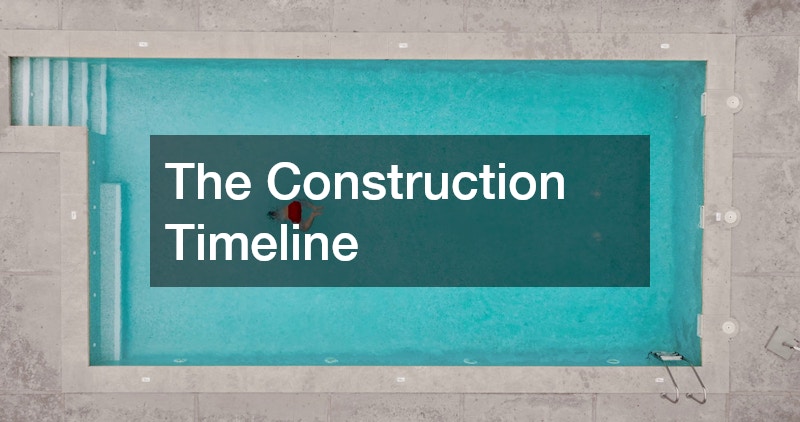
The Construction Timeline

The Construction Timeline

Once the permits are secured and the design is finalized, the physical transformation of the property begins in earnest. This stage is often the most stressful for homeowners as their quiet backyard is temporarily turned into a busy construction site with loud machinery. The process starts with excavation, followed by the installation of the steel rebar cage that provides the necessary structural strength. Next comes the plumbing and electrical work, which must be carefully inspected and pressure-tested before the shell is formed to ensure there are no hidden leaks.
Whether using gunite or shotcrete, the application of the concrete shell is a major milestone that requires a highly skilled crew. After the shell cures, which can take several weeks of regular watering, the tile and coping are installed, followed by the surrounding deck or patio. The final step of a pool installation is the interior finish, such as plaster or pebble surfaces, and the immediate filling of the water. Throughout these weeks, the site may look chaotic, but a professional crew will maintain a clean workspace and ensure that each phase adheres to the highest safety standards, protecting both the workers and the residents.

Considering Compact Alternatives

Not every property is suited for a massive backyard lake, especially in urban environments where lot sizes are increasingly restricted. For those with limited space or a focus on year-round aquatic therapy, a swim spa offers an excellent alternative that combines functionality with a smaller footprint. These units provide a powerful, adjustable current that allows a person to swim in place, effectively turning a small area into an infinite lap pool. They are also much easier to heat and maintain than a traditional full-sized installation, making them a practical and eco-friendly choice for fitness enthusiasts and retirees alike.
Shopping for local swim spas allows a homeowner to test different current systems to find one that matches their specific swimming strength and style. These units are incredibly versatile; they can be installed above ground for quick access, partially recessed into a slope, or fully in-ground with custom decking to match the surrounding landscape perfectly.

Long-term Maintenance and Care

Owning a luxury water feature comes with the ongoing responsibility of regular upkeep to protect the components and the water quality. Water chemistry is the most critical factor in preserving the life of the equipment and the beauty of the interior finish. Homeowners must regularly test for pH, chlorine, and alkalinity levels to ensure the water remains sanitary. One specific challenge in many regions with hard water is the buildup of minerals. To prevent scaling on the tiles and cloudy water, it may be necessary to lower calcium hardness in pool water through specialized chemical treatments or partial draining and refilling of the system.
While many homeowners enjoy the therapeutic routine of skimming and testing their own water, others prefer to hire professionals to handle the technical side. Reliable pool services can take the guesswork out of maintenance, ensuring that the water is always safe and inviting for guests. A professional service technician can spot small leaks, worn gaskets, or equipment malfunctions long before they become expensive disasters. Regular brushing of the walls and cleaning of the filter system will significantly extend the lifespan of the pump and heater, protecting the homeowner’s investment and providing peace of mind during the peak swimming season.

Planning for Future Needs

Planning for Future Needs

A well-designed backyard should be able to evolve along with the family, accommodating different phases of life over several decades. When working with a local pool company, it is wise to consider “future-proofing” the site during the initial dig. This might involve running extra electrical conduits for a future outdoor kitchen, installing gas lines for a fire pit, or ensuring the plumbing can support a heater upgrade or a salt-chlorine generator later on. Planning for these additions during the initial build is significantly cheaper and less disruptive than tearing up a finished patio a few years down the road.

Addressing Repairs and Restoration

Even the most well-built structures will eventually show signs of wear and tear due to constant exposure to the elements and chemicals. Over a decade or two, the interior plaster may stain from minerals, or the tile work might begin to crack as the ground naturally shifts. Engaging in timely pool repair is essential to prevent these minor cosmetic issues from turning into structural damage. Cracks in the shell or leaks in the underground plumbing lines can lead to soil erosion under the deck, which can cause significant shifting and further damage to the surrounding landscape.

The Lasting Value of Custom Design

The journey from a blank backyard to a finished aquatic masterpiece is a complex but immensely rewarding process. A custom pool is far more than just a place to swim; it is a center for family bonding, a vital tool for physical fitness, and a significant boost to a home’s overall market value. By focusing on high-quality materials, smart design, and professional expertise, homeowners can create a space that stands the test of time and becomes a cherished part of their daily lives.
Whether the choice is a sprawling freeform lagoon or a high-tech swim spa, the key to long-term success lies in the details of the planning and the quality of the execution. From managing the chemistry to ensure you do not have to lower calcium hardness in pool water too frequently, to choosing the right partner for ongoing care, every decision contributes to the longevity of the oasis. In the end, the sound of the water and the laughter of friends and family make every hour of planning and construction well worth the effort. A backyard transformed is a life enhanced, providing a private retreat that offers relaxation and rejuvenation just steps from the back door.
Home & Garden

Comprehensive Remodeling Service Checklist From Deck Installation to Interior Upgrades

Remodeling a home is an exciting opportunity to enhance both comfort and value, but it can also be a complex process requiring careful planning and coordination. From exterior improvements like deck installation and residential roofing to interior upgrades such as custom cabinets and bath remodels, each project demands attention to detail and professional expertise. This checklist serves as a comprehensive guide for homeowners undertaking multiple remodeling projects, ensuring nothing is overlooked and that each step flows smoothly.

Planning Your Remodeling Project

Planning Your Remodeling Project

Before any tools are lifted or permits applied for, thorough planning is essential. Homeowners should begin by assessing their needs, prioritizing projects, and establishing a realistic budget. A professional remodeling service can help coordinate multiple aspects of the renovation, preventing costly mistakes and ensuring timelines are met.
Consider the home’s overall style and function. Are outdoor spaces underutilized? Would a modern kitchen layout improve daily living? Identifying these goals early allows contractors, designers, and specialized professionals to work together efficiently. Establishing a clear plan also helps when scheduling appointments with a plumber, painters, or other specialists, as their work often depends on prior steps being completed. In addition, homeowners should consider long-term maintenance and energy efficiency during the planning phase, such as integrating modern HVAC solutions or sustainable materials for deck installation and residential roofing.
Homeowners should also evaluate how their remodeling priorities align with lifestyle changes. A growing family might benefit from a larger kitchen with custom cabinets and an expanded deck for outdoor activities. Aging-in-place considerations, such as accessible bath remodels, can enhance comfort and reduce future costs. Comprehensive planning ensures that each remodeling project not only meets current needs but also anticipates future requirements.

Exterior Upgrades: First Impressions Matter

The exterior of a home sets the tone for its overall appearance and can greatly influence property value. Key projects to consider include deck installation, residential roofing, and gutters.

Deck Installation

A well-designed deck extends living space outdoors, offering a place for relaxation, dining, and entertaining. Deck installation requires careful consideration of materials, size, and orientation to maximize usability and durability. Professional installers can advise on the best wood types, composite materials, and finishing options to withstand local weather conditions while maintaining aesthetic appeal. Additionally, coordinating with painters can help ensure the deck complements the home’s exterior color palette.
Homeowners should also consider accessories and functional enhancements, such as built-in seating, outdoor lighting, or railing options. Thoughtful deck design can blend seamlessly with landscaping, creating an inviting extension of the indoor space. Proper deck installation also reduces maintenance needs over time, preventing issues such as water damage, wood warping, or fading finishes.

Residential Roofing

The roof is one of the most critical components of a home, providing protection from the elements and contributing to energy efficiency. Residential roofing projects can range from minor repairs to full replacements, depending on the age and condition of the structure. Choosing high-quality materials and hiring experienced contractors ensures long-term performance and prevents leaks that could damage interior spaces. A careful inspection before any remodeling work can also identify whether gutters need repair or replacement to maintain proper drainage.
Modern roofing options offer energy efficiency, improved insulation, and increased curb appeal. For example, metal or architectural shingles can provide durability and a modern look while reducing long-term maintenance costs. Coordinating roofing work with other exterior projects, such as painting or deck installation, ensures the home’s exterior looks cohesive and polished.

Gutters

Properly functioning gutters are essential for protecting the home’s foundation and landscaping from water damage. During exterior renovations, homeowners should assess the condition of their gutters and consider upgrades if needed. Seamless gutters or larger downspouts can be installed alongside roofing improvements, ensuring the home remains protected from heavy rainfall and minimizing long-term maintenance.
Gutter design and installation can also contribute to aesthetic appeal. Homeowners may choose color-coordinated gutters or incorporate rain chains and decorative elements that complement other exterior upgrades. Regular maintenance, including cleaning and inspection, ensures that gutters continue to function effectively and prolongs the life of residential roofing and other exterior components.

Interior Remodeling: Enhancing Function and Style

Interior Remodeling: Enhancing Function and Style

Interior renovations can transform daily living, improve energy efficiency, and increase home value. Common projects include kitchen remodeling, bath remodeling, and adding custom cabinets. A remodeling service can help coordinate these tasks with other tradespeople, such as plumbers and painters, to ensure a cohesive outcome.

Kitchen Remodeling Company: The Heart of the Home

Kitchens are often the focal point of a home, blending function with style. Hiring a reputable kitchen remodeling company ensures that layout, appliances, lighting, and storage solutions are optimized for daily use. This may include upgrading countertops, selecting durable flooring, and integrating energy-efficient appliances. Custom cabinets play a pivotal role in kitchen renovations, providing storage that maximizes space while matching the overall design theme.
Beyond aesthetics, modern kitchen remodeling often emphasizes efficiency and ergonomics. Thoughtful placement of appliances, countertop height, and storage solutions can reduce strain during cooking and cleaning. A professional remodeling service can also advise on workflow improvements, such as creating distinct zones for prep, cooking, and cleanup. Energy-saving appliances, LED lighting, and eco-friendly materials further enhance the kitchen’s functionality and long-term value.

Custom Cabinets

Custom cabinets are more than just storage; they serve as a design statement. Tailored to the homeowner’s specific needs, these cabinets can be designed for kitchens, bathrooms, or utility areas. Working with a skilled cabinet maker ensures precise measurements, high-quality materials, and finishes that complement other design elements. Integrating custom cabinets during a remodeling project ensures that storage solutions are practical, stylish, and durable.
Custom cabinetry also allows homeowners to incorporate innovative features, such as pull-out shelving, hidden compartments, and built-in organizers. These additions improve usability, reduce clutter, and contribute to a more organized, efficient home. Properly designed cabinets can elevate both the aesthetic and functional value of the remodeled space.

Bath Remodel

A bath remodel can significantly enhance comfort and aesthetics. Whether updating fixtures, installing a new vanity, or upgrading tile work, professional planning ensures a functional and appealing result. Coordinating with a plumber during this phase is essential to avoid leaks or drainage issues, while painters can provide finishes that create a cohesive and relaxing atmosphere. Even minor bath upgrades can increase the home’s resale value and improve daily routines.
In addition to traditional bath upgrades, homeowners may consider accessibility improvements, such as walk-in showers, grab bars, or adjustable-height vanities. Lighting and ventilation are also critical factors; proper illumination and airflow enhance comfort and reduce moisture-related issues. A thoughtful bath remodel balances style, functionality, and safety.

Essential Services: Professionals You Can’t Overlook

Successful remodeling projects often depend on hiring skilled professionals who bring specialized expertise. Some of the key tradespeople to consider include plumbers, painters, and HVAC technicians.

Plumber

A licensed plumber ensures that all water and drainage systems function efficiently. From installing fixtures in a bath remodel to reconfiguring kitchen layouts, professional plumbing work prevents costly issues and ensures compliance with local building codes. Coordinating with a plumber early in the process helps avoid delays and guarantees that water supply and drainage are properly integrated into the remodeling plan.
Plumbers can also advise on water-efficient fixtures, such as low-flow faucets and toilets, which reduce utility costs and support sustainability goals. Proper planning with a plumber minimizes disruptions and ensures that new installations align with existing systems.

Painters

Painters are vital in achieving the desired aesthetic for both interior and exterior projects. Quality painting enhances finishes, protects surfaces, and ties together various elements of the remodel. When working alongside custom cabinets, bath remodels, or deck installation, painters ensure color schemes are harmonious and durable. They also provide finishing touches that elevate the overall appearance of a completed project.
Professional painters can offer advanced techniques, such as faux finishes or textured coatings, that add depth and sophistication to interior spaces. Exterior painting, including siding and trim, also protects the home from environmental wear, complementing residential roofing and gutter improvements.

Residential HVAC Service

Maintaining a comfortable indoor environment is crucial, especially during extensive renovations. Residential HVAC service ensures that heating, ventilation, and air conditioning systems are properly installed, maintained, or upgraded as needed. Integrating HVAC considerations into the remodeling schedule can prevent disruptions and create a more energy-efficient and comfortable living space.
Upgrading HVAC systems during remodeling projects also presents an opportunity to enhance energy efficiency. Modern systems offer improved airflow, zoning options, and smart thermostat integration, resulting in long-term cost savings and greater comfort.

Coordinating Multiple Remodeling Projects

Coordinating Multiple Remodeling Projects

Managing several remodeling projects simultaneously requires careful scheduling and communication. Working with a comprehensive remodeling service can streamline the process, ensuring each contractor understands timelines and dependencies. For example, deck installation should be completed before exterior painting, while plumbing must be addressed prior to bath remodel finishes. Proper coordination reduces the likelihood of delays, budget overruns, or conflicts between tradespeople.

Setting Priorities

Homeowners should prioritize projects based on urgency, seasonality, and overall impact. Exterior work, such as roofing or gutters, often takes precedence to protect the home from weather-related damage. Interior upgrades, like kitchen and bath remodels, can follow a logical sequence that minimizes disruption to daily life. Communicating these priorities to a remodeling service ensures that work progresses efficiently.

Budget Management

Renovations can become costly if not carefully managed. Detailed estimates, contingency funds, and clear agreements with contractors help maintain financial control. A remodeling service can assist in comparing quotes for deck installation, custom cabinets, and residential roofing, ensuring that quality is not compromised for cost savings. Additionally, incorporating energy-efficient upgrades, such as modern HVAC systems, may provide long-term savings.

Timeline Planning

A realistic timeline is crucial for a successful remodel. Projects often depend on each other, such as coordinating plumbers, painters, and cabinet installers. A remodeling service can help create a schedule that sequences tasks logically, allowing work to progress smoothly without unnecessary waiting periods. This also helps homeowners plan for temporary disruptions, especially in kitchens or bathrooms during renovations.

Maintenance Considerations After Remodeling

Completing remodeling projects is only part of home improvement. Maintaining the work ensures long-term durability and appearance. Regular inspections of residential roofing, gutters, and decks help identify issues early. Kitchen and bath remodels benefit from routine care of custom cabinets, appliances, and plumbing fixtures. Scheduling periodic residential HVAC service maintains indoor comfort and efficiency, extending the system’s lifespan.

Seasonal Maintenance

Different components of a home require attention at different times of the year. Exterior elements, such as decks and gutters, should be checked before winter and after heavy storms. Interior finishes, including painted surfaces and custom cabinets, can be inspected seasonally for wear or damage. Proper maintenance not only preserves aesthetics but also protects the investment made in remodeling.

Professional Follow-Up

Many remodeling services offer follow-up inspections or maintenance packages. These services can address minor issues before they become major problems, providing homeowners with peace of mind. Having professional support readily available ensures that deck installation, residential roofing, bath remodels, and other projects continue to perform optimally over time.

Enhancing Home Value Through Remodeling

Enhancing Home Value Through Remodeling

A thoughtfully executed remodeling project enhances not only a home’s functionality but also its market value. Kitchens and bathrooms are often the most influential in resale considerations, while exterior improvements like decks and roofing contribute to curb appeal. Incorporating energy-efficient systems and high-quality materials further increases desirability. Hiring skilled tradespeople—plumbers, painters, HVAC technicians, and cabinet makers—ensures that renovations meet modern standards and appeal to future buyers.

Combining Projects for Maximum Impact

Coordinating multiple remodeling projects simultaneously can yield significant benefits. For example, pairing a bath remodel with updated custom cabinets and fresh paint creates a cohesive space that feels entirely new. Similarly, deck installation paired with exterior painting and gutter improvements can dramatically enhance a home’s appearance while protecting its structural integrity. A comprehensive remodeling service helps homeowners plan and execute these combinations effectively.

Long-Term Investment

Investing in professional remodeling projects is not just about immediate enjoyment; it is also a long-term financial strategy. Well-maintained kitchens, baths, and exterior spaces reduce future repair costs, increase energy efficiency, and improve property value. By integrating services like residential HVAC service, plumbing, and roofing upgrades, homeowners ensure that every aspect of the home functions harmoniously, providing lasting benefits.

Finish Your Remodel With Confidence

Undertaking a home remodel can be complex, but with careful planning, skilled professionals, and a comprehensive approach, homeowners can achieve remarkable results. From deck installation and residential roofing to bath remodels, custom cabinets, and interior painting, each project contributes to a home’s comfort, style, and value. Engaging a reputable remodeling service simplifies coordination among contractors, ensures adherence to timelines and budgets, and provides expert guidance throughout the process. By following this comprehensive remodeling service checklist, homeowners can transform their spaces efficiently and enjoyably, creating homes that are both functional and beautiful for years to come.
Home & Garden

Modern Home Remodeling: Step-by-Step Guide to Planning Your Dream Home

Key Takeaways:

  • Proper planning prevents costly mistakes and keeps your project on time and on budget.
  • Clearly defining remodeling goals helps prioritize which spaces and features matter most.
  • Setting a realistic budget, including a contingency fund, ensures you can handle unexpected costs.
  • Assessing your home’s structure and systems before starting avoids major issues during construction.
  • A detailed design plan with materials, layouts, and technology choices streamlines the remodeling process.
  • Effective communication with contractors and organized project tracking keeps the remodel running smoothly.
  • Balancing style with functionality and maintaining your renovated spaces enhances both comfort and long-term value.

Modern home remodeling is more than just swapping out a few fixtures or repainting walls. It’s about creating spaces that are functional, stylish, and reflective of your personality. Whether you’re looking to update a single room or embark on a full-scale home transformation, planning is essential. Without proper preparation, projects can easily go over budget, take longer than expected, or result in a design that doesn’t meet your needs. This step-by-step guide will help you organize, plan, and execute your modern home remodeling project with confidence.

Why Planning is Crucial for a Remodel

Jumping into a remodel without a plan can lead to costly mistakes. Many homeowners underestimate the time, effort, and resources needed. Planning allows you to:

  • Set a realistic budget and timeline
  • Identify potential issues before construction begins
  • Ensure your design choices are cohesive
  • Maximize your home’s value

When you take the time to plan, the remodeling process becomes less stressful and more rewarding. Think of it as laying a solid foundation for your dream space before lifting a single wall.

How Do You Define Your Remodeling Goals?

couple discussing home improvement, with paint color swatches on a table

The first step in any remodeling project is understanding what you want to achieve. Ask yourself:

  • Are you remodeling for comfort, style, or resale value?
  • Which rooms or areas need the most attention?
  • Do you want to make energy-efficient upgrades or embrace smart home technology?

Creating a list of priorities will help you focus on what matters most. For example, a family might prioritize a functional kitchen and open-concept living space, while a couple might focus on luxurious bathroom upgrades or creating a home office. Clearly defined goals will guide your design and budgeting decisions.

How to Set a Realistic Budget

Budgeting is one of the most critical aspects of modern home remodeling. Overspending is a common pitfall, so it’s important to:

  • Estimate the cost of materials, labor, and permits
  • Include a contingency fund of 10-20% for unexpected expenses
  • Compare quotes from multiple contractors
  • Decide where you’re willing to splurge and where to save

Tracking your expenses throughout the remodel helps prevent overspending and ensures you can make informed choices about upgrades or design changes. Remember, your budget will shape your design, so it’s better to have a clear financial plan before starting construction.

What Should You Consider About Your Home’s Structure?

Before diving into design ideas, it’s crucial to assess your home’s structure. Ignoring structural limitations can lead to serious problems down the line. Consider these questions:

  • Are your walls load-bearing?
  • Is your foundation solid and free of cracks?
  • Do your electrical and plumbing systems need updates?
  • Is your HVAC system adequate for the spaces you plan to remodel?

Getting a professional assessment can save you from costly surprises later. This is also the perfect time to schedule roof inspections, plumbing checks, or electrical updates. Addressing these issues early ensures your remodel starts on a strong and safe foundation.

How to Create a Design Plan

A design plan serves as a blueprint for your remodel. It helps visualize the finished space and makes communication with contractors easier. Steps to create a design plan include:

  1. Gather Inspiration: Look at magazines, online platforms, and showrooms to see styles and layouts you like.
  2. Sketch Layouts: Even rough sketches can help you experiment with furniture placement and room flow.
  3. Select Materials: Decide on flooring, countertops, cabinetry, and paint colors. Modern remodels often favor clean lines, neutral tones, and mixed textures.
  4. Incorporate Technology: Consider adding smart lighting, automated shades, or home security upgrades.

A clear design plan ensures everyone involved in your remodel understands your vision and reduces the risk of costly changes during construction.

Should You Hire Professionals or DIY?

Deciding between hiring professionals or tackling parts of the remodel yourself depends on your skill level, budget, and time. Consider:

  • Contractors: Essential for structural work, plumbing, electrical, or HVAC. They bring expertise and efficiency.
  • Interior Designers: Helpful if you want cohesive aesthetics and professional guidance on color schemes, furniture, and materials.
  • DIY Projects: Great for painting, minor cabinetry updates, or simple decorative changes.

A balanced approach often works best: hire professionals for critical tasks and handle smaller updates yourself. Keep in mind, the key is knowing your limits to prevent mistakes that could delay the project or increase costs.

What Permits Will You Need?

Many remodeling projects require permits, especially for structural changes, electrical work, plumbing, or additions. Failing to obtain permits can result in fines and issues when selling your home. To avoid problems:

  • Contact your local building department to understand requirements
  • Ensure contractors pull permits if necessary
  • Keep documentation for future reference

This step may seem bureaucratic, but it ensures your remodel meets safety standards and is legally compliant.

How to Plan Your Timeline

A realistic timeline is essential for a smooth remodel. Consider the following:

  • Break the project into phases (demolition, construction, finishing touches)
  • Set deadlines for each phase
  • Account for potential delays, like weather, supply chain issues, or contractor schedules

A well-planned timeline keeps the project organized and helps you manage expectations. Be flexible, but having a clear schedule prevents frustration and keeps momentum going.

How to Choose the Right Materials

Material selection impacts both the look and functionality of your remodel. When choosing materials, think about:

  • Durability and maintenance
  • Color and texture that match your design plan
  • Cost and availability
  • Environmental impact

Modern home remodeling often favors materials like engineered wood, quartz countertops, large-format tiles, and energy-efficient windows. Balancing aesthetics with practicality ensures your remodel remains stylish for years to come.

How to Organize Your Living Space During Construction

two contractors working on a modern home remodeling project

Living in your home during a remodel can be challenging. Consider strategies to minimize disruption:

  • Set up temporary kitchens or bathrooms if key spaces are being renovated
  • Use dust barriers to protect other areas
  • Store valuables and fragile items safely
  • Schedule noisy or messy work during the day

Planning how you live during construction makes the experience more manageable and reduces stress for your family.

How Do You Communicate Effectively With Contractors?

Clear communication with your contractors is crucial for a successful remodel. Tips include:

  • Keep a written record of all agreements and changes
  • Schedule regular check-ins to review progress
  • Clarify expectations for quality, timelines, and budget
  • Ask questions if something is unclear

Good communication prevents misunderstandings and ensures your project stays on track. Remember, you’re a team with a shared goal: transforming your home.

How to Handle Unexpected Challenges

Even the best plans can encounter surprises. Common issues include:

  • Hidden structural damage
  • Delays in material delivery
  • Changes in design preferences

When problems arise, stay calm and adapt. Having a contingency budget and flexible timeline helps you navigate these challenges without derailing the entire project.

How to Prepare Before You Start a Remodel

Proper preparation is key to a successful home remodeling project. There are several steps to take before starting a home remodel that can save you time, money, and stress down the line:

  • Inspect and address any structural or system issues, including plumbing, electrical, and HVAC.
  • Gather inspiration and create a clear design plan that aligns with your goals.
  • Set your budget and allocate a contingency fund for unexpected expenses.
  • Decide on professional help versus DIY for different aspects of the project.
  • Obtain permits and approvals if required by your local building department.
  • Organize your living space and protect your belongings to minimize disruption.

Completing these steps upfront ensures your remodeling process is organized, efficient, and more enjoyable from start to finish.

How to Integrate Functionality With Style

Modern home remodeling is about balancing aesthetics with practicality. Consider:

  • Open layouts for better flow and natural light
  • Multipurpose furniture for small spaces
  • Ample storage solutions that blend with the design
  • Energy-efficient appliances and fixtures

This approach ensures your home is not only beautiful but also livable, practical, and tailored to your lifestyle.

How to Add Value With Your Remodel

Remodeling is an investment. To maximize value:

  • Focus on high-impact areas like kitchens and bathrooms
  • Choose neutral, timeless finishes that appeal to buyers
  • Incorporate energy-saving upgrades
  • Improve curb appeal with landscaping or exterior updates

A well-planned remodel not only enhances your daily life but also increases the resale value of your home.

How to Track Progress and Stay Organized

Keeping track of your project helps prevent mistakes and missed deadlines. Effective strategies include:

  • Using project management apps or spreadsheets
  • Maintaining a photo log of progress
  • Keeping all invoices and receipts in one place
  • Scheduling regular walkthroughs with your contractor

Organization ensures you remain in control and can quickly address any issues that arise.

How Long Should a Modern Remodel Take?

The duration depends on the scope of your project. Small updates may take a few weeks, while major renovations can last several months. Consider:

  • Size of the project
  • Availability of contractors and materials
  • Complexity of structural changes
  • Contingency for unexpected issues

Setting realistic expectations helps reduce stress and keeps your remodeling experience positive.

How to Celebrate and Maintain Your Renovated Space

Once your remodel is complete, it’s time to enjoy your new home. To maintain it:

  • Schedule regular maintenance checks
  • Keep up with essential home upkeep services like HVAC, plumbing, and roof inspections
  • Clean and care for new materials to prolong their lifespan
  • Periodically review storage and furniture layouts to ensure functionality

A remodeled home is a long-term investment. Regular care ensures it stays beautiful and efficient for years to come.

Final Thoughts

Planning a modern home remodeling project doesn’t have to be overwhelming. By defining your goals, budgeting carefully, assessing your home, and organizing the process step by step, you can achieve a space that is functional, stylish, and tailored to your lifestyle. Taking the time to plan and communicate with professionals—and knowing when to DIY—makes all the difference in achieving your dream home without unnecessary stress or expense.

Home & Garden

Key Remodeling Steps That Help Prevent Costly Mistakes

Remodeling your home can be an exciting but overwhelming process. From choosing the right builders supply to finding reputable local plumbers, there are many factors to consider. In this guide, we will explore the various aspects of the remodeling process, including roofing service, residential roofing, septic services, septic pumping service, foundation repair, gutter installation, and garage door installations. Whether you’re looking to update your home’s look or fix existing issues, this article will provide you with valuable information to help you navigate the remodeling process.

Buy Builder Goods

When embarking on a remodeling project, it’s crucial to select high-quality builders supply to ensure the longevity of your renovations. From lumber and hardware to fixtures and finishes, every material plays a role in the final outcome of your project. By choosing the right builders supply, you can enhance the aesthetic appeal and functionality of your space.

Additionally, working with a reputable supplier can streamline the remodeling process by providing expert guidance and timely delivery of materials. This partnership can save you time and money while ensuring that your project stays on track. Don’t underestimate the importance of choosing the right builders supply for your remodeling project.

Whether you’re tackling a small renovation or a complete home makeover, investing in high-quality builders supply is essential. By prioritizing durability, efficiency, and design, you can create a space that reflects your style and meets your needs. Take the time to research suppliers and select products that align with your vision for your home.

Schedule Roofing

One of the most critical aspects of any remodeling project is the roofing service. Your roof not only protects your home from the elements but also plays a significant role in its overall appearance. Whether you’re in need of repairs or a complete replacement, working with a trusted roofing service is essential for a successful remodel.

During the remodeling process, your roofing service will assess the condition of your roof and recommend the best course of action. This may include repairing damaged shingles, reinforcing weak spots, or installing a new roof altogether. By prioritizing the health of your roof, you can safeguard your home against leaks, water damage, and other structural issues.

Don’t overlook the importance of proper roofing service in your remodeling project. By investing in a reputable contractor and high-quality materials, you can ensure that your roof functions optimally and enhances the overall value of your home. Trust in the expertise of professionals to deliver lasting results that you can enjoy for years to come.

Hire Roof Experts

When it comes to residential roofing, there are a variety of options to consider for your remodeling project. Whether you prefer traditional asphalt shingles, eco-friendly metal roofing, or timeless clay tiles, the choice of material can significantly impact the appearance and performance of your roof. Take the time to explore different residential roofing options to find the best fit for your home.

In addition to selecting the right material, you’ll also need to consider the color, style, and durability of your residential roofing. These factors can influence the overall aesthetic of your home and enhance its curb appeal. Working with a knowledgeable roofing contractor can help you make informed decisions that align with your budget and vision for your project.

Investing in high-quality residential roofing is a wise decision for any homeowner. Not only does it provide protection against the elements, but it also enhances the energy efficiency and value of your home. Whether you’re remodeling for personal enjoyment or preparing to sell, a well-maintained roof can make a significant difference in the overall appeal and marketability of your property.

Plan Septic Work

For homeowners with septic systems, septic services are an essential part of the remodeling process. Regular maintenance and inspections can help prevent costly repairs and ensure that your system functions properly for years to come. Whether you need septic pumping service, repairs, or an entirely new installation, working with experienced professionals is crucial for a successful remodel.

During the remodeling process, septic services play a vital role in ensuring that your system remains in good condition. By scheduling routine inspections and addressing any issues promptly, you can avoid disruptive and expensive repairs down the line. Trusting in the expertise of septic professionals can help you maintain a healthy and efficient septic system for your home.

Don’t wait until a problem arises to seek out septic services for your remodeling project. By proactively maintaining your septic system, you can extend its lifespan and minimize the risk of malfunctions. Whether you’re in need of routine maintenance or emergency repairs, prioritize the health of your septic system to safeguard your home and family.

Pump Septic Tanks

Septic pumping service is a crucial aspect of maintaining a healthy and efficient septic system. Regular pumping helps remove built-up sludge and debris from your tank, preventing clogs and backups that can lead to costly repairs. By scheduling routine septic pumping service, you can ensure that your system functions properly and avoid potential issues during your remodeling project.

During the pumping process, experienced technicians will thoroughly clean your septic tank and inspect its components for signs of wear or damage. This proactive approach can identify potential problems early on and prevent more significant issues from occurring. By investing in septic pumping service, you can protect your home’s plumbing system and ensure that your septic system operates smoothly.

Don’t neglect the importance of septic pumping service in your remodeling project. By maintaining a regular pumping schedule and adhering to recommended guidelines, you can prolong the life of your septic system and avoid costly repairs. Trust in the expertise of septic professionals to keep your system in optimal condition and support the success of your remodel.

Call Local Plumbers

When it comes to remodeling your home, having reliable local plumbers on hand is essential. From installing new fixtures to repairing leaks and clogs, plumbing plays a significant role in the functionality and comfort of your space. By partnering with experienced plumbers, you can ensure that your remodeling project proceeds smoothly and efficiently.

Local plumbers are well-versed in a variety of services, including pipe installation, faucet repair, drain cleaning, and water heater maintenance. Their expertise and attention to detail can save you time and money by preventing costly mistakes and ensuring that your plumbing system operates optimally. Whether you’re planning a kitchen renovation or a bathroom remodeling, trust in the skills of local plumbers to deliver exceptional results.

Investing in quality plumbing services is a wise decision for any homeowner. By partnering with reputable local plumbers, you can address plumbing issues promptly and effectively, ensuring the long-term health of your system. Don’t overlook the importance of plumbing in your remodeling project – prioritize professional services to achieve the best possible outcomes for your home.

Repair Foundation

Foundation repair is a critical component of any remodeling project, as it ensures the structural integrity and stability of your home. From addressing cracks and settling to reinforcing weak areas, foundation repair can prevent further damage and protect your property from costly repairs. By investing in professional foundation repair services, you can ensure that your home remains safe and secure for years to come.

During the remodeling process, experienced contractors will assess the condition of your foundation and recommend the best course of action for repair. This may include underpinning, concrete leveling, or waterproofing, depending on the specific needs of your home. By addressing foundation issues early on, you can avoid more extensive and expensive repairs in the future.

Don’t wait until foundation problems escalate to seek out repair services for your home. By prioritizing the health of your foundation and addressing issues promptly, you can maintain the structural integrity of your home and protect its value. Trust in the expertise of foundation repair professionals to deliver lasting solutions and ensure the success of your remodeling project.

Install Gutters

Gutter installation is a crucial aspect of any remodeling project, as it helps protect your home from water damage and foundation issues. By directing rainwater away from your property, gutters prevent flooding, erosion, and mold growth that can compromise the structural integrity of your home. When selecting gutters for your remodeling project, consider factors such as material, style, and durability to ensure optimal performance.

During the installation process, experienced contractors will assess your home’s layout and recommend the best gutter system for your needs. This may include seamless aluminum gutters, copper gutters, or vinyl gutters, depending on your budget and design preferences. By investing in high-quality gutter installation, you can safeguard your home against water-related damage and maintain its curb appeal.

Don’t overlook the importance of proper gutter installation in your remodeling project. By working with skilled contractors and choosing the right gutter system, you can protect your home’s foundation, siding, and landscaping from water infiltration. Trust in the expertise of professionals to deliver durable and efficient gutters that enhance the overall function and appearance of your home.

Add Garage Doors

Garage door installations are a valuable addition to any remodeling project, as they enhance the security, convenience, and curb appeal of your home. Whether you’re replacing an old door or upgrading to a modern design, garage door installations can significantly impact the aesthetic and functionality of your property. By investing in a quality garage door, you can improve the overall value and efficiency of your home.

During the installation process, experienced technicians will assess your garage’s dimensions and recommend the best door style for your needs. This may include traditional steel doors, carriage house doors, or custom wood doors, depending on your preferences and budget. By choosing a garage door that complements your home’s architecture and style, you can create a cohesive and visually appealing exterior.

Don’t underestimate the impact of garage door installations on your remodeling project. By prioritizing security, energy efficiency, and aesthetics, you can transform your garage into a functional and stylish space. Trust in the expertise of garage door professionals to deliver durable and high-performance doors that enhance the overall value and appeal of your home.

Install Septic Systems

Septic installations are a significant undertaking in any remodeling project, as they require careful planning, excavation, and installation to ensure long-term functionality. Whether you’re building a new home or upgrading an existing septic system, septic installations play a crucial role in the efficiency and health of your property. By working with experienced septic professionals, you can navigate the installation process with confidence and achieve lasting results.

During the installation process, contractors will assess your property’s soil composition, water table, and building codes to design a septic system that meets your specific needs. This may include selecting the right tank size, drainfield layout, and distribution system to accommodate your household’s water usage. By investing in a properly designed septic installation, you can avoid contamination, backups, and other issues that can impact your property’s value.

Don’t overlook the importance of professional septic installations in your remodeling project. By partnering with knowledgeable contractors and adhering to industry standards, you can ensure the long-term functionality and compliance of your septic system. Trust in the expertise of septic professionals to deliver reliable and efficient installations that support the success of your remodel.

Final Thoughts

A successful remodeling project depends on careful planning and attention to essential details. Before construction begins, homeowners should evaluate their property’s structural integrity, addressing any foundation repair or roofing service needs early. Coordinating with local plumbers and scheduling septic installations or septic pumping service ensures proper functionality behind the scenes. Exterior features like gutter installation and garage door installations also play a vital role in long-term protection and curb appeal. Finally, sourcing materials from a trusted builder’s supply keeps quality consistent throughout the process, helping homeowners achieve a durable, efficient, and visually appealing remodel.

The remodeling process involves a variety of essential services, including builders supply, roofing service, residential roofing, septic services, septic pumping service, local plumbers, foundation repair, gutter installation, garage door installations, and septic installations. By prioritizing quality materials and professional services, you can enhance the functionality, durability, and appeal of your home. Whether you’re updating a single room or renovating your entire property, investing in expert guidance and reliable contractors is key to achieving successful outcomes. Take the time to research and plan your remodeling project carefully, and don’t hesitate to seek out experienced professionals to support your vision for a beautiful and functional home.