


Every homeowner faces the same question eventually: is this problem a quick patch job, or a sign of something bigger? Small repairs can mask issues that keep growing underneath the surface, costing more time and money the longer they’re ignored. This article walks through the most common warning signs that your property needs a deeper fix rather than a temporary one, so you can plan ahead instead of reacting to an emergency. By the end, you’ll have a clearer sense of which problems call for a professional evaluation this year.
Aging Roof Showing Multiple Signs of Wear
A few missing shingles after a storm is usually a minor repair, but a roof with curling edges, granule loss, and soft spots in several areas is telling you something different. When damage shows up in multiple places at once, patching one section often just shifts the problem elsewhere. At that point, a full roof replacement tends to be more cost-effective than repeated repairs that only buy a few months of relief.
Getting a second opinion matters here, since estimates and recommendations can vary widely. Reputable roofing companies will walk you through the actual condition of your decking, flashing, and ventilation, not just the shingles on top. Ask for photos of problem areas so you understand exactly what you’re paying to fix.
- Shingles that are curling, cracking, or missing granules in multiple spots
- Daylight visible through the attic boards
- Water stains spreading across ceilings after rain
- A roof older than 20 years with no recent major repairs
Foundation Cracks That Keep Returning
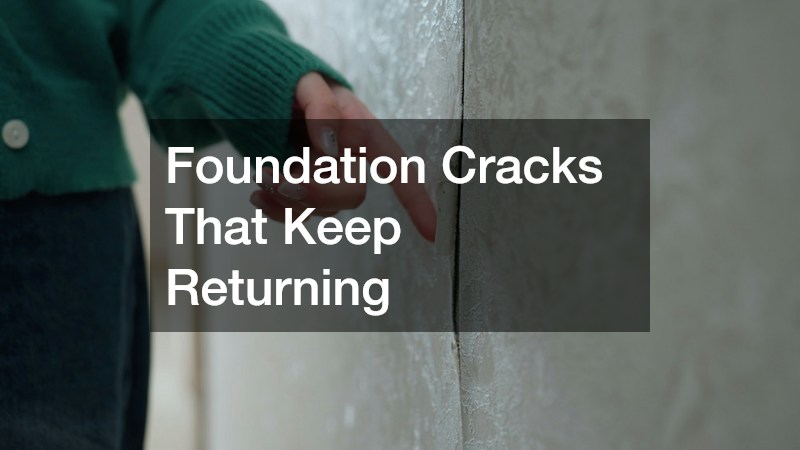
Hairline cracks in a foundation are common and often harmless, especially vertical ones under 1/8 inch wide that stay the same size year after year. But cracks that widen, reappear after patching, or run diagonally across a wall are a different story. So are horizontal cracks, which can signal serious pressure from soil or water pushing against the foundation wall. These patterns usually point to shifting soil, drainage problems, or settling that a surface patch won’t solve.
A crack that returns within months of repair means the underlying movement is still happening, and cosmetic fillers will only mask the symptom temporarily. Watch for clusters of small cracks near windows and doors too, since they often indicate the foundation is flexing under uneven support. Other clues worth checking alongside the cracks include gaps between the wall and ceiling, a foundation that bows inward, or efflorescence — the white, chalky mineral deposits left behind by water seeping through concrete.
Any of these suggest the problem extends beyond what a tube of caulk or a bag of hydraulic cement can fix. Ignoring them can lead to doors that stick, uneven floors, and eventually much costlier structural repairs, sometimes running into tens of thousands of dollars if the foundation requires piering or wall reinforcement. A structural engineer’s assessment, typically a few hundred dollars, is far cheaper than guessing wrong.
Patching a crack and watching it reopen within months is a strong sign the problem isn’t the crack itself but what’s happening beneath the foundation. Hairline cracks that stay the same size are usually cosmetic, but cracks wider than a quarter inch, or ones that run diagonally, step through brick or block, or appear alongside sticking doors and uneven floors, point to actual structural movement. If you notice this kind of movement, it’s worth having a structural engineer or foundation specialist assess the cause before doing any cosmetic work. They’ll typically check for soil issues, poor drainage, tree roots pulling moisture from the soil, or settling due to inconsistent compaction when the home was built.
A proper inspection usually costs a few hundred dollars but can save you from pouring thousands into repairs that don’t address the real cause. Fixing the drainage or grading around your home often has to happen first. This might mean redirecting downspouts, regrading soil so it slopes away from the foundation, or installing a French drain to pull water away from the footing. Skipping this step is the most common reason foundation repairs fail. Otherwise, any repair you make will likely fail again within a year or two, and each cycle of patching and recracking tends to make the underlying damage worse and more expensive to fix.
HVAC System Breaking Down Repeatedly
An air conditioner that needs a repair once in a while is normal, especially in older units. But if you’re calling for air conditioning repair multiple times in a single season, the unit is likely signaling that it’s near the end of its usable life. Constant repairs add up quickly and rarely fix the root issue for good.
A unit over 12 to 15 years old that struggles to keep up with demand is usually not worth continuing to patch. Energy bills that keep climbing despite regular maintenance are another clue that the system is working harder than it should. Replacing an inefficient system often pays for itself over time through lower monthly costs.
- Frequent breakdowns during peak summer or winter months
- Rising energy bills despite the same usage habits
- Inconsistent temperatures between rooms
- Loud or unusual noises coming from the unit
Deck or Patio Structure Past Reasonable Repair
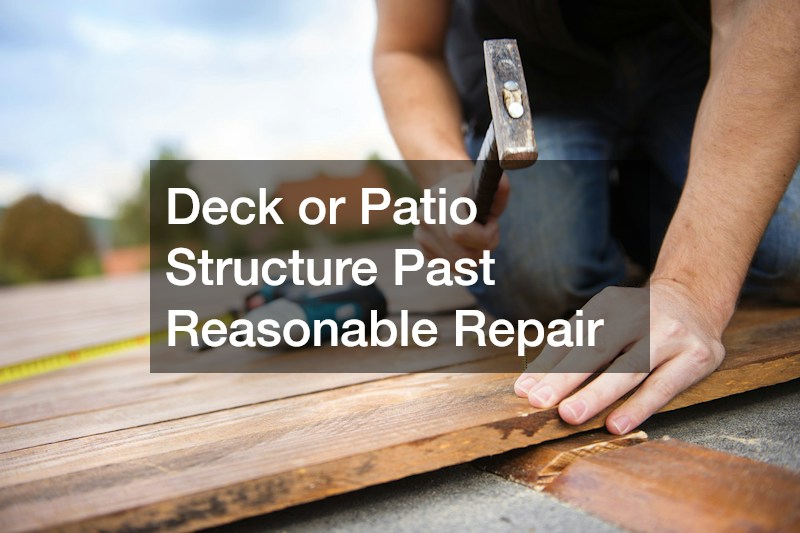
A wobbly railing or a couple of loose boards can often be fixed in an afternoon. But when the support posts are rotting, the ledger board is pulling away from the house, or multiple boards are warped and splitting, you’re looking at a structural issue rather than a cosmetic one. Continuing to patch an aging deck can actually be a safety risk for anyone using it.
If you’re already planning repairs, it’s worth considering a custom deck build instead of another round of patchwork, especially if the layout no longer fits how you use your outdoor space. Many homeowners are also moving toward composite metal decking for its resistance to rot, pests, and weather damage compared to traditional wood. It costs more upfront but tends to reduce long-term maintenance significantly.
Fencing and Gates Showing Structural Failure
A fence that leans slightly or a gate that sticks occasionally is a minor annoyance. A fence with rotted posts, rusted hardware, or sections that have completely separated from the ground is a sign the whole structure may need rebuilding. This is especially important if the fence is meant to keep pets contained or secure a pool area.
Before replacing an entire gate assembly, check whether the hinges, latches, and frame are still sound, since sourcing quality gate supplies can sometimes extend the life of an otherwise solid structure. If the posts themselves are compromised, though, no amount of new hardware will fix the underlying problem. A professional assessment can help you decide whether repair or full replacement makes more sense.
- Posts that wobble or feel soft when pushed
- Rust or corrosion on hinges and latches
- Visible gaps or leaning sections along the fence line
- A gate that no longer closes or latches securely
Driveway and Walkway Damage Beyond Surface Cracks

Small surface cracks in concrete or asphalt are often just cosmetic and can be sealed fairly easily. But cracks that run deep, shift when you step on them, or come with noticeable sinking in certain areas usually mean the base underneath has failed. Resurfacing over a bad base is a short-term fix that tends to fail again quickly.
Large-scale driveway or walkway repairs often require grading, excavation, or removal of the old surface entirely, which is where heavy equipment rental becomes relevant for homeowners tackling the project themselves. Renting equipment like a mini excavator or skid steer can make quick work of a job that would otherwise take days by hand. Just be sure you understand the safe operation of any machinery before taking it on.
Major Renovation or Addition Projects
Sometimes the signs point not to a single failing system but to a home that has simply outgrown its current layout or condition. A roof nearing the end of its life, an HVAC system struggling to keep up, and outdated electrical wiring showing up in the same inspection isn’t a coincidence — it’s often a sign that the house as a whole is reaching a turning point. When three or more major components need attention within the same year or two, the cost of repeated repairs can quickly approach what you’d spend on a more comprehensive renovation.
Layout problems are another strong indicator. A kitchen that can’t accommodate more than one cook, bedrooms that no longer fit a growing family, or a single bathroom serving five people are structural limitations that no amount of patching or repainting will solve. If you find yourself fantasizing about knocking down a wall, adding a second story, or finally building that in-law suite, it’s worth taking the idea seriously rather than dismissing it as a someday project.
It’s also worth considering how your needs have changed since you bought the home. Remote work may call for a dedicated office, aging parents might need a ground-floor bedroom, or a growing family may require more storage and living space than the original floor plan allows. These shifts are rarely solved with a quick fix.
This is often the point where working with experienced home builders makes more sense than piecing together fixes one at a time. A qualified team can assess whether your foundation, framing, and systems can support an addition, help you plan a layout that solves multiple problems at once, and give you a realistic budget and timeline before you commit. Approaching the project holistically, rather than room by room, often saves money and disruption in the long run.
A larger renovation also gives you the chance to address several problems in one coordinated project instead of tackling them separately over several years. Bundling a roof replacement, electrical upgrade, and layout change into a single project often saves 10-20% compared to doing each as a standalone job, since contractors are already on-site and permits often cover multiple scopes of work. You also avoid paying for mobilization, equipment rental, and inspection fees multiple times over.
Timing matters too. If your roof, HVAC system, and plumbing are all approaching the end of their expected lifespans within a few years of each other, it rarely makes sense to replace them one at a time. Coordinating the work means less disruption to your daily routine overall, even though any single project will take longer to complete.
It’s worth getting a few consultations to understand whether a renovation or a full rebuild fits your goals and budget better. Ask each contractor for a rough cost-per-square-foot comparison between remodeling and rebuilding, since that single number often clarifies the decision quickly. Also factor in less obvious costs like temporary housing, storage for belongings, and potential increases in property taxes once the work is finished.
Debris and Waste Management During Larger Projects
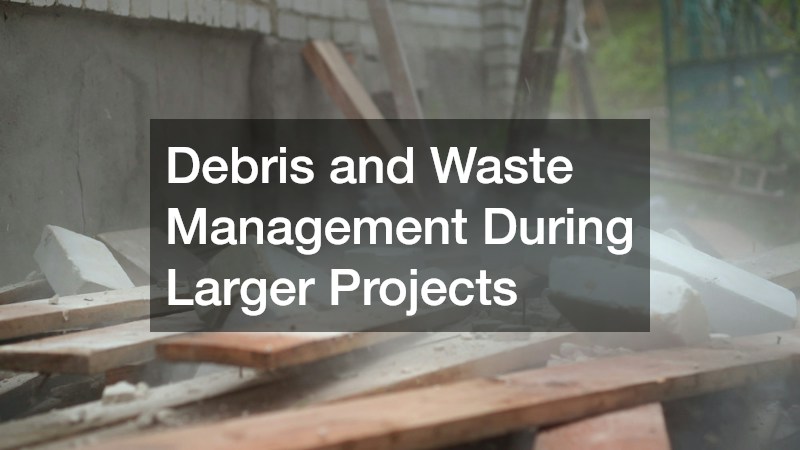
Once you move from small repairs to a larger renovation, waste management becomes a real logistical issue. Old shingles, broken concrete, rotted decking, and general construction debris pile up fast, and most municipal trash services won’t take it. Opting for a dumpster rental for the duration of the project keeps your site safer and your cleanup far more organized.
Choosing the right size matters more than people expect, since an undersized dumpster means extra trips and added cost. Most residential renovation projects do well with a 15 to 20 yard container, while larger teardown or addition projects may need something bigger.
- Roofing debris and old shingles
- Broken concrete, brick, or masonry
- Old decking, fencing, or lumber
- General construction waste and packaging
Finding and Vetting the Right Contractors
Once you’ve identified that a problem needs more than a surface fix, choosing the right professional matters as much as the fix itself. Licensed, insured contractors with verifiable reviews and local references are worth the extra research time upfront. This is especially true for larger jobs like roof work, where the quality of installation affects how long the repair actually lasts.
Experienced roofers should be willing to provide a written estimate, a clear timeline, and documentation of their licensing and insurance before any work begins. Don’t hesitate to ask for photos of past projects similar to yours, and check whether warranties cover both materials and labor. Taking the time to vet a few options before committing can prevent a lot of frustration down the road.
- Verify licensing and insurance before signing any contract
- Ask for local references and recent project photos
- Get written estimates from at least three providers
- Confirm what the warranty covers and for how long
Conclusion
Recognizing the difference between a quick fix and a problem that needs real attention can save you significant money and stress over time. If you’ve noticed several of these warning signs around your property, it’s worth scheduling a professional evaluation before the issue grows larger or more expensive. Start with the systems showing the most obvious wear, gather a few estimates, and make a plan that fits your budget and timeline. Taking action this year, rather than pushing the decision down the road, is often what protects both your home’s value and your peace of mind.